Why it works: Pepper and lemon match in chemistry and in kitchens. They rank in the top 3% of all ingredient pairs, and cooks put them together in 27,047 recipes. Both carry trans-2-nonenal, which smells cardboard, fatty. The science ↓
French Oyster Pie
Ingredients
Directions
The book gives no oven temperature. The 400°F (200°C) in the steps was added when the recipe was transcribed, as a starting point.
Prepare the crust
Preheat the oven to 400°F (200°C).
Butter the inside of a deep dish.
Line the deep dish with thick puff pastry.
Prepare another sheet of pastry for the lid.
Bake the lined dish in the oven until well cooked.
Make the filling
In a separate pan, cook the oysters with just enough of their liquor to prevent burning.
Season the oysters with whole pepper, blades of mace, grated nutmeg, lemon rind, and minced celery.
Add ½ cup of butter to the oysters.
Let the oysters simmer without boiling.
Beat the yolks of 3 eggs. Stir the beaten yolks into the oysters a few minutes before removing from heat.
Assemble and serve
Pour the oyster mixture into the pastry-lined dish.
Cover the dish with the lid.
Serve warm or cold.
Transcribed from a scanned cookbook and modernised for today's kitchens. Where the book gave no heat or time, or said "a moderate oven", the temperatures and times here may be modern equivalents rather than the book's own figures.
Explore the science
The flavor team
The pairs that carry this dish. Each one is judged two ways: how much their aromas overlap, and how often cooks already put them together.
-
Pepper + lemontop 3% of all pairsSmell alikestrongCooked together27,047 recipes
Shared aroma: trans-2-nonenal (cardboard, fatty).
-
Lemon + celerytop 3% of all pairsSmell alikestrongCooked together3,467 recipes
Shared aroma: beta-phellandrene (minty, terpene).
-
Mace + nutmegtop 4% of all pairsSmell alikemoderateCooked together6,557 recipes
Shared aroma: myristicin (spice, warm).
-
Pepper + celerytop 5% of all pairsSmell alikestrongCooked together16,012 recipes
Shared aroma: 4'-methylacetophenone (bitter almond).
-
Nutmeg + lemontop 5% of all pairsSmell alikestrongCooked together11,318 recipes
Shared aroma: beta-phellandrene (minty, terpene).
Ranks compare each pair with 20,000 random ingredient pairs on CompKitchen. How we score pairs
What each ingredient does
- Oysters
- Form the main body of the filling and supply the dish's characteristic briny flavour.
- Puff pastry
- Forms a flaky, crisp structure that holds and encloses the filling.
- Butter
- Adds richness and a silky texture to the oyster filling.
- Egg yolks
- Enrich and thicken the filling gently as they warm, giving it a smooth body.
The step that matters
Stirring in the egg yolks. Yolks thicken when warmed but scramble if the mixture boils. Stir them in off the heat or just before removing the pan, and keep the filling simmering, never boiling.
Swap the mace
How well each one fits the dish's main ingredients (butter, oyster, pepper, nutmeg, lemon, celery, flour):
- Parsleyfits better
- Marjoramfits better
- Thymefits better
- Macethe original
Fit is the average pairing score against butter, oyster, pepper, nutmeg, lemon, celery, flour. Candidates are from the same food group and used in at least 100 recipes.
“What each ingredient does” and “The step that matters” were written by Claude from this recipe’s own method and reviewed in samples by CompKitchen.
You might also like
 Lemon Sauce236 recipes
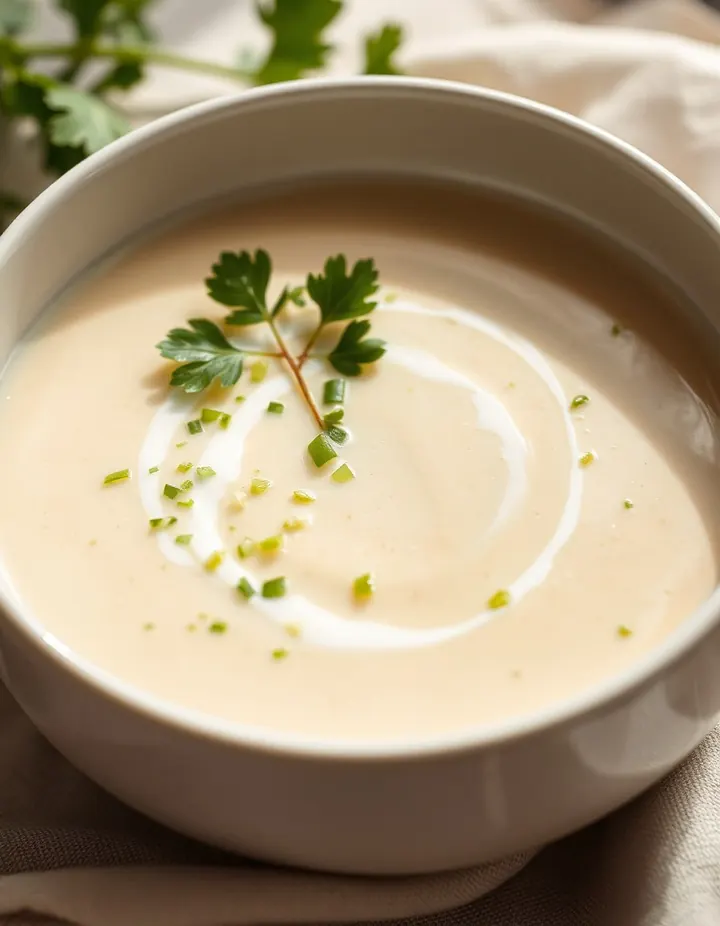 Cream of Celery Soup113 recipes
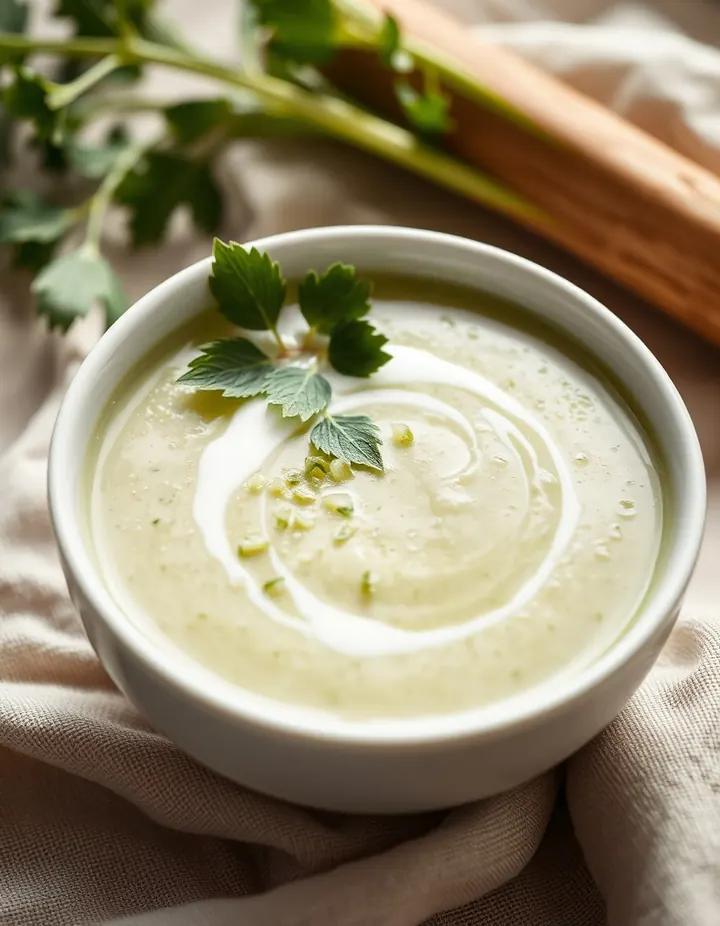 Celery Stew25 recipes
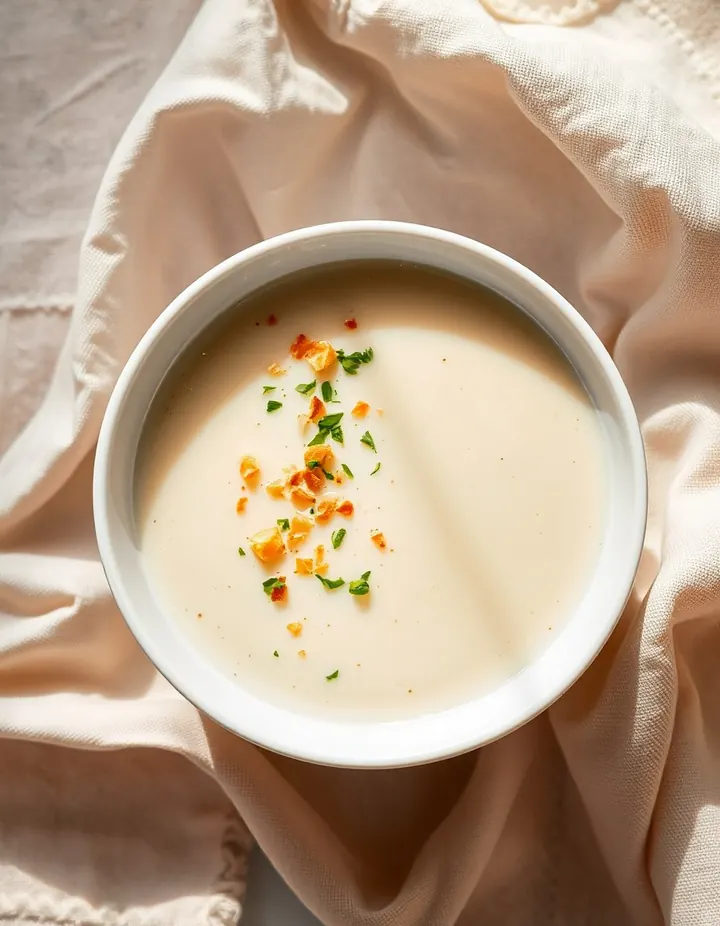 Mock Oyster Soup21 recipes
The free Flavor Lab newsletter: one surprising pairing a week and the molecular reason it works, in 60 seconds. No spam, unsubscribe anytime.
Prefer an account? Create a free account to save pairings and unlock the full chemistry.