Why it works: Potato and pumpkin work together. They rank in the top 12% of all ingredient pairs, and cooks put them together in 439 recipes. Both carry 2-acetyl-1-pyrroline, which smells popcorn, roasted. The science ↓
Potato Pumpkin
Ingredients
Directions
The book says “a moderate oven”. The 350°F (175°C) in the steps is the modern equivalent, not the book's own figure.
Prepare
Cut a piece off the top of the potato pumpkin and remove all the seeds.
Wash and wipe the cavity, then pare off the rind.
Stuff and bake
Fill the hollow with good forcemeat and put the top back on.
Place the pumpkin in a deep pan to protect the sides.
Bake in a moderate oven at 350°F (175°C) until cooked through.
Carefully transfer to a dish without breaking it.
Transcribed from a scanned cookbook and modernised for today's kitchens. Where the book gave no heat or time, or said "a moderate oven", the temperatures and times here may be modern equivalents rather than the book's own figures.
Explore the science
The flavor team
The pairs that carry this dish. Each one is judged two ways: how much their aromas overlap, and how often cooks already put them together.
-
Potato + pumpkintop 12% of all pairsSmell alikemoderateCooked together439 recipes
Shared aroma: 2-acetyl-1-pyrroline (popcorn, roasted).
Ranks compare each pair with 20,000 random ingredient pairs on CompKitchen. How we score pairs
What each ingredient does
- Potato pumpkin
- Serves as the edible vessel that holds the forcemeat and cooks into soft, tender flesh.
- Forcemeat
- Fills the hollow, adding savoury flavour and moisture as it cooks inside the pumpkin.
The step that matters
Transfer to a dish without breaking it. The cooked pumpkin flesh softens considerably, so it can split or collapse when moved. Supporting it carefully and letting it rest briefly helps it hold its shape.
“What each ingredient does” and “The step that matters” were written by Claude from this recipe’s own method and reviewed in samples by CompKitchen.
You might also like
 Potato Croquettes255 recipes
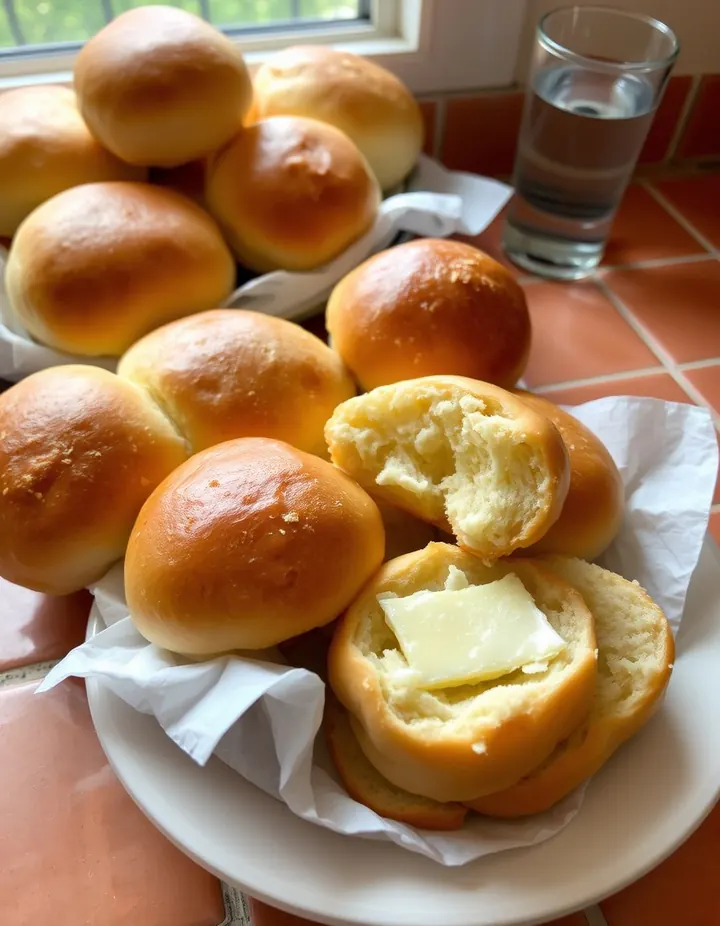 Potato Rolls78 recipes
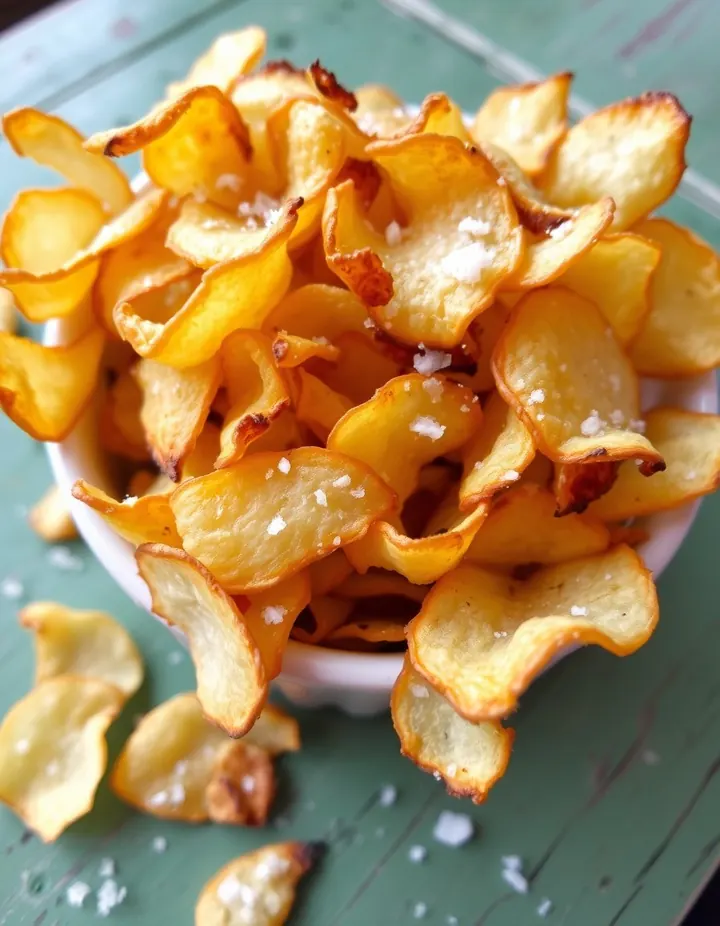 Potato Chips53 recipes
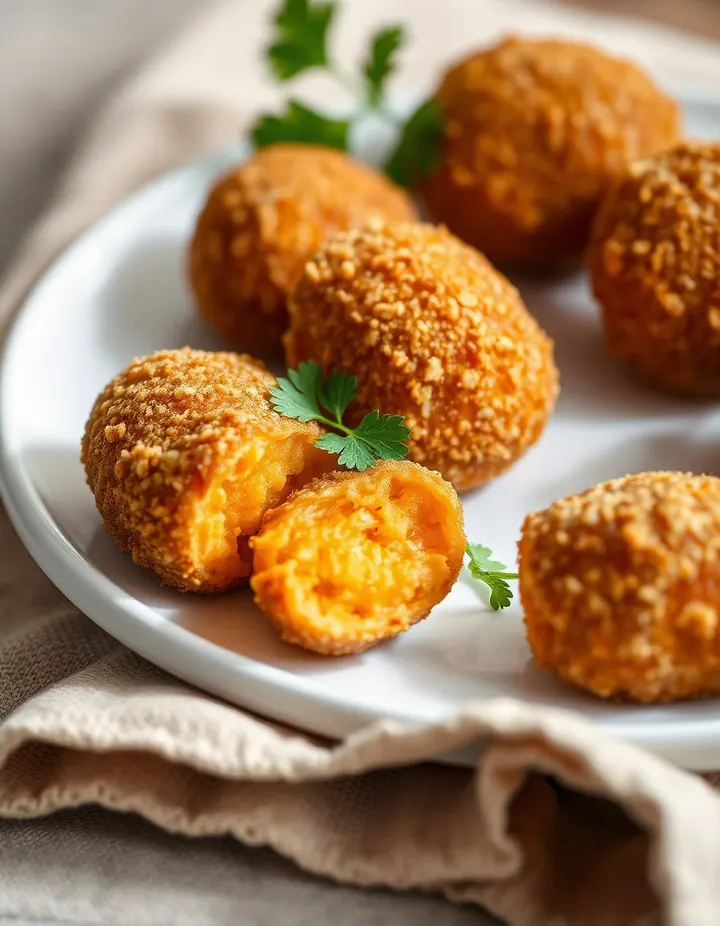 Sweet Potato Croquettes53 recipes
The free Flavor Lab newsletter: one surprising pairing a week and the molecular reason it works, in 60 seconds. No spam, unsubscribe anytime.
Prefer an account? Create a free account to save pairings and unlock the full chemistry.