Why it works: Egg and potato are a kitchen classic. They rank in the top 29% of all ingredient pairs, and cooks put them together in 4,978 recipes. Both carry (e)-2-octenal, which smells fatty, green. The science ↓
Shell-fish
Ingredients
Directions
Prepare
Prepare cracker dust by rolling crackers with a rolling pin, or buy cracker dust from a grocer.
Take one oyster, roll it in cracker dust, and place it on a platter.
Repeat for all oysters.
Let the oysters sit for 15 minutes.
Bread and rest
Dip each oyster in beaten egg.
Roll it in cracker dust again.
Let them sit for 30 to 45 minutes.
Fry and serve
Heat clarified fat or lard in a frying pan until blue smoke appears (about 375°F).
Drop in a peeled potato or piece of hard bread to maintain the fat temperature.
Carefully add the oysters.
Fry until light brown, about 3 minutes, then turn to brown the other side.
Remove oysters to a colander or brown paper to drain excess grease.
Serve hot on a warm platter.
Transcribed from a scanned cookbook and modernised for today's kitchens. Where the book gave no heat or time, or said "a moderate oven", the temperatures and times here may be modern equivalents rather than the book's own figures.
Explore the science
The flavor team
The pairs that carry this dish. Each one is judged two ways: how much their aromas overlap, and how often cooks already put them together.
-
Egg + potatotop 29% of all pairsSmell alikemoderateCooked together4,978 recipes
Shared aroma: (e)-2-octenal (fatty, green).
Ranks compare each pair with 20,000 random ingredient pairs on CompKitchen. How we score pairs
What each ingredient does
- Egg
- Binds the cracker dust to the oysters so the coating adheres during frying.
- Crackers
- Form the crisp, browned crust that protects the oyster while it fries.
- Clarified fat or lard
- Conducts heat to cook the oysters quickly and gives the coating its golden browning.
The step that matters
Keeping the fat at frying temperature. Adding cold oysters drops the fat's temperature, so the coating absorbs more grease and turns soggy. Holding the fat near 375°F sears the coating quickly, keeping it crisp and the oyster tender.
“What each ingredient does” and “The step that matters” were written by Claude from this recipe’s own method and reviewed in samples by CompKitchen.
You might also like
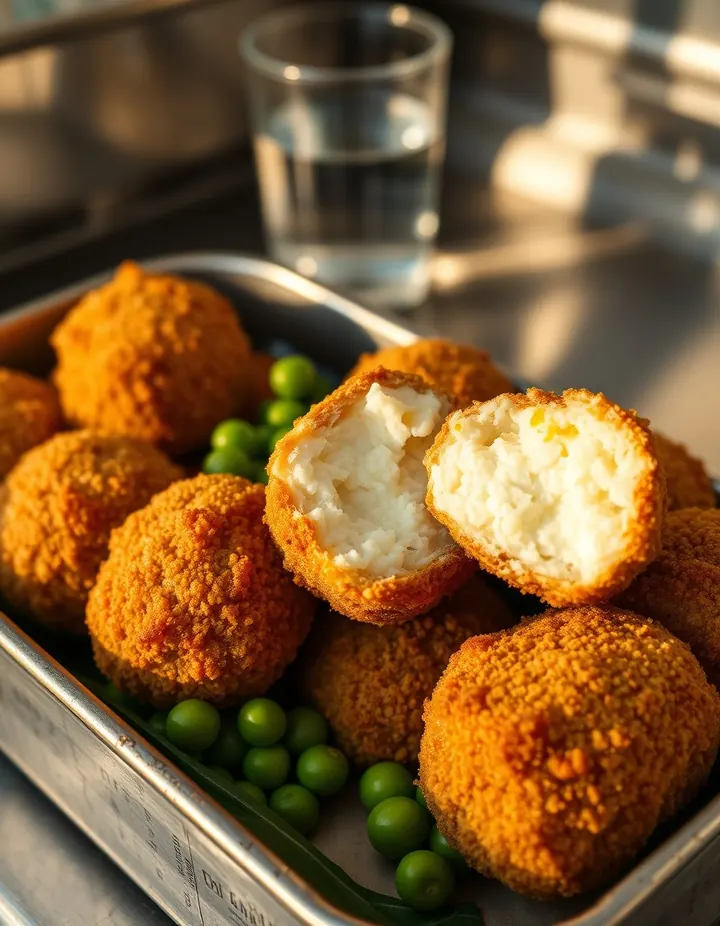 Potato Croquettes255 recipes
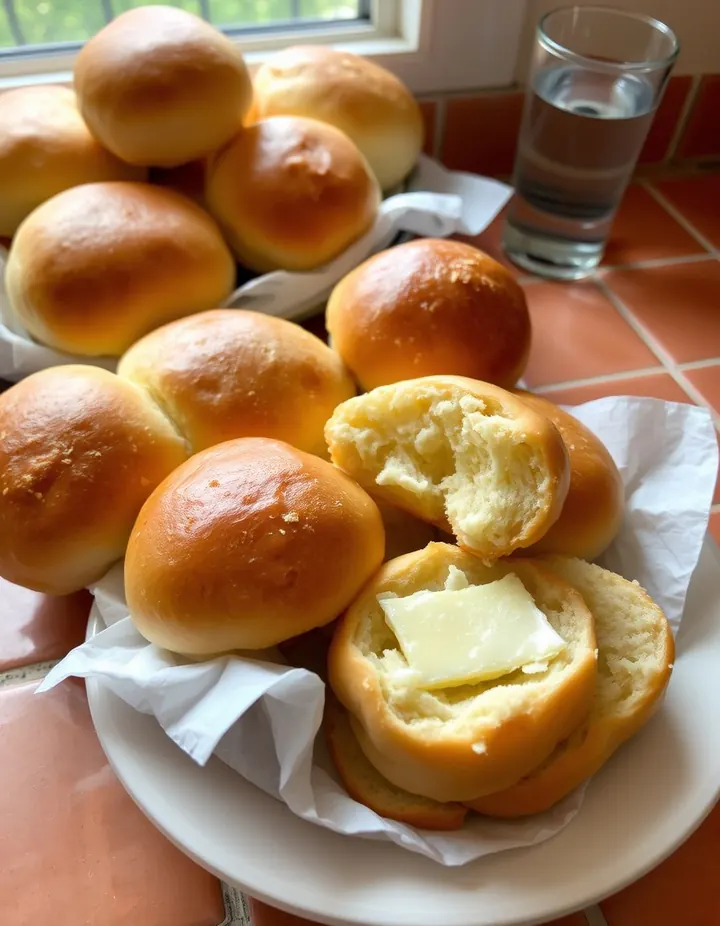 Potato Rolls78 recipes
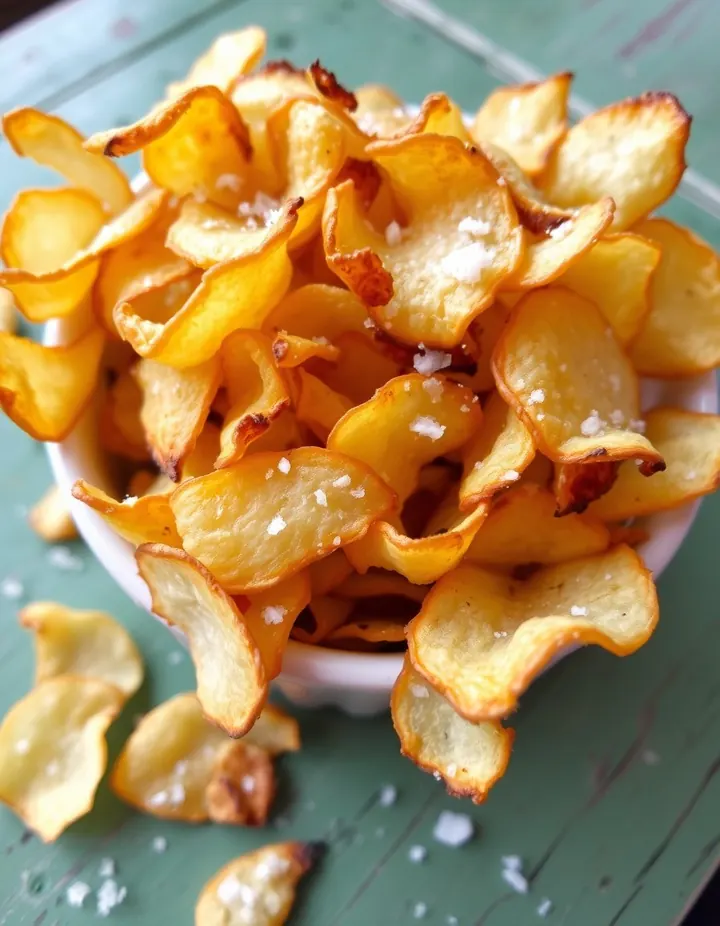 Potato Chips53 recipes
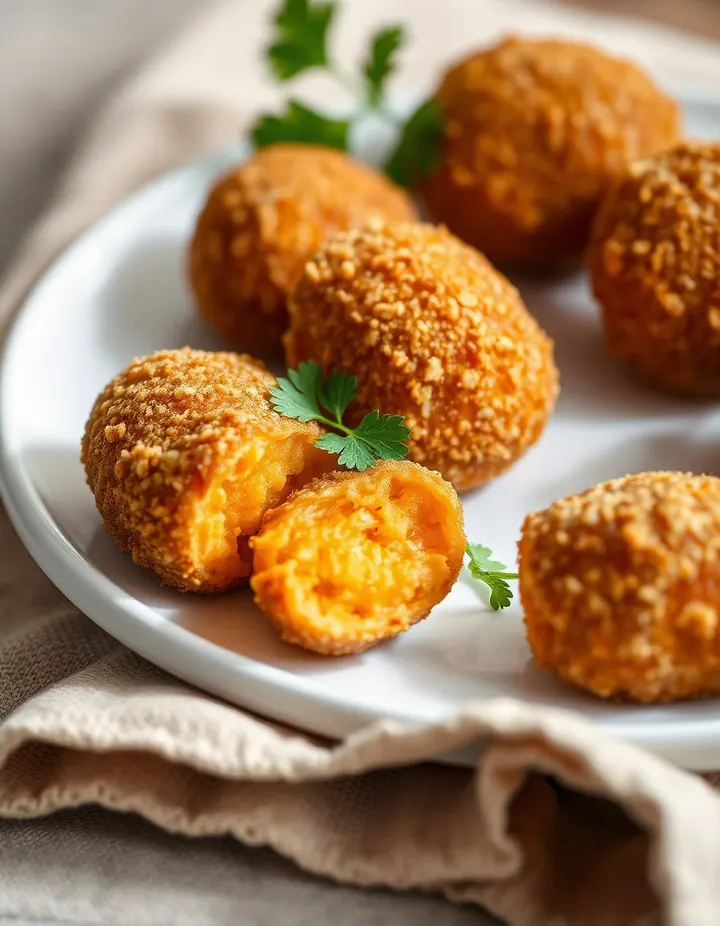 Sweet Potato Croquettes53 recipes
The free Flavor Lab newsletter: one surprising pairing a week and the molecular reason it works, in 60 seconds. No spam, unsubscribe anytime.
Prefer an account? Create a free account to save pairings and unlock the full chemistry.