Why it works: Cream and lobster are a kitchen classic. They rank in the top 6% of all ingredient pairs, and cooks put them together in 1,050 recipes. Both carry 1-octen-3-one, which smells mushroom, metallic. The science ↓
Lobster Timbals
Ingredients
Directions
The book says “a hot oven”. The 400°F (200°C) in the steps is the modern equivalent, not the book's own figure.
Prepare the bread and fish
Soak the stale bread in water until soft, then squeeze out excess water.
Cook the bread with 1 teaspoon of butter, beating until it reaches a rubbery consistency. Cool the bread mixture.
Pass the halibut or cod through a meat chopper. Pound the fish in a mortar.
Gradually add ⅓ cup of the prepared bread, 1 egg, 1 egg yolk, and 4 tablespoons of cream. Beat the mixture well.
Make the lobster filling
Sauté the chopped onion in 3 tablespoons of butter until very fine.
Add 2 tablespoons of flour, ½ cup of cream, 2 egg yolks, salt, and pepper. Cook the mixture until thickened.
Stir in 1 tablespoon of sherry wine and ⅔ cup of chopped lobster. Let the lobster mixture cool.
Assemble and bake
Butter timbal molds. Spread the bread mixture on the sides and bottom of the molds.
Fill the center of the timbals with the lobster filling. Cover with the fish mixture.
Cook in a 400°F (200°C) oven in a pan of hot water. Serve with lobster sauce.
Transcribed from a scanned cookbook and modernised for today's kitchens. Where the book gave no heat or time, or said "a moderate oven", the temperatures and times here may be modern equivalents rather than the book's own figures.
Explore the science
The flavor team
The pairs that carry this dish. Each one is judged two ways: how much their aromas overlap, and how often cooks already put them together.
-
Cream + lobstertop 6% of all pairsSmell alikemoderateCooked together1,050 recipes
Shared aroma: 1-octen-3-one (mushroom, metallic).
-
Bread + buttertop 7% of all pairsSmell alikemoderateCooked together27,232 recipes
Shared aroma: delta-decalactone (sweet, creamy).
-
Cream + buttertop 8% of all pairsSmell alikemoderateCooked together41,516 recipes
Shared aroma: delta-dodecalactone (sweet, creamy).
-
Butter + flourtop 12% of all pairsSmell alikelowCooked together124,287 recipes
Shared aroma: isobutyraldehyde (malty, green).
-
Butter + winetop 13% of all pairsSmell alikemoderateCooked together8,645 recipes
Shared aroma: 2-furfurylthiol (coffee, roasted).
Butter and flour barely smell alike, yet cooks put them together in 124,287 recipes: they work on texture and structure more than aroma.
Ranks compare each pair with 20,000 random ingredient pairs on CompKitchen. How we score pairs
What each ingredient does
- Stale bread
- Soaked and cooked bread binds the fish and gives the shell a firm, tender structure.
- Halibut or cod
- Forms the main body of the timbal, setting into a firm, delicate texture when baked.
- Egg and egg yolks
- Bind the fish mixture and set on heating, holding the timbal together.
- Cream
- Adds moisture and richness, keeping the fish mixture tender rather than dry.
- Butter
- Adds richness and flavor, and helps the onion soften and the sauce base cook smoothly.
- Flour
- Thickens the lobster filling into a cohesive mixture when cooked with cream and yolks.
The step that matters
Cook the bread until rubbery and cool it fully. Cooking the bread drives off moisture and gives it a firm texture that binds the fish. Cooling before mixing prevents the eggs from scrambling and the mixture from loosening.
“What each ingredient does” and “The step that matters” were written by Claude from this recipe’s own method and reviewed in samples by CompKitchen.
You might also like
 Brown Bread461 recipes
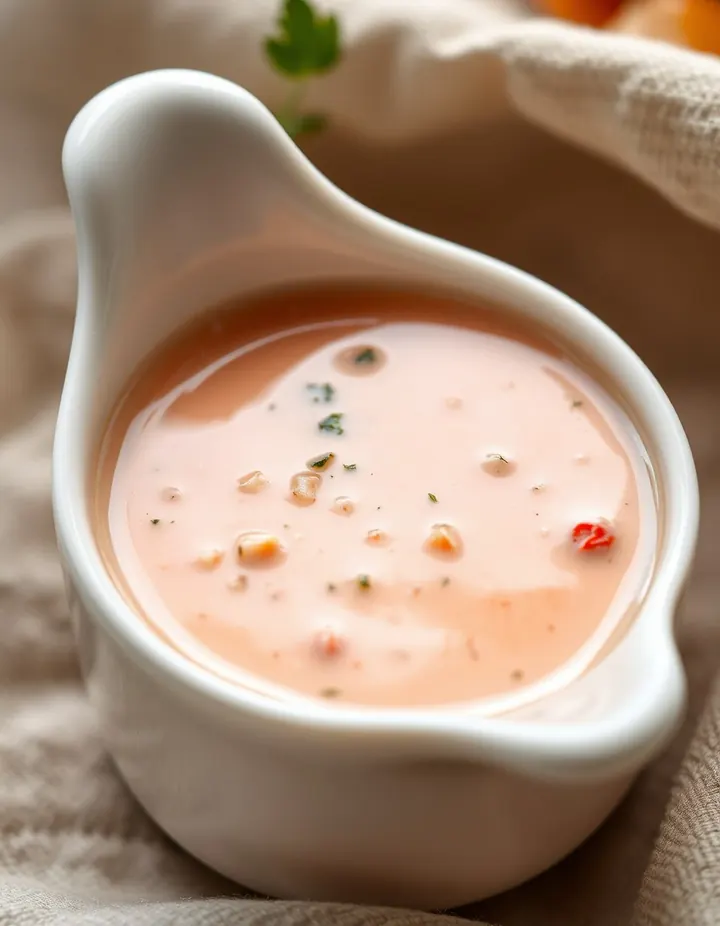 Lobster Sauce174 recipes
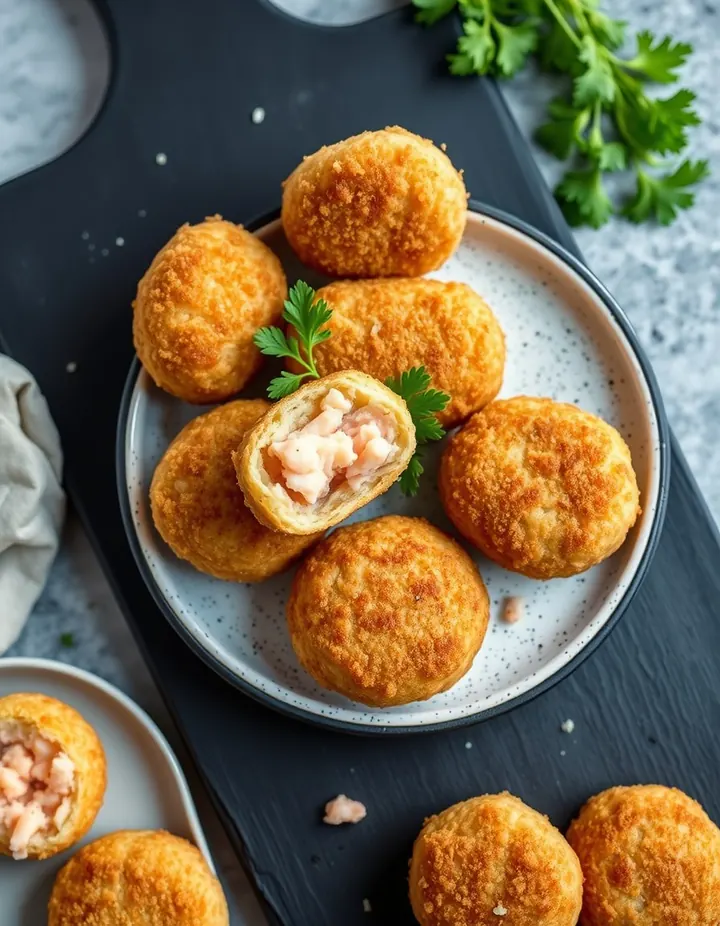 Lobster Croquettes99 recipes
 White Bread80 recipes
The free Flavor Lab newsletter: one surprising pairing a week and the molecular reason it works, in 60 seconds. No spam, unsubscribe anytime.
Prefer an account? Create a free account to save pairings and unlock the full chemistry.