Why it works: Nutmeg and cinnamon match in chemistry and in kitchens. They rank in the top 1% of all ingredient pairs, and cooks put them together in 11,917 recipes. Both carry estragole, which smells anise, licorice. The science ↓
New-york Cup Cake
Ingredients
Directions
Warm the milk and cut the butter into it, keeping it by the fire until melted.
Prepare the spices and sift the flour.
Beat the eggs until light and stir them into the milk alternately with the flour.
Add the spices, wine, and lastly the dissolved pearl-ash.
Stir all ingredients vigorously.
Butter small tins and fill them half-full with the batter.
Transcribed from a scanned cookbook and modernised for today's kitchens. Where the book gave no heat or time, or said "a moderate oven", the temperatures and times here may be modern equivalents rather than the book's own figures.
Explore the science
The flavor team
The pairs that carry this dish. Each one is judged two ways: how much their aromas overlap, and how often cooks already put them together.
-
Nutmeg + cinnamontop 1% of all pairsSmell alikestrongCooked together11,917 recipes
Shared aroma: estragole (anise, licorice).
-
Butter + milktop 7% of all pairsSmell alikemoderateCooked together81,283 recipes
Shared aroma: (z)-4-heptenal (biscuit, cream).
-
Flour + nutmegtop 8% of all pairsSmell alikemoderateCooked together18,623 recipes
Shared aroma: isobutyraldehyde (malty, green).
-
Butter + white winetop 9% of all pairsSmell alikemoderateCooked together5,083 recipes
Shared aroma: ethyl octanoate (fruity, wine).
-
Flour + cinnamontop 9% of all pairsSmell alikemoderateCooked together17,341 recipes
Shared aroma: isobutyraldehyde (malty, green).
Ranks compare each pair with 20,000 random ingredient pairs on CompKitchen. How we score pairs
You might also like
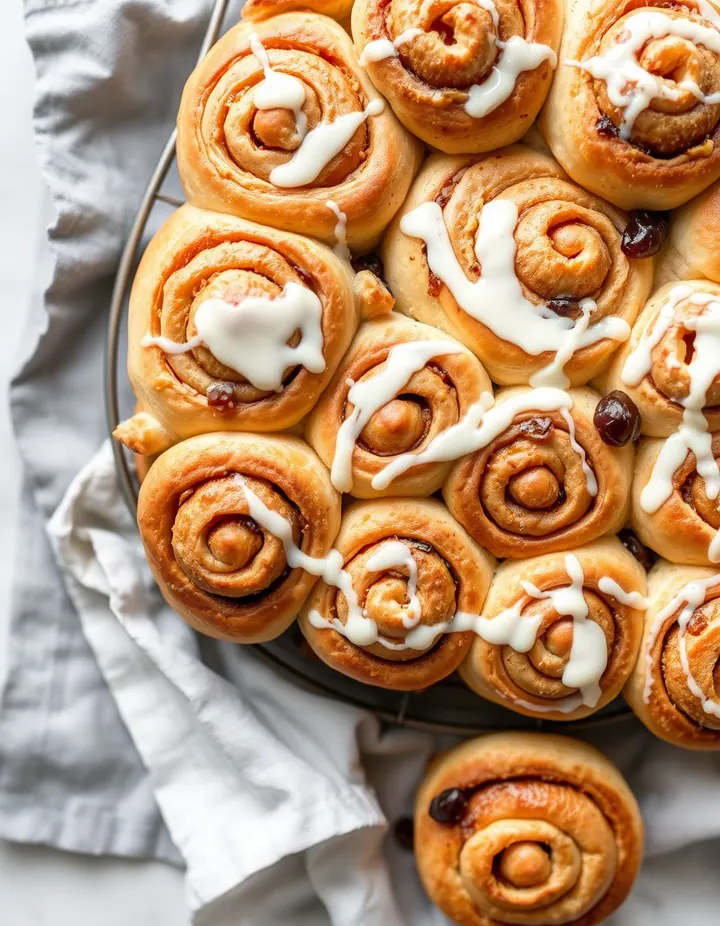 Cinnamon Rolls71 recipes
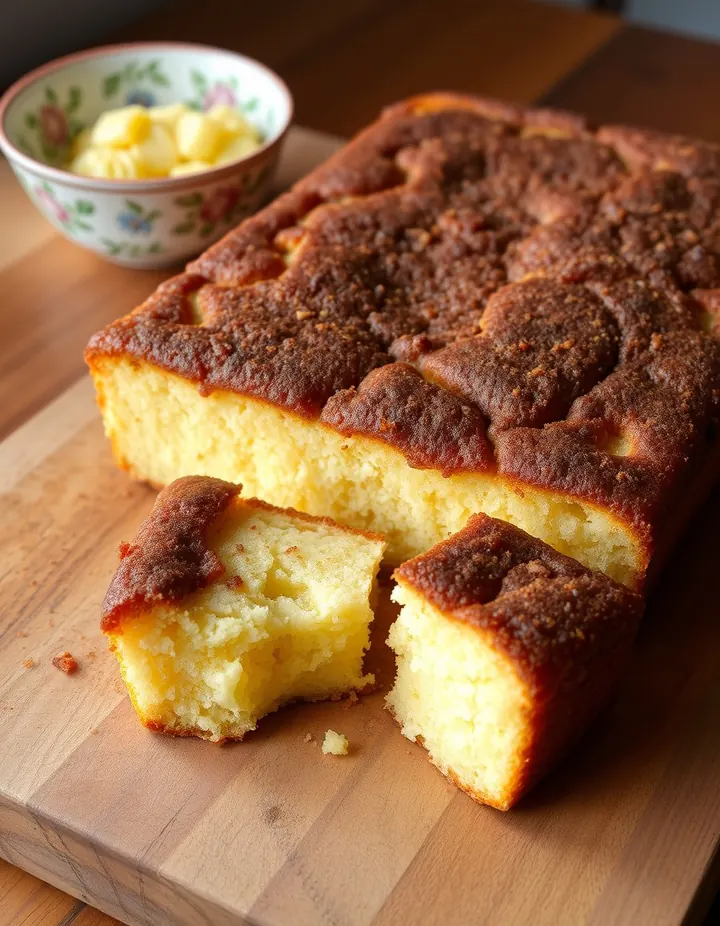 Cinnamon Cake42 recipes
 White Cake431 recipes
 Pound Cake373 recipes
The free Flavor Lab newsletter: one surprising pairing a week and the molecular reason it works, in 60 seconds. No spam, unsubscribe anytime.
Prefer an account? Create a free account to save pairings and unlock the full chemistry.