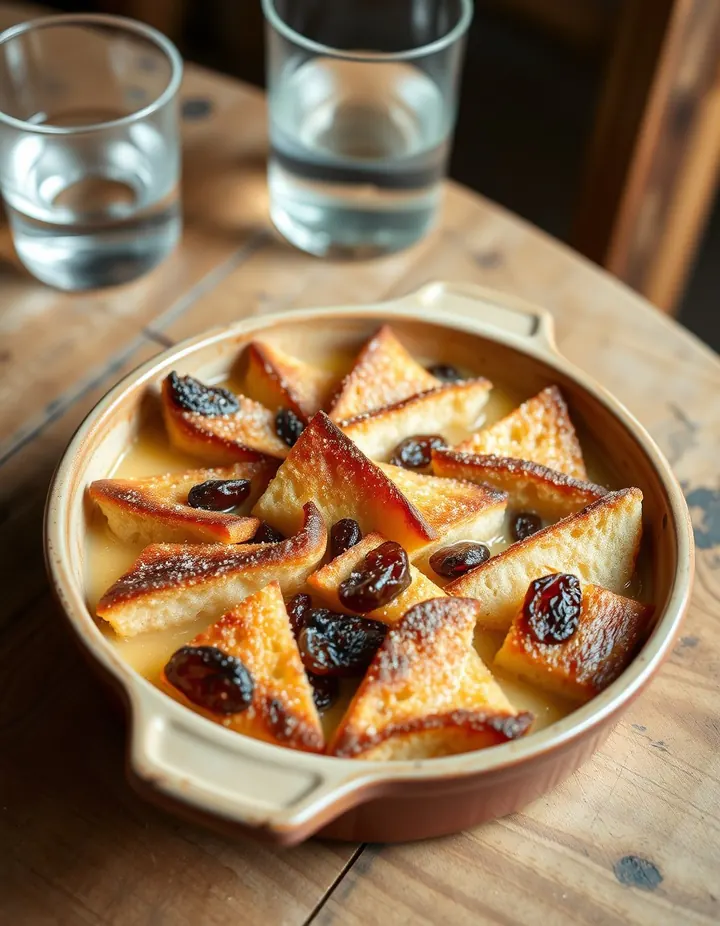
Why it works: Milk and vanilla are a kitchen classic. They rank in the top 5% of all ingredient pairs, and cooks put them together in 19,187 recipes. Both carry ethyl caproate, which smells fruity, apple peel. The science ↓
Bread and Butter Pudding
Ingredients
Directions
The book says “a moderate oven”. The 350°F (175°C) in the steps is the modern equivalent, not the book's own figure. The book gives no cooking times; the times in the steps were added in transcription, so check for doneness rather than trusting the clock.
Prepare
Preheat the oven to 350°F (175°C).
In a bowl, whisk together the milk, eggs, and sugar to make a custard.
Spread butter on both sides of the bread slices.
Assemble
Layer the buttered bread in a pudding dish.
Sprinkle currants or raisins over the bread.
Pour the custard mixture over the bread and currants.
Add a few drops of vanilla extract and dot the top with butter.
Bake
Bake in the preheated oven for 30-40 minutes until set.
Transcribed from a scanned cookbook and modernised for today's kitchens. Where the book gave no heat or time, or said "a moderate oven", the temperatures and times here may be modern equivalents rather than the book's own figures.
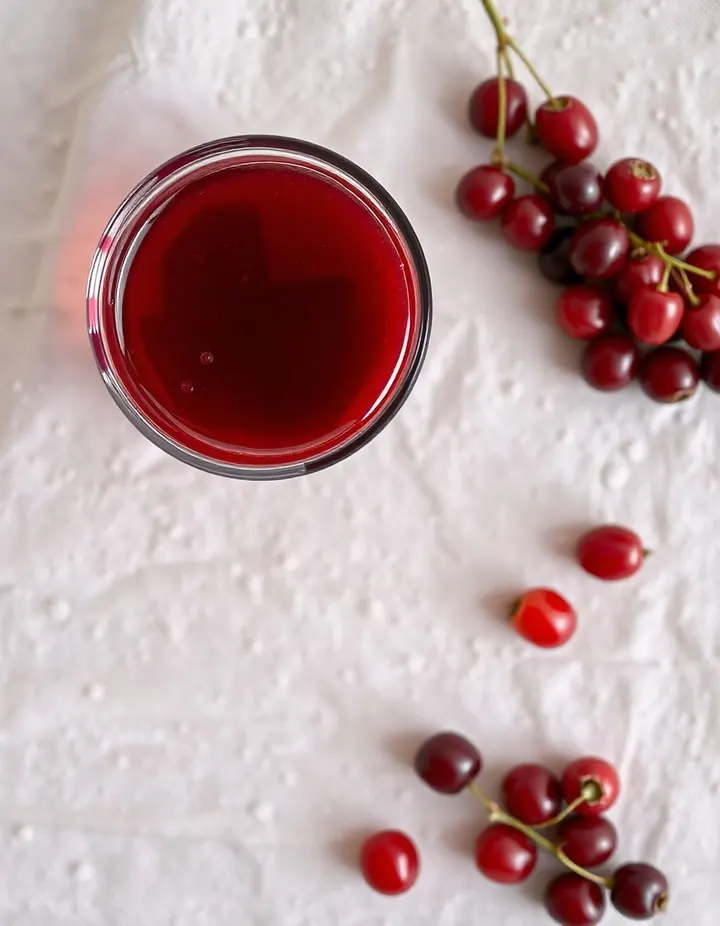
Photo for illustrative purposes only · Contact us to use it
Explore the science
The flavor team
The pairs that carry this dish. Each one is judged two ways: how much their aromas overlap, and how often cooks already put them together.
-
Milk + vanillatop 5% of all pairsSmell alikemoderateCooked together19,187 recipes
Shared aroma: ethyl caproate (fruity, apple peel).
-
Bread + buttertop 7% of all pairsSmell alikemoderateCooked together27,232 recipes
Shared aroma: delta-decalactone (sweet, creamy).
-
Milk + buttertop 7% of all pairsSmell alikemoderateCooked together81,283 recipes
Shared aroma: (z)-4-heptenal (biscuit, cream).
-
Sugar + vanillatop 8% of all pairsSmell alikelowCooked together35,032 recipes
Shared aroma: beta-damascenone (apple, rose).
-
Milk + breadtop 11% of all pairsSmell alikemoderateCooked together11,466 recipes
Shared aroma: 2-undecenal (sweet).
Sugar and vanilla barely smell alike, yet cooks put them together in 35,032 recipes: they work on texture and structure more than aroma.
Ranks compare each pair with 20,000 random ingredient pairs on CompKitchen. How we score pairs
What each ingredient does
- Eggs
- Set the custard as they cook, giving the pudding its structure and a tender, sliceable body.
- Milk
- Forms the liquid base of the custard that soaks into the bread and sets when baked.
- Bread
- Soaks up the custard and holds its shape, giving the pudding its layered, soft texture.
- Butter
- Adds richness and flavor, and helps the bread brown on the surface as it bakes.
- Sugar
- Sweetens the custard and balances the richness of the eggs and butter.
- Currants or raisins
- Add pockets of concentrated sweetness and chewy texture throughout the pudding.
The step that matters
Bake until set. Eggs set as their proteins coagulate with heat. Pulling the pudding too early leaves the custard runny, while overbaking can make it dry and grainy.
Swap the currant
How well each one fits the dish's main ingredients (milk, egg, sugar, bread, butter, vanilla):
- Figfits better
- Peachfits better
- Coconutfits better
- Currantthe original
Fit is the average pairing score against milk, egg, sugar, bread, butter, vanilla. Candidates are from the same food group and used in at least 100 recipes.
“What each ingredient does” and “The step that matters” were written by Claude from this recipe’s own method and reviewed in samples by CompKitchen.
You might also like
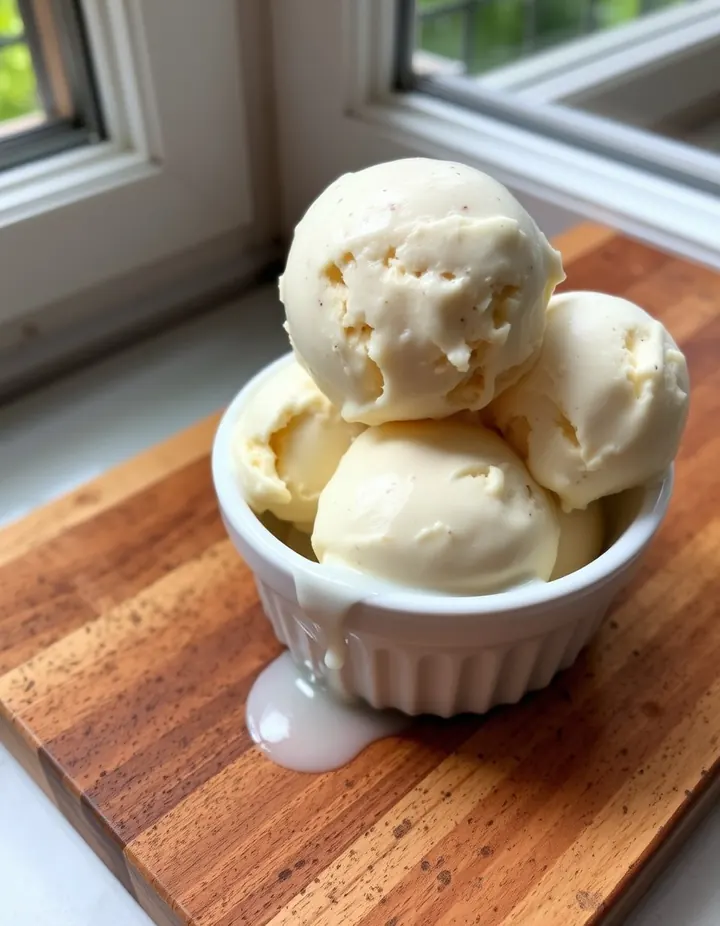 Vanilla Ice Cream108 recipes
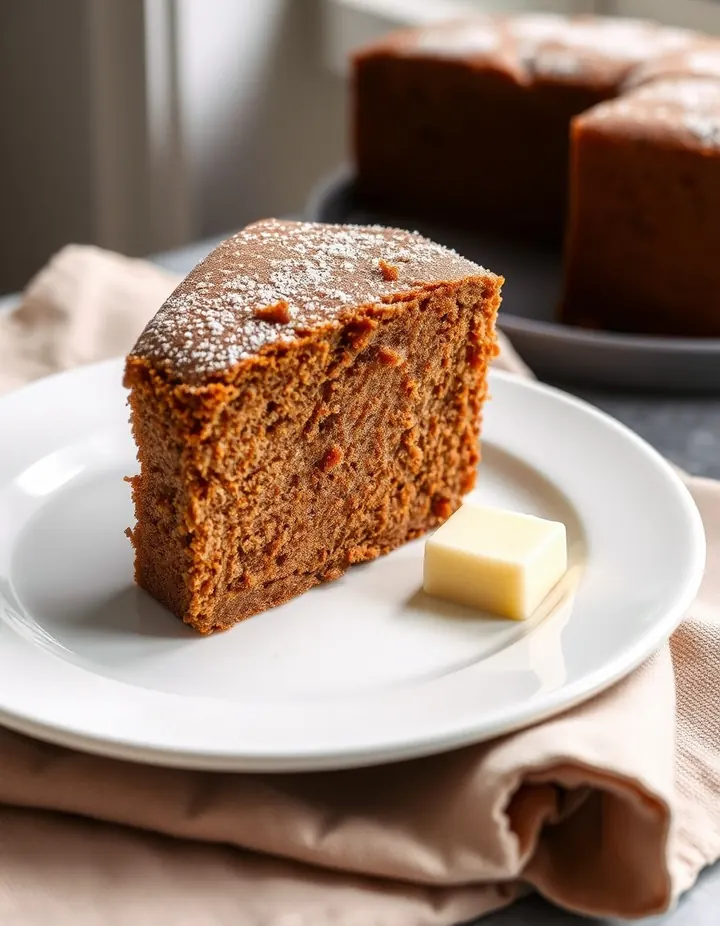 Soft Ginger Bread85 recipes
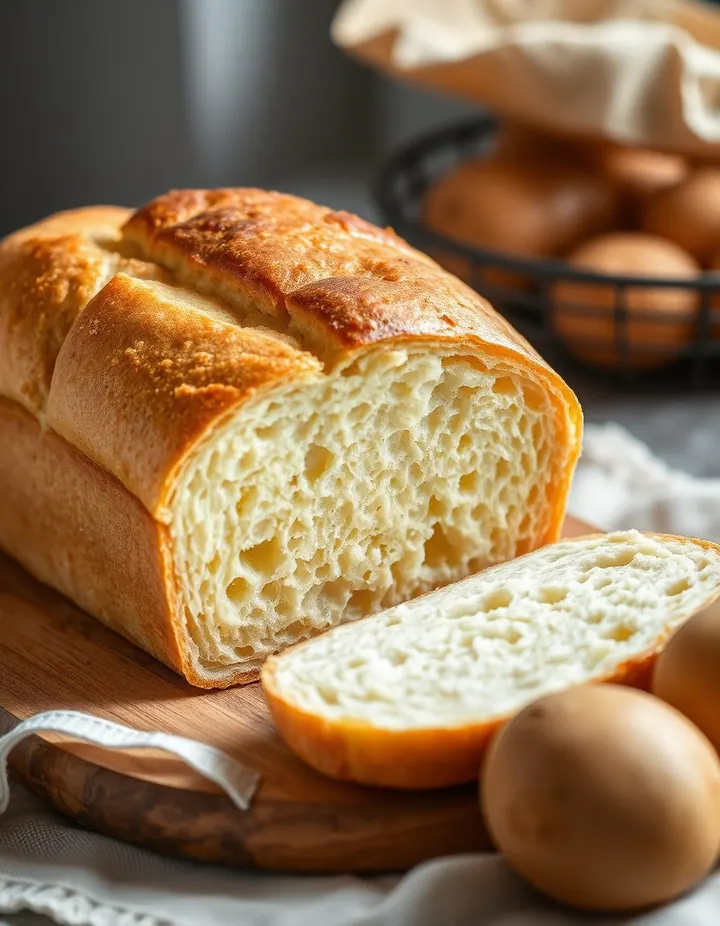 Orange Potato Bread80 recipes
 Red Currant Jelly65 recipes
The free Flavor Lab newsletter: one surprising pairing a week and the molecular reason it works, in 60 seconds. No spam, unsubscribe anytime.
Prefer an account? Create a free account to save pairings and unlock the full chemistry.