Why it works: Turkey and meat work together. They rank in the top 4% of all ingredient pairs, and 540 recipes mention both. Both carry linalool, which smells floral, citrus. The science ↓
The recipe
Ingredients
Contains: milk, wheat (auto-detected from the ingredients and method; we can miss things, so check labels)
Directions
Prepare the stock
Cut up the remains of cold duck, turkey, or chicken.
Make a little stock using the bones.
Flavor the stock with cayenne pepper, mustard, and tomato sauce.
Make the ragout
In a pan, fry the chopped onion in boiling butter or fat until soft.
Mix the fried onion with the stock and thicken with brown flour.
Bring the mixture to a boil and add the pieces of cold meat.
Allow to simmer for 15 minutes until thoroughly warm.
Cook to a safe temperature. This method doesn't say how hot the inside should get. Check with a food thermometer in the thickest part:
- Beef, pork, lamb and veal steaks, chops and roasts: 145°F (63°C), then rest 3 minutes.
Figures from the USDA's safe minimum internal temperatures.
Transcribed from a scanned cookbook and modernised for today's kitchens. Where the book gave no heat or time, or said "a moderate oven", the temperatures and times here may be modern equivalents rather than the book's own figures.
Found this recipe through an AI assistant? CompKitchen also shows which ingredients go well together and why, from the aroma molecules they share and how often recipes combine them. Try the pairing tools.
Explore the science
The flavor team
The pairs that carry this dish. Each one is judged two ways: how much aroma chemistry they share, and how many recipes mention both.
-
Turkey + meattop 4% of all pairsAroma overlapmoderateMentioned together540 recipes
Shared aroma: linalool (floral, citrus).
-
Pepper + tomatotop 4% of all pairsAroma overlapstrongMentioned together17,913 recipes
Shared aroma: 2-isopropyl-3-methoxypyrazine (earthy, pea).
-
Tomato + oniontop 4% of all pairsAroma overlapstrongMentioned together20,622 recipes
Shared aroma: 2-isopropyl-3-methoxypyrazine (earthy, pea).
-
Mustard + oniontop 4% of all pairsAroma overlapstrongMentioned together9,243 recipes
Shared aroma: 2-isopropyl-3-methoxypyrazine (earthy, pea).
-
Meat + mustardtop 5% of all pairsAroma overlapmoderateMentioned together855 recipes
Shared aroma: guaiacol (smoky, sweet).
Ranks compare each pair with 20,000 random ingredient pairs on CompKitchen. How we score pairs
What each ingredient does
- Cold duck, turkey, or chicken
- Provides the main meat, which is already cooked and only needs warming through.
- Brown flour
- Starch that thickens the stock into a cohesive sauce as it heats.
- Butter or fat
- Softens the onion and carries its flavor into the sauce as fat.
- Onion
- Adds savory sweetness and aroma when softened in fat.
- Tomato sauce
- Adds acidity and savory depth to the stock.
The step that matters
Thickening with brown flour. Flour must be mixed in smoothly with the stock and cooked through; added lumpy or without enough heat, it leaves raw floury taste and uneven thickness.
Flavor stand-ins for the onion
How well each one fits the dish's main ingredients (turkey, meat, pepper, mustard, tomato, sauce, butter):
- Capsicumbetter flavor fit
- Potatobetter flavor fit
- Asparagusabout as good a flavor fit
- Onionthe original
Fit is the average pairing score against turkey, meat, pepper, mustard, tomato, sauce, butter. Candidates are from the same food group and used in at least 100 recipes. This compares flavor only: it does not check the job the ingredient does in the dish (bulk, moisture, acidity, structure).
“What each ingredient does” and “The step that matters” were written by Claude, an AI, from this recipe’s own method. They are not checked recipe by recipe, so they can be wrong.
Make it your own
Stand-ins, a drink, and quick taste fixes for this dish, ranked by how well each fits its other ingredients: shared aroma molecules and how often recipes combine them.
You might also like
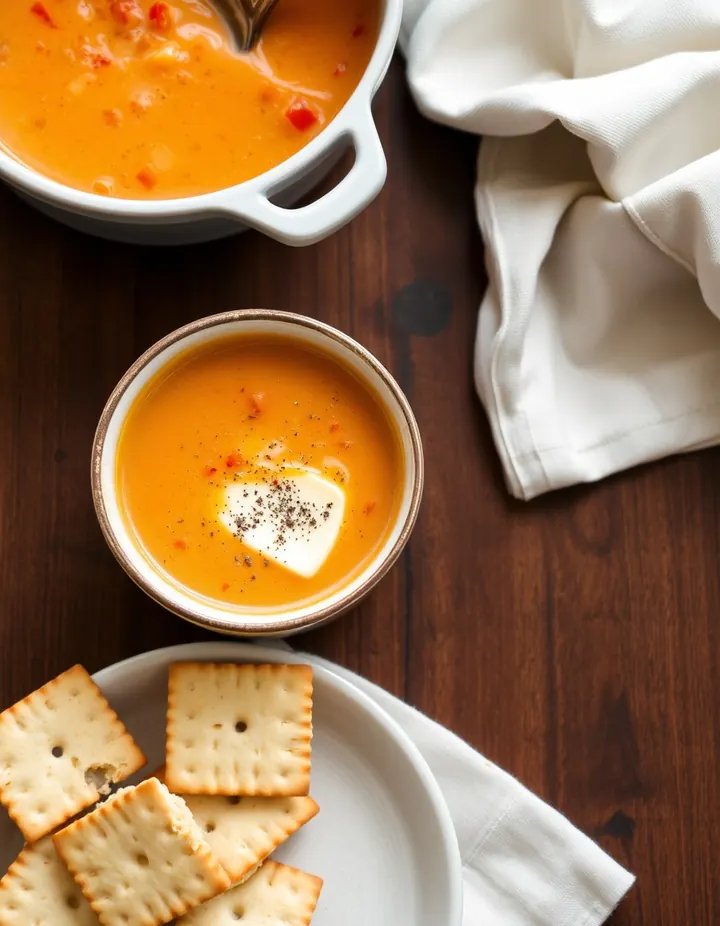 Illustration
 Illustration
 Illustration
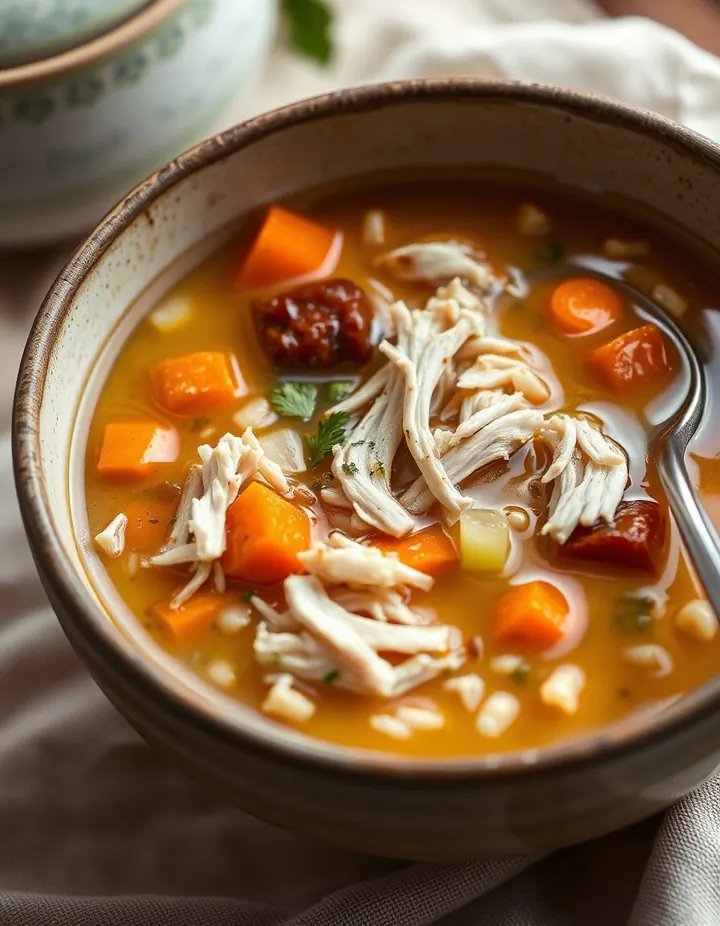 Illustration
The Sunday pairing: one pairing, the chemistry behind it, and how to cook it. No spam, unsubscribe anytime.
Prefer an account? Create a free account for sign-in; Pro adds the full results and chemistry.