Why it works: Pear and clove match in chemistry and in kitchens. They rank in the top 7% of all ingredient pairs, and cooks put them together in 512 recipes. Both carry ethyl octanoate, which smells fruity, wine. The science ↓
Pear Tart
Ingredients
Directions
The book says “a good oven”. The 400°F (200°C) in the steps is the modern equivalent, not the book's own figure.
Prepare the filling
Peel, core, and quarter the pears.
Place pears in a saucepan with sugar, cloves, lemon juice, and water.
Simmer gently for 45 minutes, then transfer to a prepared dish.
Assemble the tart
Once cooled, moisten the edge of the dish and line it with pastry.
Cover with pastry, press down the edges, trim, and decorate with pastry leaves or flowers.
Bake and finish
Bake in a 400°F (200°C) oven for about 45 minutes.
Ten minutes before done, remove from oven, brush with egg white mixed with cold water, and sprinkle with powdered sugar.
Return to the oven to finish baking.
Transcribed from a scanned cookbook and modernised for today's kitchens. Where the book gave no heat or time, or said "a moderate oven", the temperatures and times here may be modern equivalents rather than the book's own figures.
Explore the science
The flavor team
The pairs that carry this dish. Each one is judged two ways: how much their aromas overlap, and how often cooks already put them together.
-
Pear + clovetop 7% of all pairsSmell alikestrongCooked together512 recipes
Shared aroma: ethyl octanoate (fruity, wine).
-
Clove + lemontop 10% of all pairsSmell alikestrongCooked together8,150 recipes
Shared aroma: eucalyptol (eucalyptus, herbal).
-
Pear + lemontop 13% of all pairsSmell alikemoderateCooked together942 recipes
Shared aroma: alpha-pinene (pine, turpentine).
-
Pear + sugartop 17% of all pairsSmell alikelowCooked together2,079 recipes
Shared aroma: 1-penten-3-one (fish, pungent).
-
Sugar + lemontop 18% of all pairsSmell alikelowCooked together53,532 recipes
Shared aroma: 2-nonenal (fatty, green).
Sugar and lemon barely smell alike, yet cooks put them together in 53,532 recipes: they work on texture and structure more than aroma.
Ranks compare each pair with 20,000 random ingredient pairs on CompKitchen. How we score pairs
What each ingredient does
- Pears
- Provide the main body of the tart and soften into a tender filling when simmered.
- Moist sugar
- Sweetens the pears and helps form a syrup that flavours and glazes the fruit.
- Egg white
- Brushed on the pastry before the final bake, it helps the top brown and turn glossy.
- Pastry
- Forms the lining and lid that hold the pear filling and set the tart's structure.
The step that matters
Cooling the pears before lining the dish. The pears are simmered and then cooled before the pastry goes on. Filling that is still hot would soften the pastry from beneath and make the base soggy, so the cooling step matters.
Swap the clove
How well each one fits the dish's main ingredients (pear, sugar, lemon, egg):
- Cinnamonfits better
- Gingerfits better
- Nutmegfits better
- Clovethe original
Fit is the average pairing score against pear, sugar, lemon, egg. Candidates are from the same food group and used in at least 100 recipes.
“What each ingredient does” and “The step that matters” were written by Claude from this recipe’s own method and reviewed in samples by CompKitchen.
You might also like
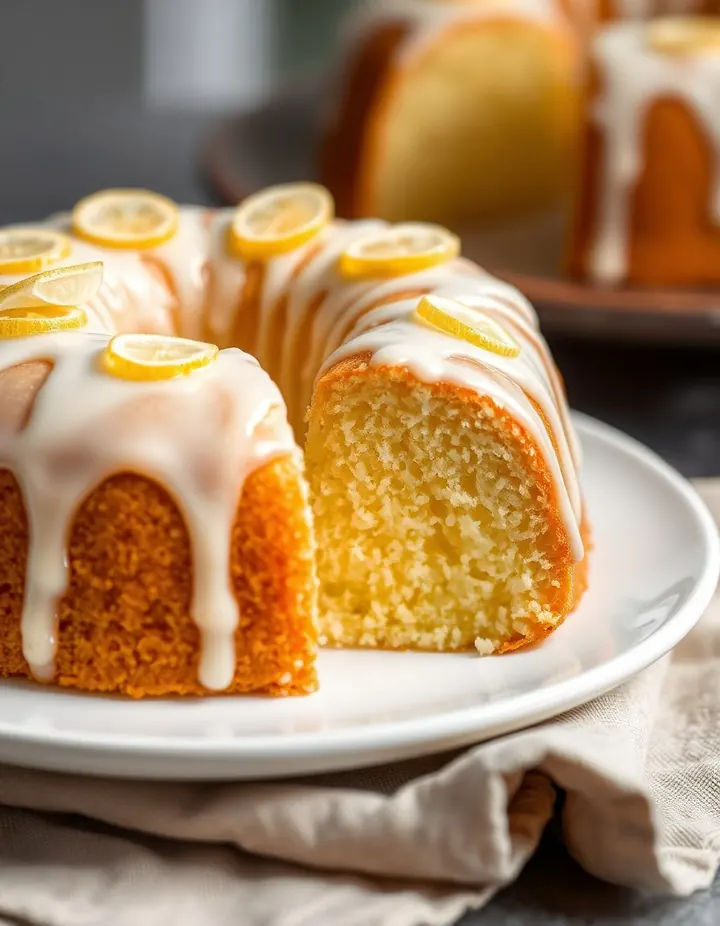 Lemon Cake228 recipes
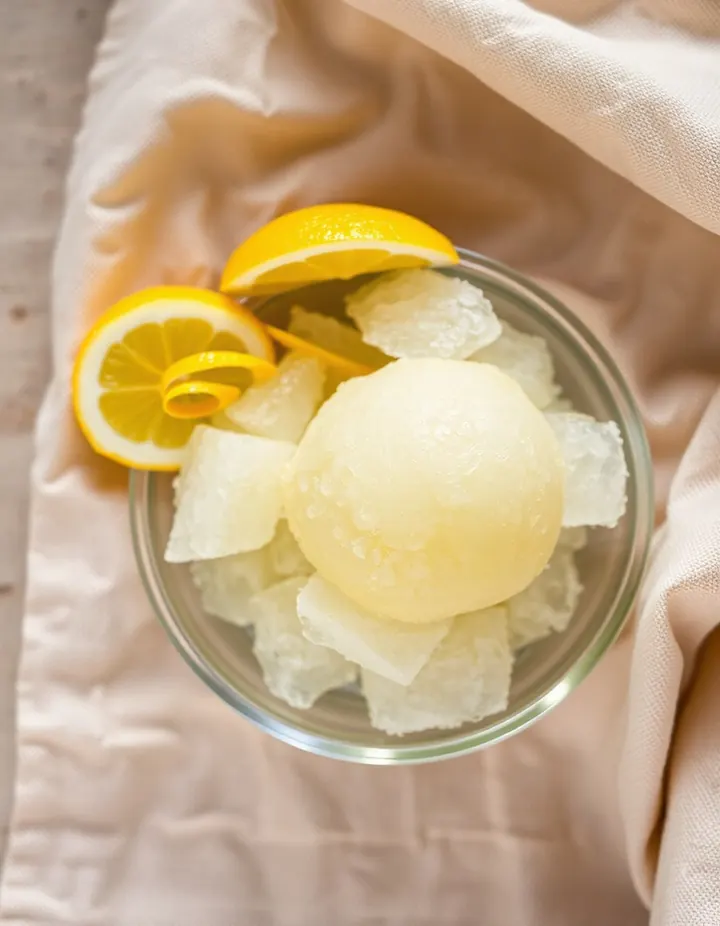 Lemon Ice147 recipes
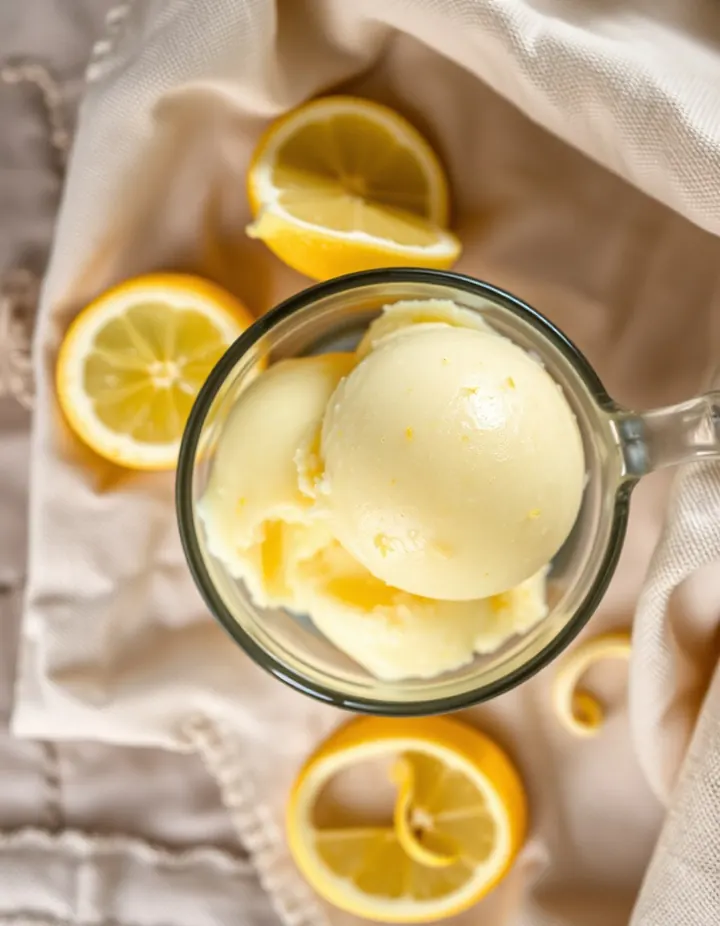 Lemon Sherbet103 recipes
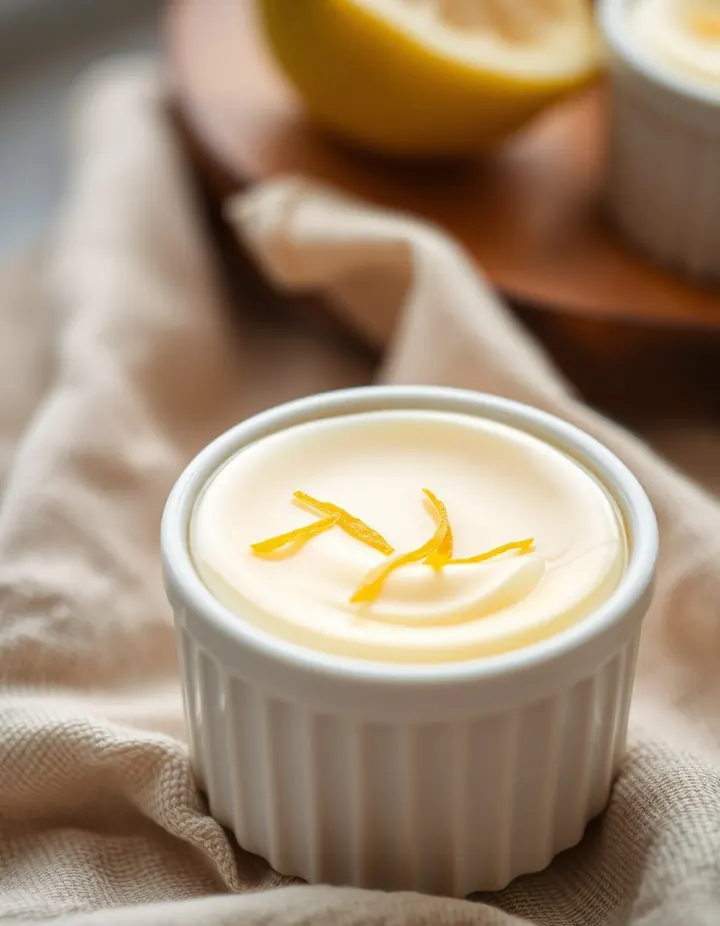 Lemon Custard64 recipes
The free Flavor Lab newsletter: one surprising pairing a week and the molecular reason it works, in 60 seconds. No spam, unsubscribe anytime.
Prefer an account? Create a free account to save pairings and unlock the full chemistry.