Why it works: Salmon and lobster work together. They rank in the top 14% of all ingredient pairs, and cooks put them together in 313 recipes. Both carry 2,6-nonadienal, which smells cucumber, green. The science ↓
Salmon, Crimped
Ingredients
Directions
Poach
Place the salmon slices in a stewpan with boiling water and add the salt.
Simmer gently for 15 to 20 minutes.
Check if the bone in the center comes out easily; if so, the fish is done.
If not ready, cover with a wet napkin and keep warm.
Serve
Remove the fish immediately to preserve aroma.
Serve with your choice of sauce.
Transcribed from a scanned cookbook and modernised for today's kitchens. Where the book gave no heat or time, or said "a moderate oven", the temperatures and times here may be modern equivalents rather than the book's own figures.
Explore the science
The flavor team
The pairs that carry this dish. Each one is judged two ways: how much their aromas overlap, and how often cooks already put them together.
-
Salmon + lobstertop 14% of all pairsSmell alikemoderateCooked together313 recipes
Shared aroma: 2,6-nonadienal (cucumber, green).
Ranks compare each pair with 20,000 random ingredient pairs on CompKitchen. How we score pairs
What each ingredient does
- Crimped salmon
- Forms the main body of the dish, cooking gently in simmering water to stay moist and tender.
- Coarse sea salt
- Seasons the poaching water so the fish takes on flavor as it cooks.
The step that matters
Removing the fish as soon as it is done. Salmon keeps cooking from residual heat after it leaves the water. Lifting it out once the central bone releases easily helps prevent it from drying out and losing its delicate aroma.
“What each ingredient does” and “The step that matters” were written by Claude from this recipe’s own method and reviewed in samples by CompKitchen.
You might also like
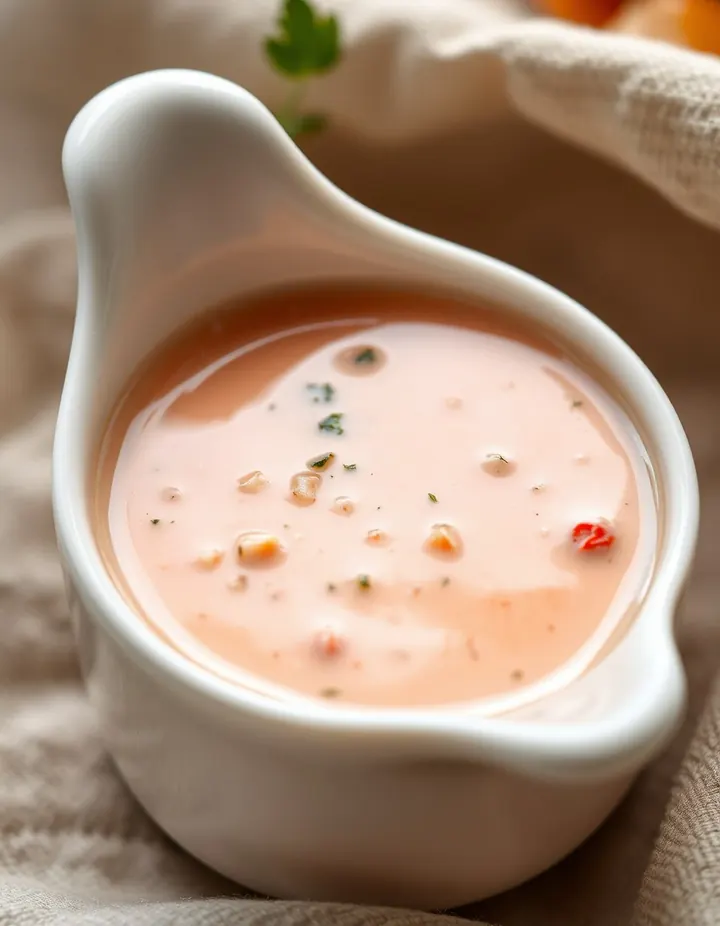 Lobster Sauce174 recipes
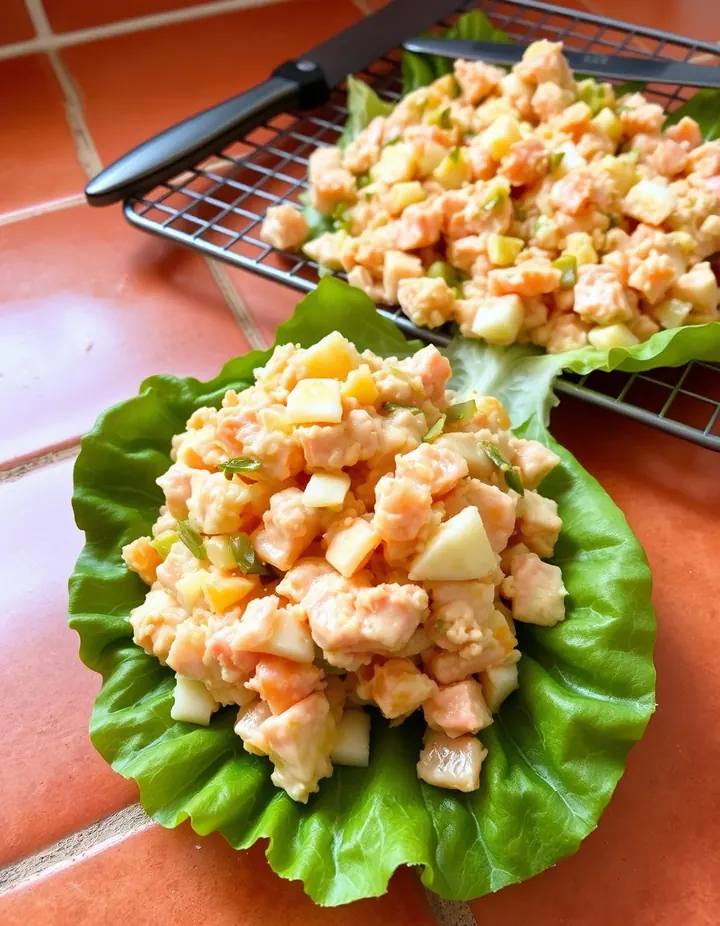 Salmon Salad155 recipes
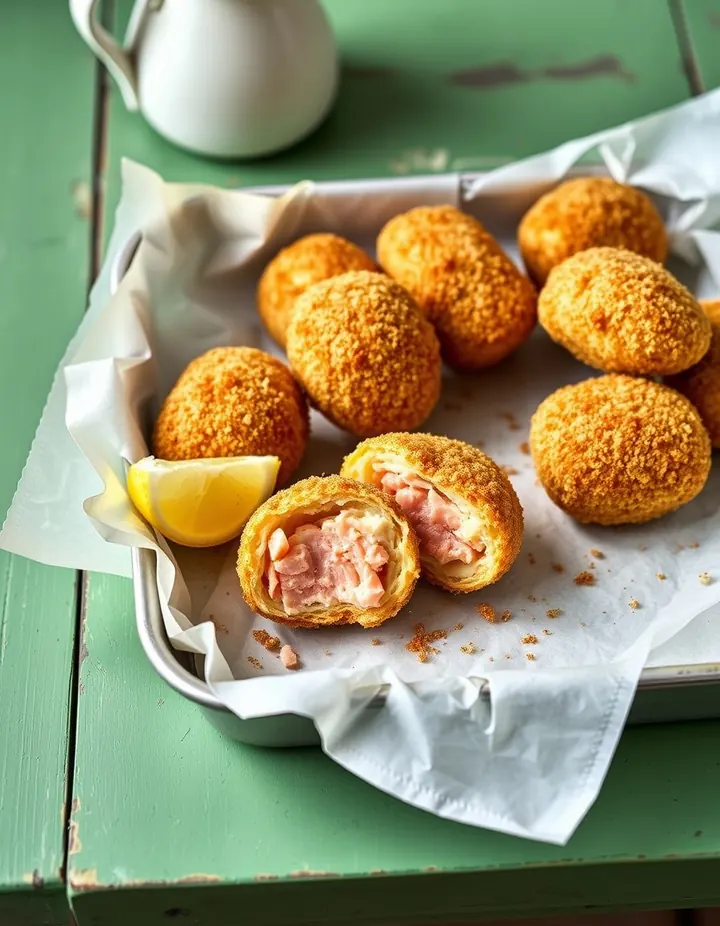 Salmon Croquettes129 recipes
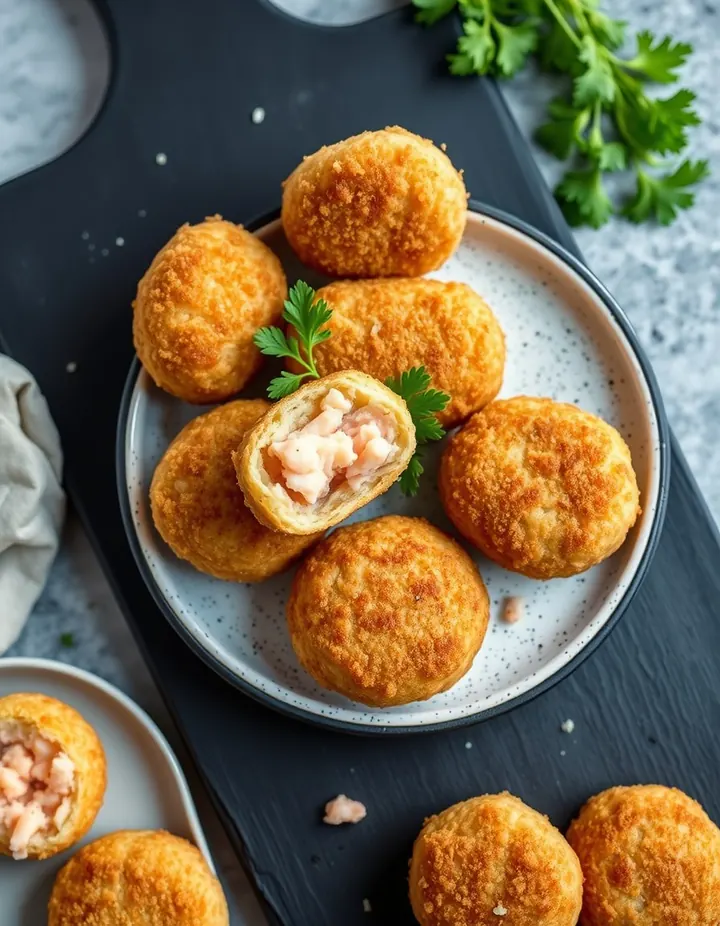 Lobster Croquettes99 recipes
The free Flavor Lab newsletter: one surprising pairing a week and the molecular reason it works, in 60 seconds. No spam, unsubscribe anytime.
Prefer an account? Create a free account to save pairings and unlock the full chemistry.