Why it works: Pepper and nutmeg match in chemistry and in kitchens. They rank in the top 7% of all ingredient pairs, and cooks put them together in 13,015 recipes. Both carry 4'-methylacetophenone, which smells bitter almond. The science ↓
Veal Pie, with Oysters
Ingredients
Directions
The book gives no oven temperature. The 350°F (175°C) in the steps was added when the recipe was transcribed, as a starting point.
Prepare the veal
Flatten the veal cutlet with a meat mallet.
Season the veal cutlet with pepper, coarse sea salt, and grated nutmeg.
Cut the seasoned veal cutlet into neat pieces.
Spread a thin layer of minced ham on each piece.
Roll the ham-coated pieces of veal up.
Layer and make the gravy
Place the rolled veal at the bottom of a pie dish.
Layer oysters on top of the rolled veal.
Repeat the layers until the dish is full.
Stew the bones and trimmings of the veal in stock or water.
Thicken the liquid with flour and butter.
Add the oyster liquor to the thickened liquid.
Pour the strained gravy over the meat.
Reserve some gravy for later.
Bake
Cover the pie with pastry.
Bake the pie at 350°F (175°C) for 1½ to 2 hours.
Transcribed from a scanned cookbook and modernised for today's kitchens. Where the book gave no heat or time, or said "a moderate oven", the temperatures and times here may be modern equivalents rather than the book's own figures.
Explore the science
The flavor team
The pairs that carry this dish. Each one is judged two ways: how much their aromas overlap, and how often cooks already put them together.
-
Pepper + nutmegtop 7% of all pairsSmell alikestrongCooked together13,015 recipes
Shared aroma: 4'-methylacetophenone (bitter almond).
-
Nutmeg + flourtop 8% of all pairsSmell alikemoderateCooked together18,623 recipes
Shared aroma: isobutyraldehyde (malty, green).
-
Flour + buttertop 12% of all pairsSmell alikelowCooked together124,287 recipes
Shared aroma: isobutyraldehyde (malty, green).
-
Oyster + buttertop 12% of all pairsSmell alikemoderateCooked together8,184 recipes
Shared aroma: 2,6-nonadienal (cucumber, green).
-
Ham + oystertop 13% of all pairsSmell alikemoderateCooked together360 recipes
Shared aroma: 1-octen-3-one (mushroom, metallic).
Flour and butter barely smell alike, yet cooks put them together in 124,287 recipes: they work on texture and structure more than aroma.
Ranks compare each pair with 20,000 random ingredient pairs on CompKitchen. How we score pairs
What each ingredient does
- Veal cutlet
- Forms the main meaty body of the pie and becomes tender during slow baking.
- Lean ham
- Adds savory, salty flavor that contrasts with the mild veal and oysters.
- Oysters
- Contribute briny, savory flavor and a soft texture to the filling.
- Flour
- Thickens the gravy so it coats the meat rather than running off.
- Butter
- Enriches the gravy with fat and helps the flour thicken it smoothly.
The step that matters
Thickening the gravy with flour and butter. Cooking flour and butter together into a roux before adding liquid prevents lumps and gives a smooth, stable gravy. Adding the liquid too early or without cooking the roux can leave raw flour taste or clumps.
Flavor stand-ins for the nutmeg
How well each one fits the dish's main ingredients (veal, pepper, ham, oyster, flour, butter):
- Parsleybetter flavor fit
- Capersabout as good a flavor fit
- Sageabout as good a flavor fit
- Nutmegthe original
Fit is the average pairing score against veal, pepper, ham, oyster, flour, butter. Candidates are from the same food group and used in at least 100 recipes. This compares flavor only: it does not check the job the ingredient does in the dish (bulk, moisture, acidity, structure).
“What each ingredient does” and “The step that matters” were written by Claude from this recipe’s own method and reviewed in samples by CompKitchen.
You might also like
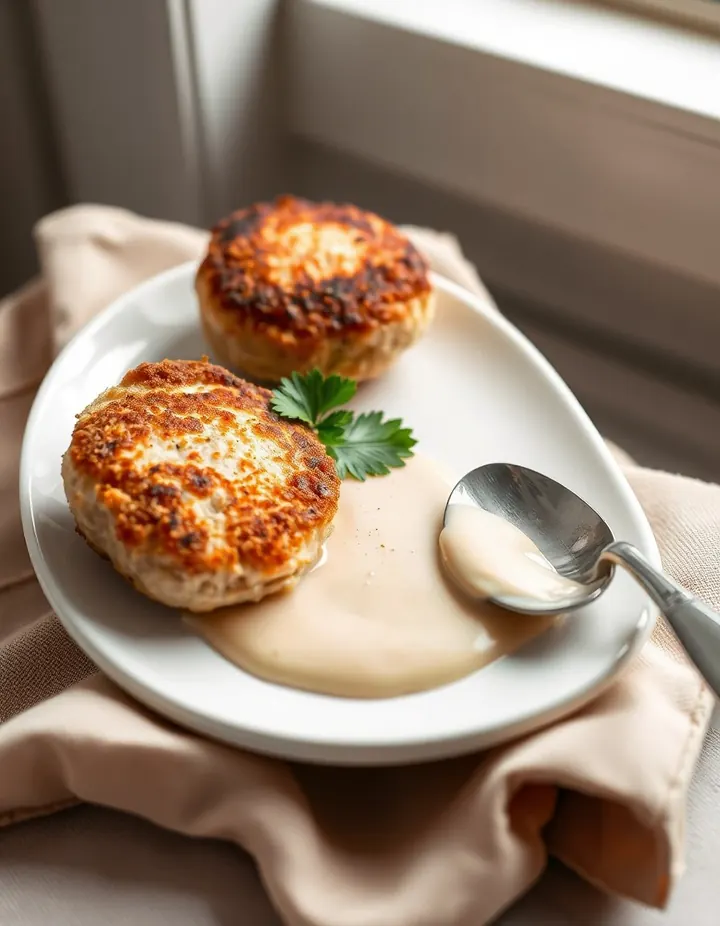 Veal Patties50 recipes
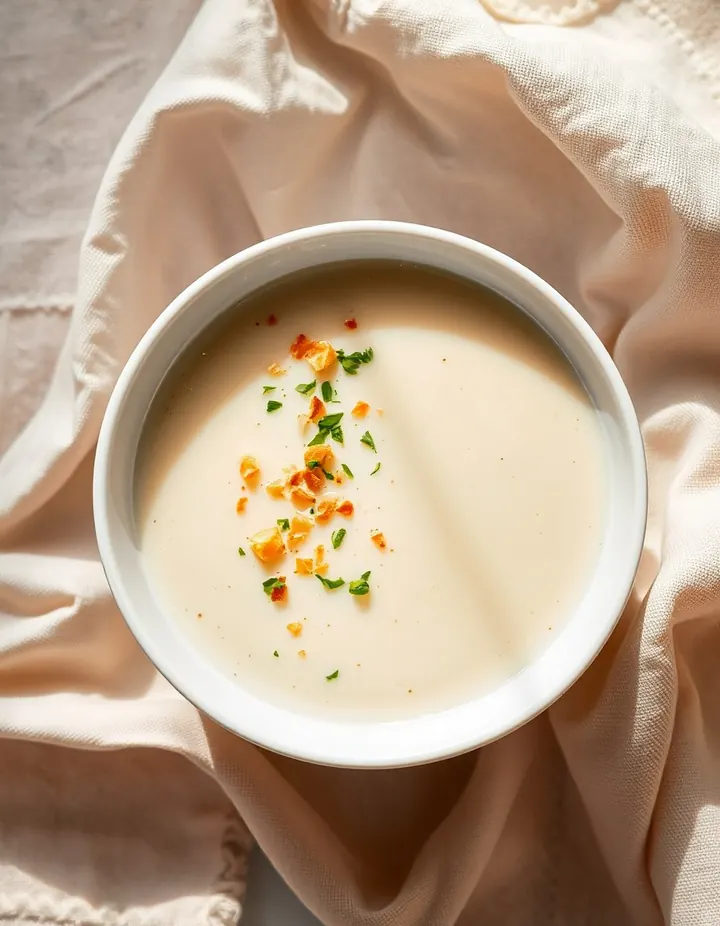 Mock Oyster Soup21 recipes
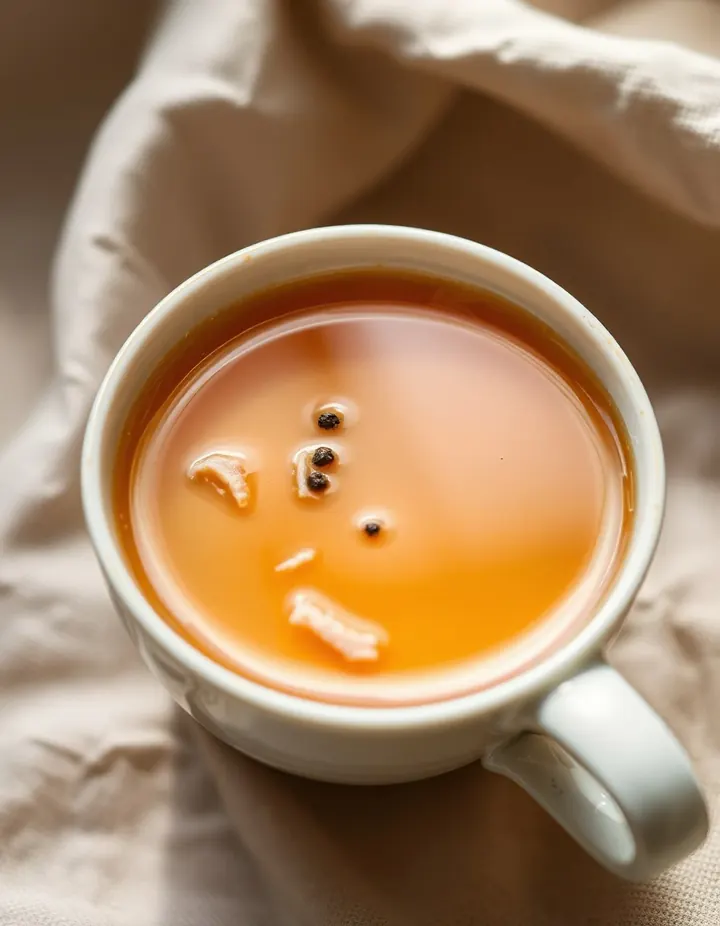 Beef, Mutton, or Veal Broth6 recipes
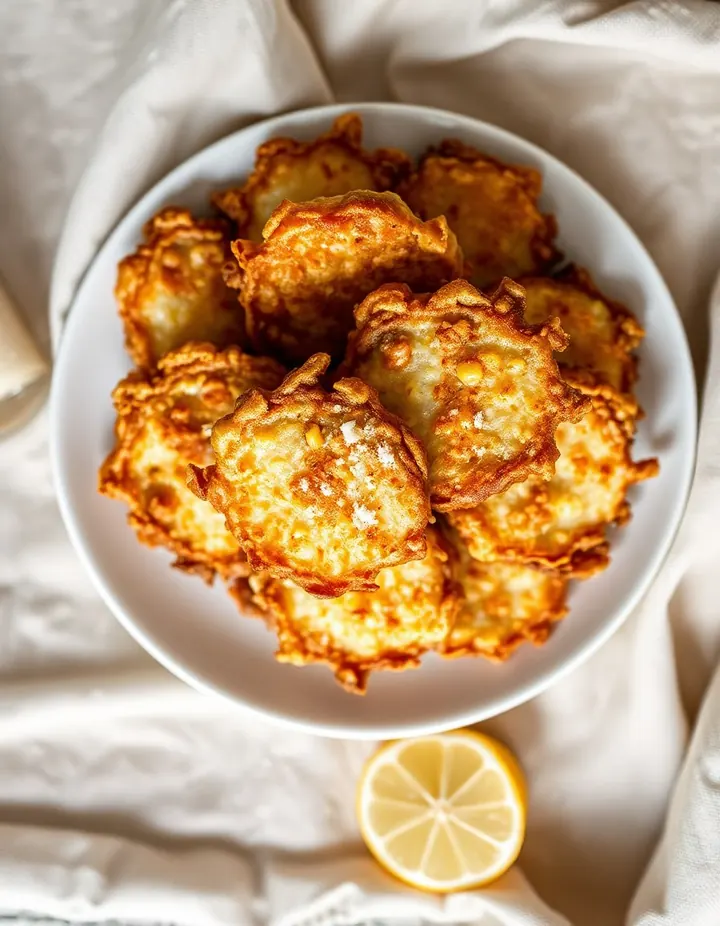 Corn Fritters6 recipes
The free Flavor Lab newsletter: one surprising pairing a week and the molecular reason it works, in 60 seconds. No spam, unsubscribe anytime.
Prefer an account? Create a free account for sign-in; Pro adds the full results and chemistry.