Why it works: Sugar and syrup match in chemistry and in kitchens. They rank in the top 6% of all ingredient pairs, and cooks put them together in 5,842 recipes. Both carry ethanol, which smells alcoholic, ethereal. The science ↓
Wine, Gilliflower
Ingredients
Directions
Make the liquor
In a large pot, combine 3 gallons of water and 6 pounds of powdered white sugar.
Boil the mixture for 30 minutes, skimming off any scum that rises.
Allow the mixture to cool.
Add the flowers and yeast
In a bowl, mix 3 ounces of syrup of betony with 1 tablespoon of ale yeast.
Add this mixture to the cooled liquid and stir well.
Remove the gilliflowers from the stalks and add them to the liquid.
Cover with a cloth and let it infuse for 3 days.
Strain and settle
Strain the wine and transfer it to a cask.
Let it settle for 3 to 4 weeks before bottling.
Transcribed from a scanned cookbook and modernised for today's kitchens. Where the book gave no heat or time, or said "a moderate oven", the temperatures and times here may be modern equivalents rather than the book's own figures.
Explore the science
The flavor team
The pairs that carry this dish. Each one is judged two ways: how much their aromas overlap, and how often cooks already put them together.
-
Sugar + syruptop 6% of all pairsSmell alikestrongCooked together5,842 recipes
Shared aroma: ethanol (alcoholic, ethereal).
Ranks compare each pair with 20,000 random ingredient pairs on CompKitchen. How we score pairs
What each ingredient does
- Powdered white sugar
- Provides the sweetness and the fermentable sugar that the yeast converts into alcohol.
- Ale yeast
- Ferments the sugar into alcohol and carbon dioxide, turning the sweet liquid into wine.
- Gilliflowers
- Infuse the liquid during steeping, adding their aroma and flavour to the wine.
- Syrup of betony
- Adds sweetness and its own flavour to the mixture that is combined with the yeast.
The step that matters
Let the mixture cool before adding the yeast. Yeast is killed by hot liquid. Adding the yeast mixture only after the boiled liquid has cooled keeps it alive so it can ferment the sugar.
“What each ingredient does” and “The step that matters” were written by Claude from this recipe’s own method and reviewed in samples by CompKitchen.
You might also like
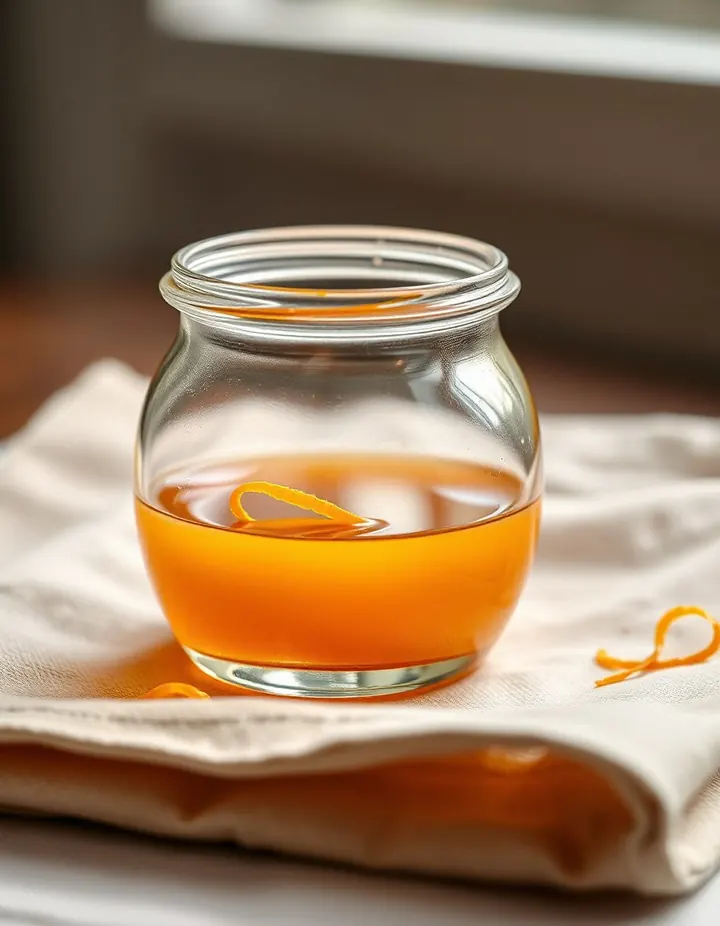 Orange Syrup47 recipes
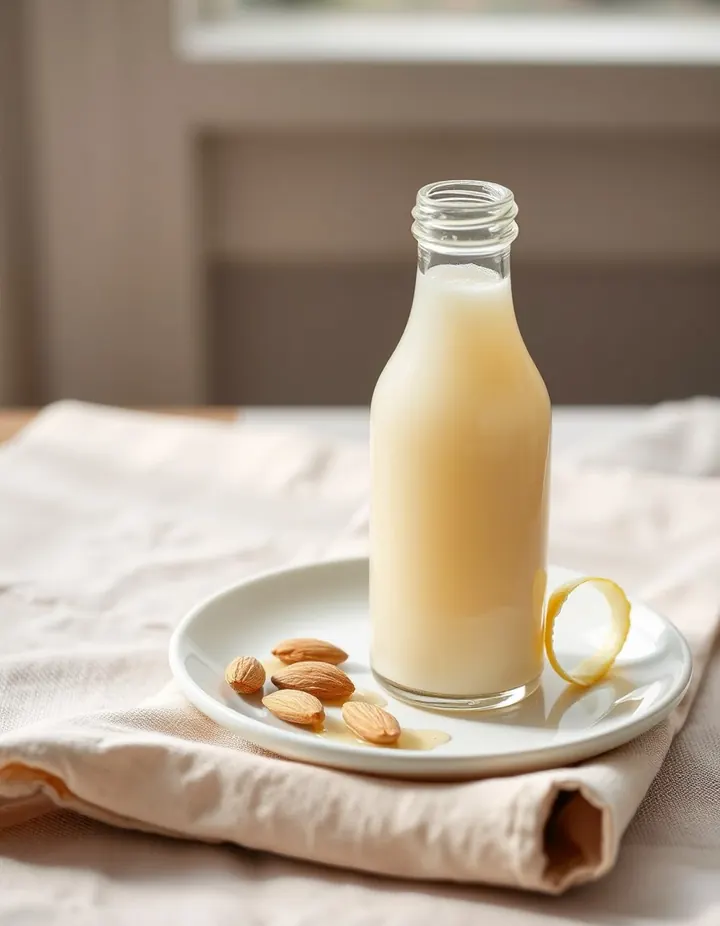 Orgeat Syrup13 recipes
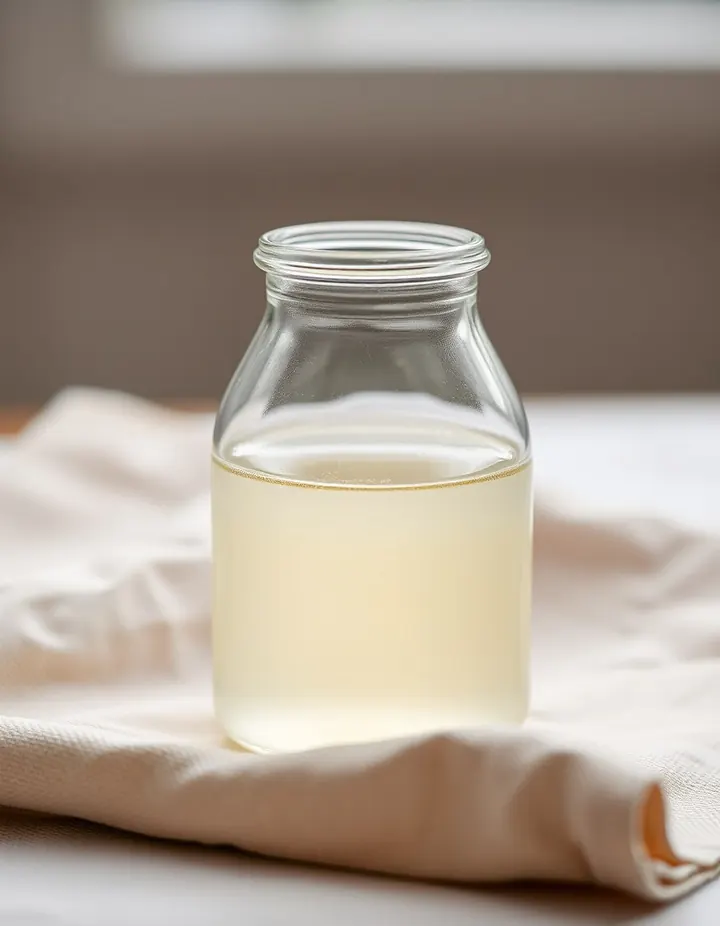 Simple Syrup13 recipes
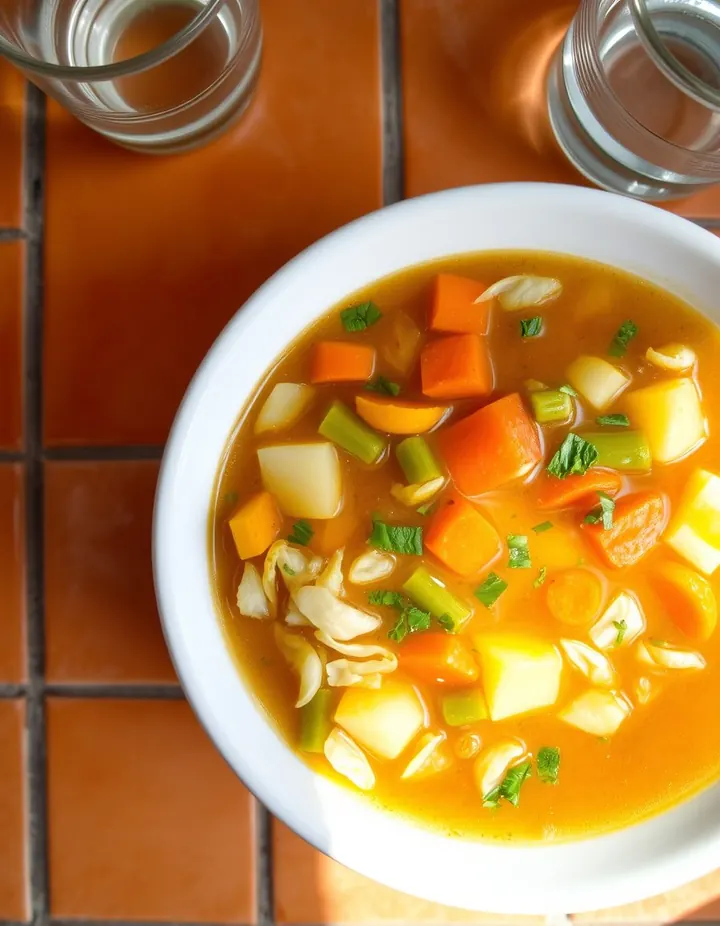 Vegetable Soup350 recipes
The free Flavor Lab newsletter: one surprising pairing a week and the molecular reason it works, in 60 seconds. No spam, unsubscribe anytime.
Prefer an account? Create a free account to save pairings and unlock the full chemistry.