Why it works: Pepper and lemon match in chemistry and in kitchens. They rank in the top 3% of all ingredient pairs, and cooks put them together in 27,047 recipes. Both carry trans-2-nonenal, which smells cardboard, fatty. The science ↓
Matelot of Haddock and Oysters
Ingredients
Directions
Prepare the broth
Remove the fillets from the haddock and cut into pieces three inches by two.
Cover the head, tail, and trimmings with oyster liquor and water.
Add a slice or two of onion, sweet herbs, and a bit of carrot.
Let simmer to form a broth.
Prepare the onions
Boil the onions separately until nearly tender.
Cut the boiled onions into even slices.
Cook and finish
In a saucepan, layer onion slices.
Arrange the fish fillets and oysters on top of the onion layer.
Dust with salt and pepper.
Add the juice of the lemon and the remaining onion slices.
Strain the broth over the whole and close the pan tightly.
Simmer gently until the fillets are tender.
Strain off the broth.
Arrange the fillets on a hot dish.
Pour the broth thickened with the diluted egg yolks over the fillets. Do not let it boil after adding the yolks.
Transcribed from a scanned cookbook and modernised for today's kitchens. Where the book gave no heat or time, or said "a moderate oven", the temperatures and times here may be modern equivalents rather than the book's own figures.
Explore the science
The flavor team
The pairs that carry this dish. Each one is judged two ways: how much their aromas overlap, and how often cooks already put them together.
-
Pepper + lemontop 3% of all pairsSmell alikestrongCooked together27,047 recipes
Shared aroma: trans-2-nonenal (cardboard, fatty).
-
Pepper + oniontop 11% of all pairsSmell alikemoderateCooked together68,474 recipes
Shared aroma: 2-isopropyl-3-methoxypyrazine (earthy, pea).
-
Egg + oystertop 14% of all pairsSmell alikemoderateCooked together4,103 recipes
Shared aroma: 2-nonenal (fatty, green).
-
Haddock + oystertop 17% of all pairsSmell alikemoderateCooked together88 recipes
Shared aroma: ethanol (alcoholic, ethereal).
-
Egg + lemontop 19% of all pairsSmell alikelowCooked together44,316 recipes
Shared aroma: (e,e)-2,4-decadienal (fatty, deep fried).
Egg and lemon barely smell alike, yet cooks put them together in 44,316 recipes: they work on texture and structure more than aroma.
Ranks compare each pair with 20,000 random ingredient pairs on CompKitchen. How we score pairs
What each ingredient does
- Haddock
- Forms the main body of the stew and flakes into tender pieces when simmered gently.
- Egg yolks
- Thicken the broth into a smooth, creamy sauce when heated gently.
- Oysters
- Add a briny, savoury flavour that deepens the taste of the broth.
- Onions
- Provide sweetness and body as they soften and blend into the stew.
The step that matters
Do not let it boil after adding the yolks. Egg yolks scramble and curdle when overheated, so the broth must stay below boiling to remain smooth and thickened.
Swap the onion
How well each one fits the dish's main ingredients (haddock, egg, oyster, pepper, lemon):
- Spinachfits better
- Asparagusfits better
- Shallotfits better
- Onionthe original
Fit is the average pairing score against haddock, egg, oyster, pepper, lemon. Candidates are from the same food group and used in at least 100 recipes.
“What each ingredient does” and “The step that matters” were written by Claude from this recipe’s own method and reviewed in samples by CompKitchen.
You might also like
 Lemon Sauce236 recipes
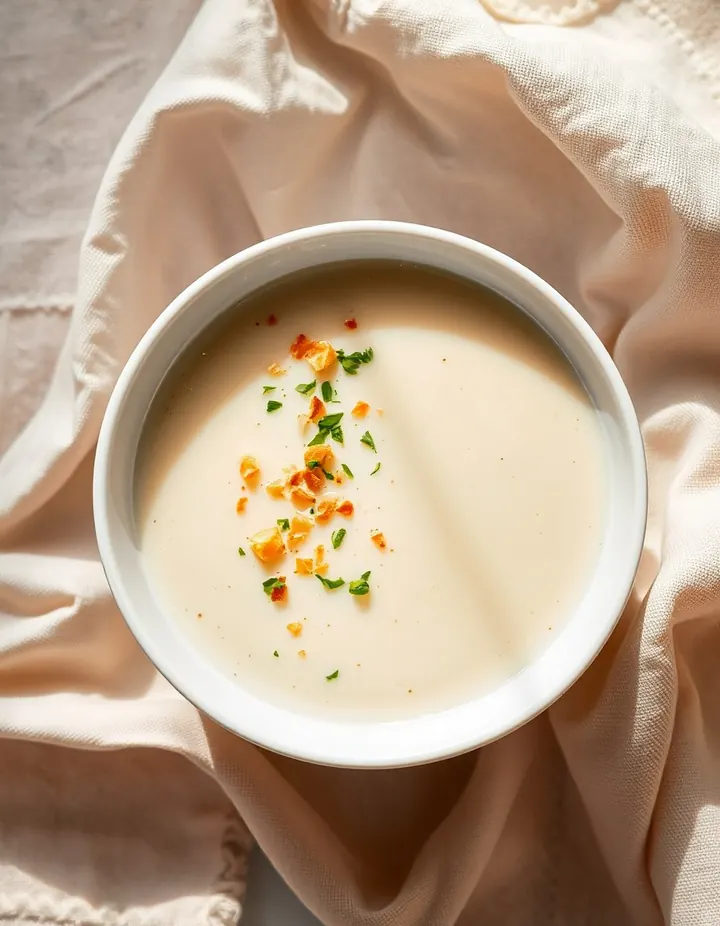 Mock Oyster Soup21 recipes
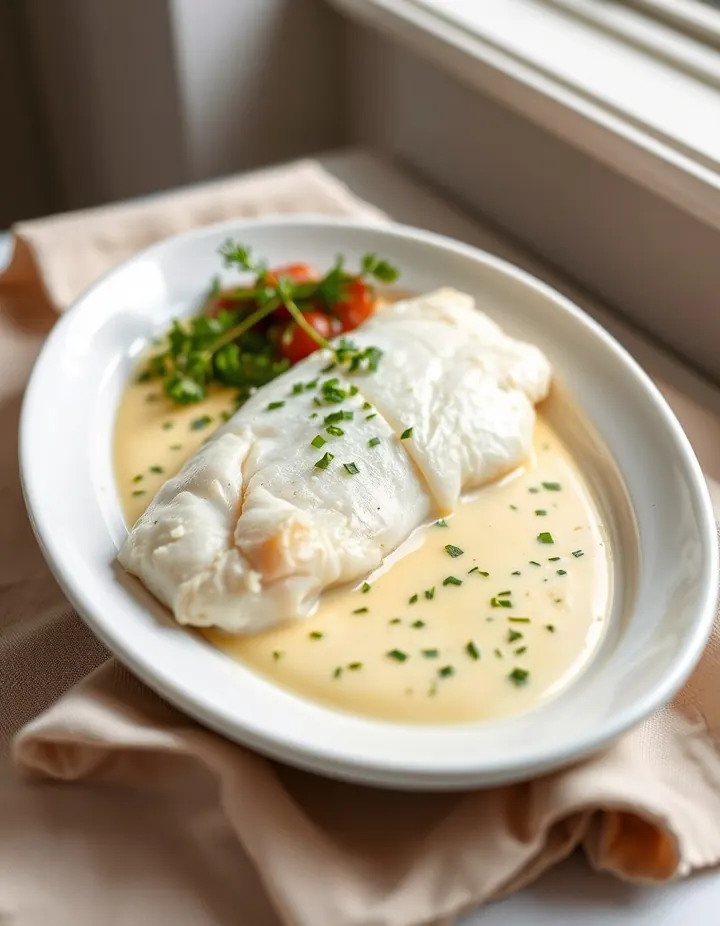 Boiled Haddock10 recipes
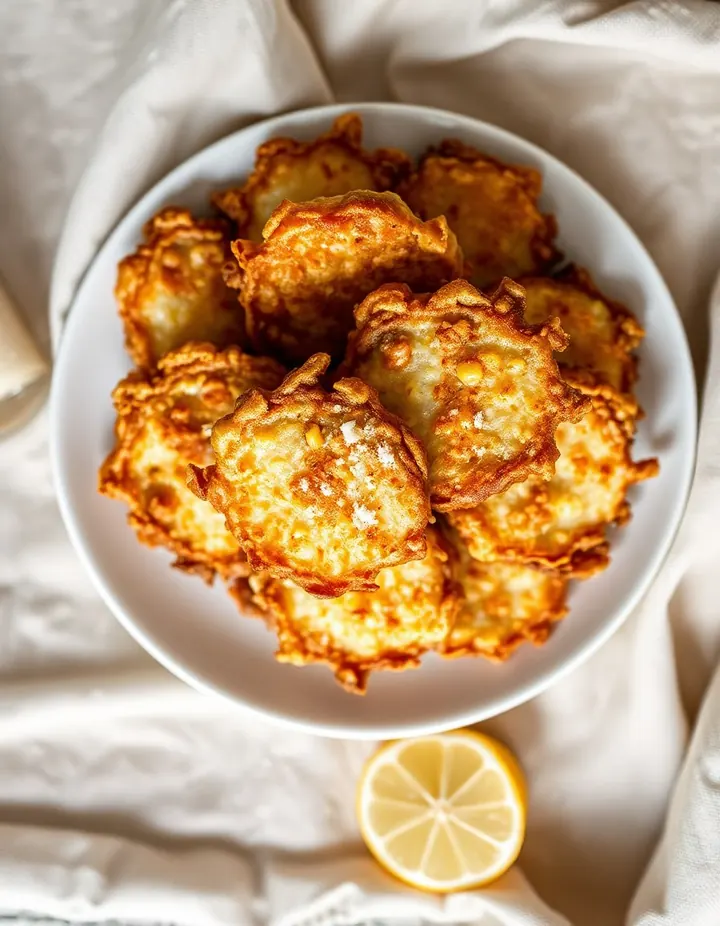 Corn Fritters6 recipes
The free Flavor Lab newsletter: one surprising pairing a week and the molecular reason it works, in 60 seconds. No spam, unsubscribe anytime.
Prefer an account? Create a free account to save pairings and unlock the full chemistry.