Why it works: Lemon and anise share more aroma than cooks usually use. They rank in the top 6% of all ingredient pairs, and cooks put them together in 91 recipes. Both carry alpha-pinene, which smells pine, turpentine. The science ↓
Boston Cream Cakes
Ingredients
Directions
The book says “a slow oven”. The 300°F (150°C) in the steps is the modern equivalent, not the book's own figure.
Make the dough
Beat the yolks of the eggs until light and thick, then beat the egg whites until dry and combine both mixtures.
Gradually add the sifted sugar and grated lemon rind while beating continuously.
Sift in the flour and baking powder, mixing until combined.
Knead the dough lightly, cover, and chill for 2-3 hours.
Shape and dry
Roll out small pieces of dough to ⅛ inch thick.
Dust the dough lightly with flour and press a wooden springerle mold firmly onto it.
Cut out squares with a knife and place them on a floured board to dry overnight.
In the morning, transfer the squares to buttered baking tins and sprinkle with anise seed.
Bake
Bake in a slow oven at 300°F (150°C) until light straw colored.
Transcribed from a scanned cookbook and modernised for today's kitchens. Where the book gave no heat or time, or said "a moderate oven", the temperatures and times here may be modern equivalents rather than the book's own figures.
Explore the science
The flavor team
The pairs that carry this dish. Each one is judged two ways: how much their aromas overlap, and how often cooks already put them together.
-
Lemon + anisetop 6% of all pairsSmell alikestrongCooked together91 recipes
Shared aroma: alpha-pinene (pine, turpentine).
-
Flour + anisetop 9% of all pairsSmell alikemoderateCooked together270 recipes
Shared aroma: isobutyraldehyde (malty, green).
-
Flour + buttertop 12% of all pairsSmell alikelowCooked together124,287 recipes
Shared aroma: isobutyraldehyde (malty, green).
-
Sugar + flourtop 15% of all pairsSmell alikemoderateCooked together92,116 recipes
Shared aroma: phenylacetaldehyde (hawthorne, honey).
-
Egg + flourtop 15% of all pairsSmell alikelowCooked together106,462 recipes
Shared aroma: isobutyraldehyde (malty, green).
Flour and butter barely smell alike, yet cooks put them together in 124,287 recipes: they work on texture and structure more than aroma.
Ranks compare each pair with 20,000 random ingredient pairs on CompKitchen. How we score pairs
What each ingredient does
- Eggs
- Egg yolks and whites give the dough its structure and lightness when beaten.
- Sugar
- Sweetens the dough and helps it brown lightly during baking.
- Flour
- Forms the structure of the dough once it is mixed and chilled.
- Baking powder
- Releases gas during baking so the cakes rise and become lighter.
The step that matters
Beating the egg whites until dry. Whites beaten to stiff foam trap air that lifts the batter; underbeaten whites produce dense cakes, and combining them gently keeps that air in.
Swap the anise
How well each one fits the dish's main ingredients (egg, lemon, sugar, flour, butter):
- Cinnamonfits better
- Nutmegfits better
- Parsleyfits better
- Anisethe original
Fit is the average pairing score against egg, lemon, sugar, flour, butter. Candidates are from the same food group and used in at least 100 recipes.
“What each ingredient does” and “The step that matters” were written by Claude from this recipe’s own method and reviewed in samples by CompKitchen.
You might also like
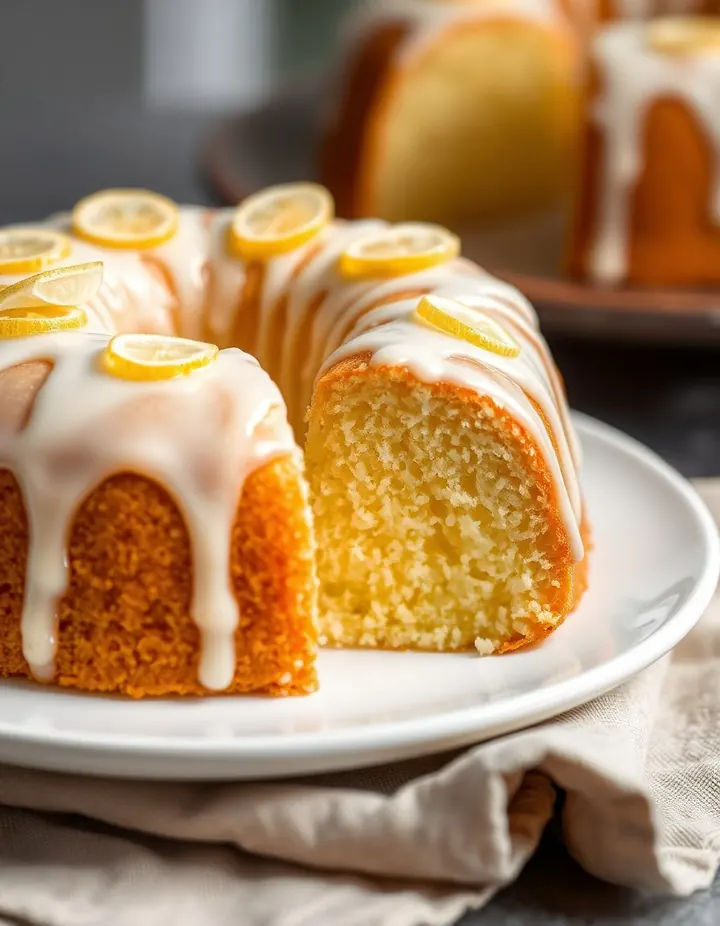 Lemon Cake228 recipes
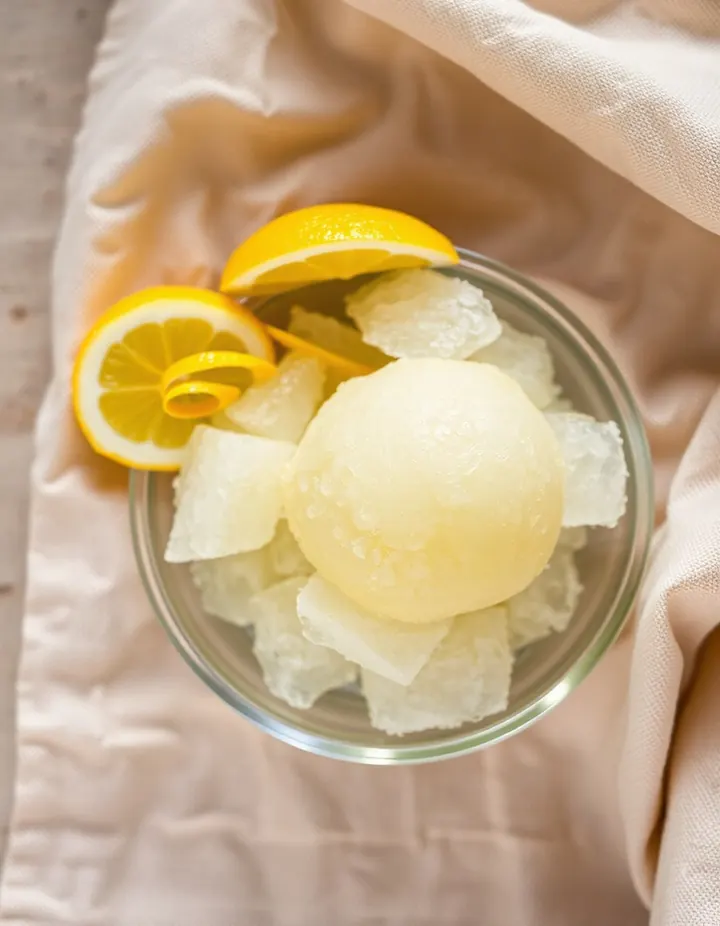 Lemon Ice147 recipes
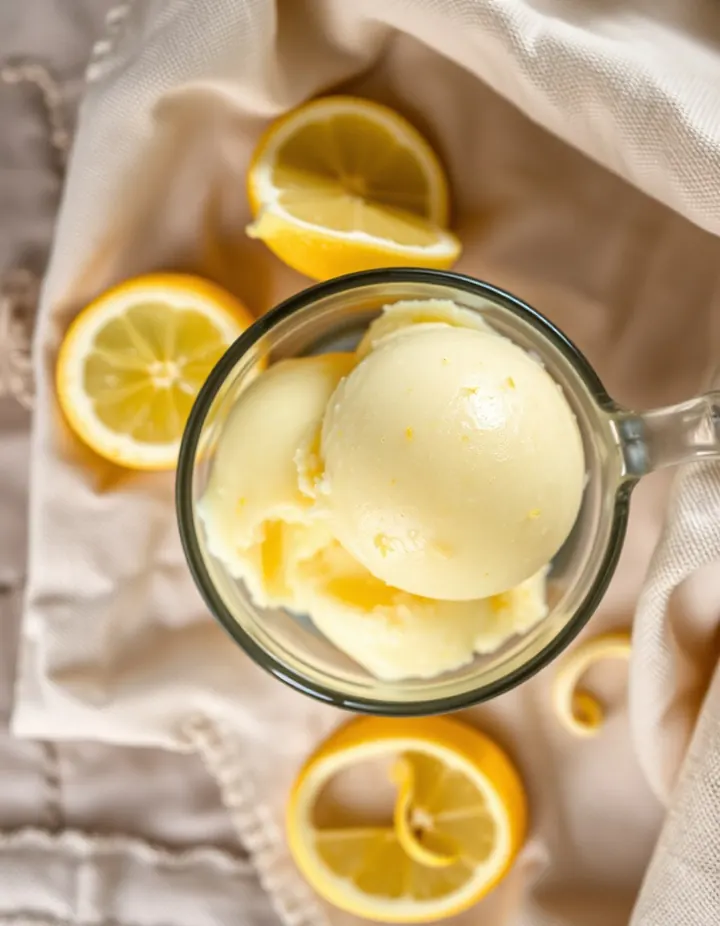 Lemon Sherbet103 recipes
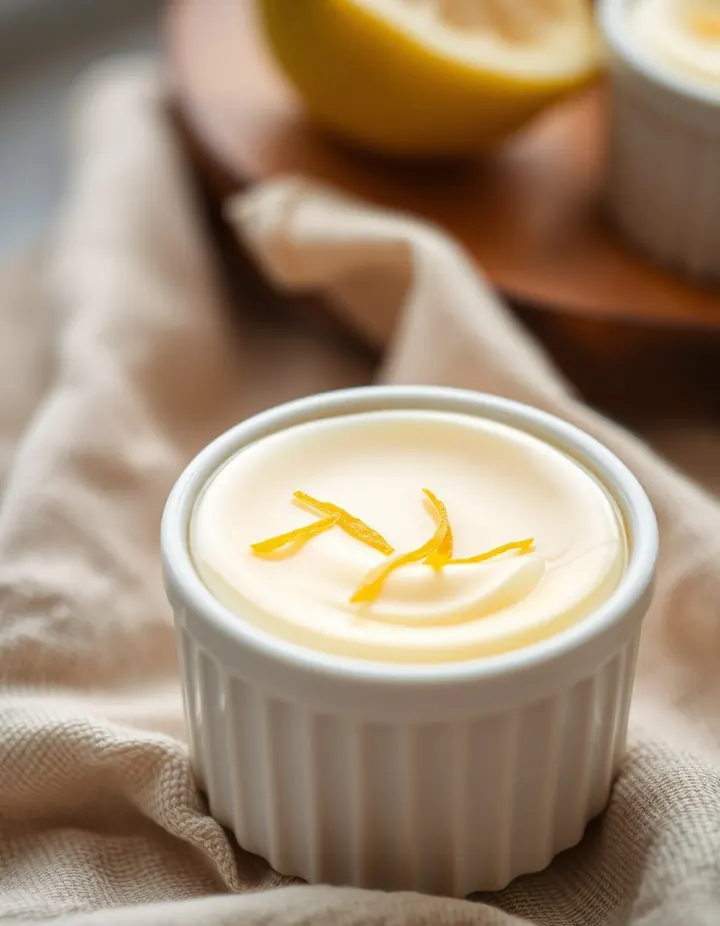 Lemon Custard64 recipes
The free Flavor Lab newsletter: one surprising pairing a week and the molecular reason it works, in 60 seconds. No spam, unsubscribe anytime.
Prefer an account? Create a free account to save pairings and unlock the full chemistry.