Why it works: White wine and brandy work together. They rank in the top 9% of all ingredient pairs, and cooks put them together in 620 recipes. Both carry beta-damascenone, which smells apple, rose. The science ↓
Oyster Catsup
Ingredients
Directions
Prepare the oysters
Remove all pieces of shell from the oysters.
In a mortar, combine oysters, salt, mace, and cayenne pepper; pound to a smooth paste.
Cook the ketchup
Transfer the paste to a pot and add an equal amount of white wine.
Heat slowly, then boil for 5 minutes.
Rub the mixture through a fine sieve and boil again for 5 minutes, skimming clear.
Cool the catsup, then add brandy.
Bottle, cork, and seal the catsup.
Transcribed from a scanned cookbook and modernised for today's kitchens. Where the book gave no heat or time, or said "a moderate oven", the temperatures and times here may be modern equivalents rather than the book's own figures.
Explore the science
The flavor team
The pairs that carry this dish. Each one is judged two ways: how much their aromas overlap, and how often cooks already put them together.
-
White wine + brandytop 9% of all pairsSmell alikemoderateCooked together620 recipes
Shared aroma: beta-damascenone (apple, rose).
-
Pepper + white winetop 15% of all pairsSmell alikemoderateCooked together5,433 recipes
Shared aroma: 2-isopropyl-3-methoxypyrazine (earthy, pea).
-
Mace + peppertop 16% of all pairsSmell alikelowCooked together12,257 recipes
Shared aroma: myristicin (spice, warm).
-
Oyster + white winetop 16% of all pairsSmell alikelowCooked together518 recipes
Shared aroma: 2,3-pentanedione (butter, sweet).
-
Mace + white winetop 16% of all pairsSmell alikelowCooked together1,329 recipes
Shared aroma: myrcene (balsamic, herbaceous).
Mace and pepper barely smell alike, yet cooks put them together in 12,257 recipes: they work on texture and structure more than aroma.
Ranks compare each pair with 20,000 random ingredient pairs on CompKitchen. How we score pairs
What each ingredient does
- Oysters
- Provide the main body and savory flavor of the ketchup once pounded into a paste.
- Coarse sea salt
- Seasons the oysters and helps draw out moisture while they are pounded into a paste.
- Powdered mace
- Adds warm, aromatic spice flavor that complements the oysters.
- Cayenne pepper
- Adds heat and sharpness that balances the richness of the oysters.
- White wine
- Thins the paste and adds acidity and bright flavor during cooking.
- Brandy
- Added after cooling to contribute aroma and preserve the finished ketchup.
The step that matters
Rub the mixture through a fine sieve and skim while boiling. Sieving removes shell fragments and solids so the sauce is smooth, and skimming removes foam and impurities so the finished ketchup stays clear.
Swap the mace
How well each one fits the dish's main ingredients (oyster, pepper, white wine, brandy):
- Thymefits better
- Clovefits better
- Marjoramfits better
- Macethe original
Fit is the average pairing score against oyster, pepper, white wine, brandy. Candidates are from the same food group and used in at least 100 recipes.
“What each ingredient does” and “The step that matters” were written by Claude from this recipe’s own method and reviewed in samples by CompKitchen.
You might also like
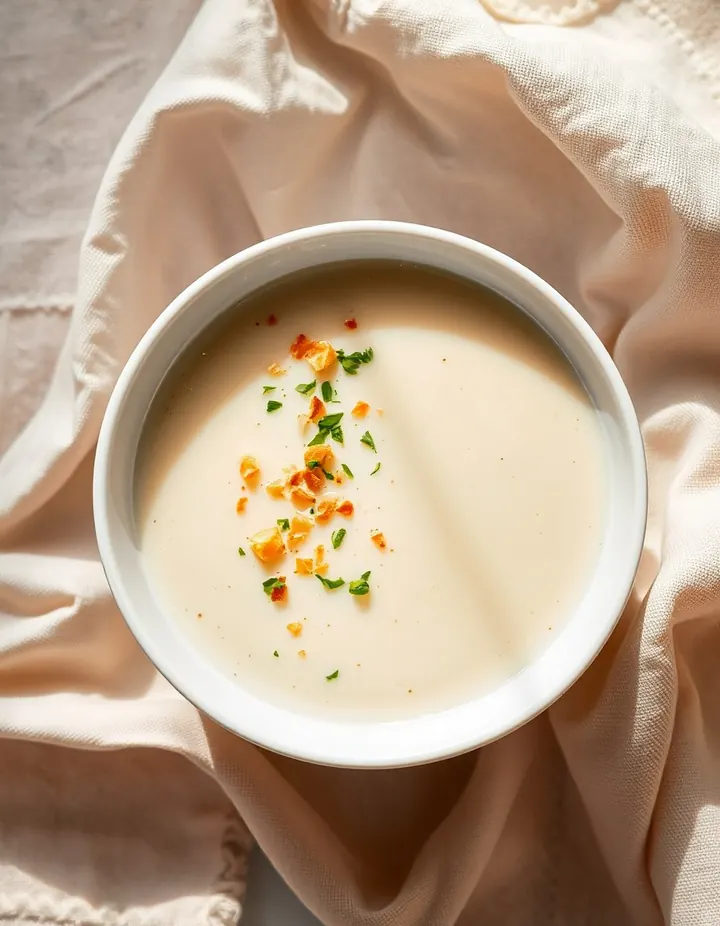 Mock Oyster Soup21 recipes
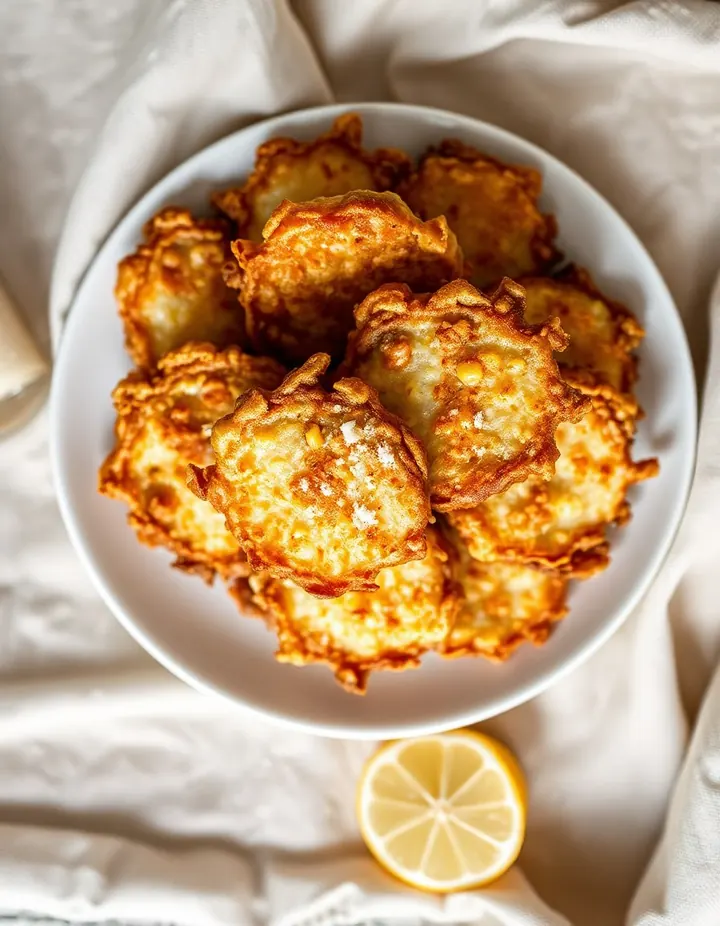 Corn Fritters6 recipes
 Tomato Soup526 recipes
 Brown Bread461 recipes
The free Flavor Lab newsletter: one surprising pairing a week and the molecular reason it works, in 60 seconds. No spam, unsubscribe anytime.
Prefer an account? Create a free account to save pairings and unlock the full chemistry.