Why it works: Pepper and potato are a kitchen classic. They rank in the top 9% of all ingredient pairs, and cooks put them together in 8,305 recipes. Both carry 2-isopropyl-3-methoxypyrazine, which smells earthy, pea. The science ↓
Calf's Liver Rolls
Ingredients
Directions
The book says “a moderate oven”. The 350°F in the steps is the modern equivalent, not the book's own figure.
Prepare the liver
Scald the liver.
Remove the skin from the liver.
Season the liver slices with salt and pepper.
Make and roll the filling
Mix the sausage meat or veal with salt, pepper, and any powdered sweet herb except sage.
Add the raw egg to the meat mixture.
Spread the meat mixture over the liver slices.
Roll the liver slices.
Tie the rolls with string.
Brown and bake
Heat enough butter or beef dripping in a frying pan to cover the bottom.
Brown the liver rolls in the hot fat.
Wash the new potatoes.
Place the browned liver rolls in an earthen baking dish with the potatoes.
Stir the flour into the frying pan.
Brown the flour in the pan.
Gradually stir in the boiling water.
Season the gravy with salt and pepper.
Pour the gravy over the liver and potatoes in the baking dish.
Bake in a moderate oven (350°F/175°C) for about 30 minutes or until the potatoes are done.
Serve hot in the same dish.
Transcribed from a scanned cookbook and modernised for today's kitchens. Where the book gave no heat or time, or said "a moderate oven", the temperatures and times here may be modern equivalents rather than the book's own figures.
Explore the science
The flavor team
The pairs that carry this dish. Each one is judged two ways: how much their aromas overlap, and how often cooks already put them together.
-
Pepper + potatotop 9% of all pairsSmell alikemoderateCooked together8,305 recipes
Shared aroma: 2-isopropyl-3-methoxypyrazine (earthy, pea).
-
Butter + flourtop 12% of all pairsSmell alikelowCooked together124,287 recipes
Shared aroma: isobutyraldehyde (malty, green).
-
Butter + potatotop 13% of all pairsSmell alikemoderateCooked together6,456 recipes
Shared aroma: (z)-4-heptenal (biscuit, cream).
-
Meat + potatotop 14% of all pairsSmell alikemoderateCooked together786 recipes
Shared aroma: 1-octen-3-one (mushroom, metallic).
-
Potato + flourtop 15% of all pairsSmell alikemoderateCooked together5,355 recipes
Shared aroma: isobutyraldehyde (malty, green).
Butter and flour barely smell alike, yet cooks put them together in 124,287 recipes: they work on texture and structure more than aroma.
Ranks compare each pair with 20,000 random ingredient pairs on CompKitchen. How we score pairs
What each ingredient does
- Calf's liver
- Forms the main body of the rolls and gives a rich, savoury flavour when browned.
- Sausage meat or chopped raw veal
- Adds moisture and a tender, binding filling around the liver.
- Raw egg
- Helps bind the meat filling so it holds its shape around the liver.
- Flour
- Browned in the pan fat and boiled water to thicken the gravy.
- New potatoes
- Absorb the gravy as they bake, becoming soft and flavourful.
The step that matters
Brown the flour in the pan. Cooking flour in fat until it turns golden removes raw starchy taste and builds nutty flavour before the liquid is added, and stirring in the boiling water quickly prevents lumps.
Swap the potato
How well each one fits the dish's main ingredients (liver, pepper, meat, egg, butter, flour):
- Shallotfits better
- Asparagusfits about as well
- Chivefits about as well
- Potatothe original
Fit is the average pairing score against liver, pepper, meat, egg, butter, flour. Candidates are from the same food group and used in at least 100 recipes.
“What each ingredient does” and “The step that matters” were written by Claude from this recipe’s own method and reviewed in samples by CompKitchen.
You might also like
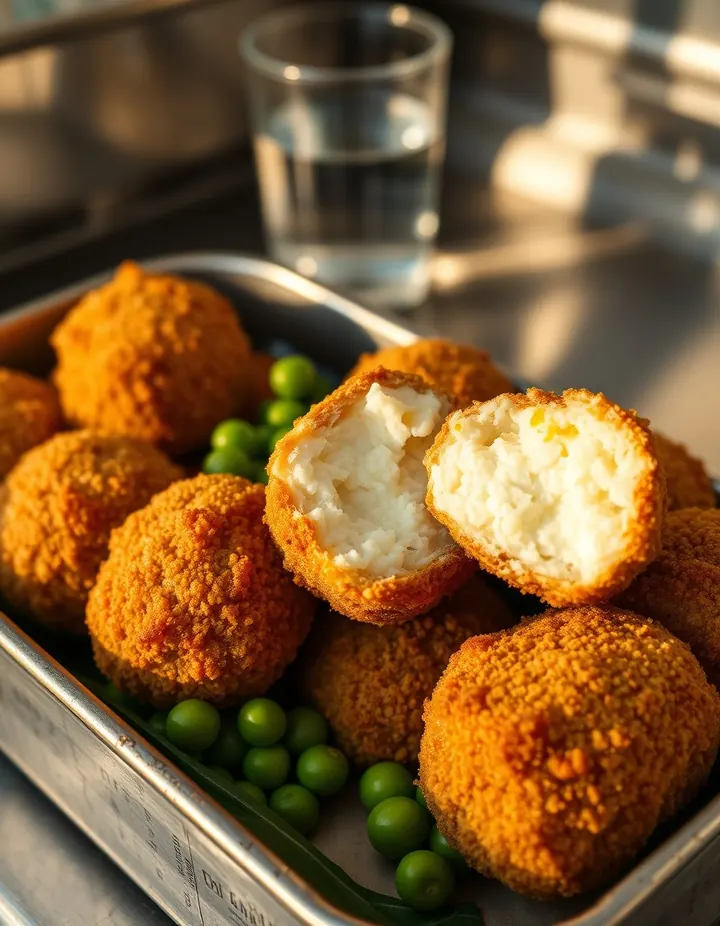 Potato Croquettes255 recipes
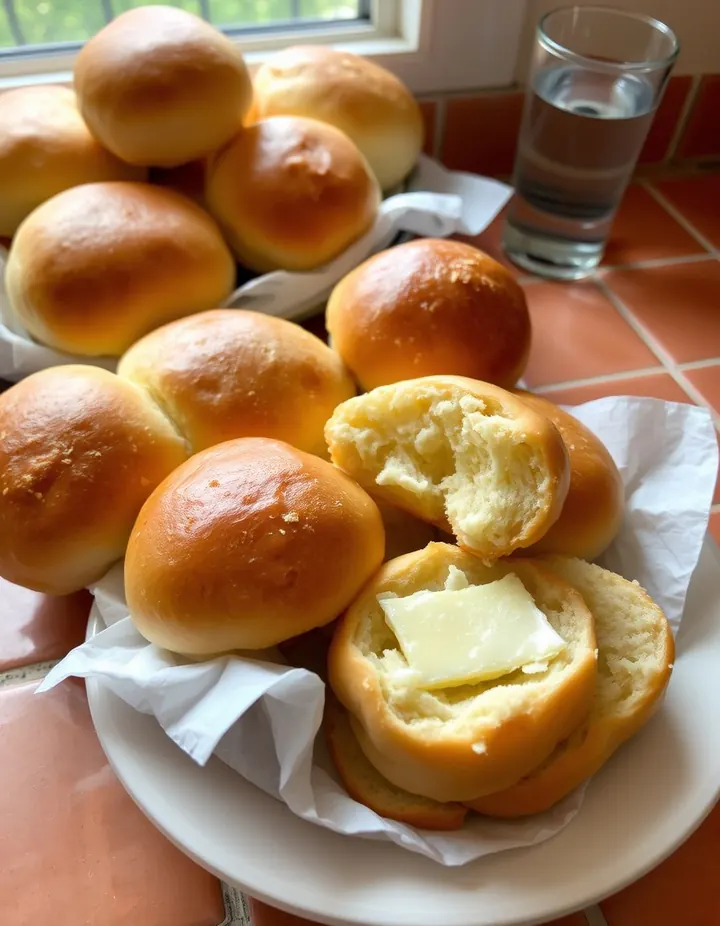 Potato Rolls78 recipes
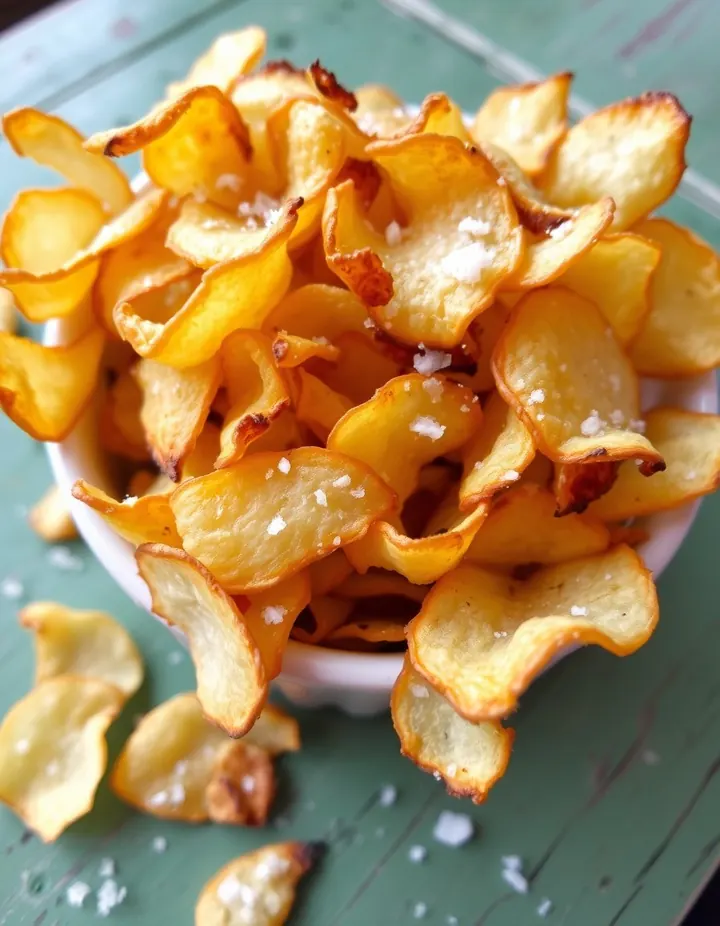 Potato Chips53 recipes
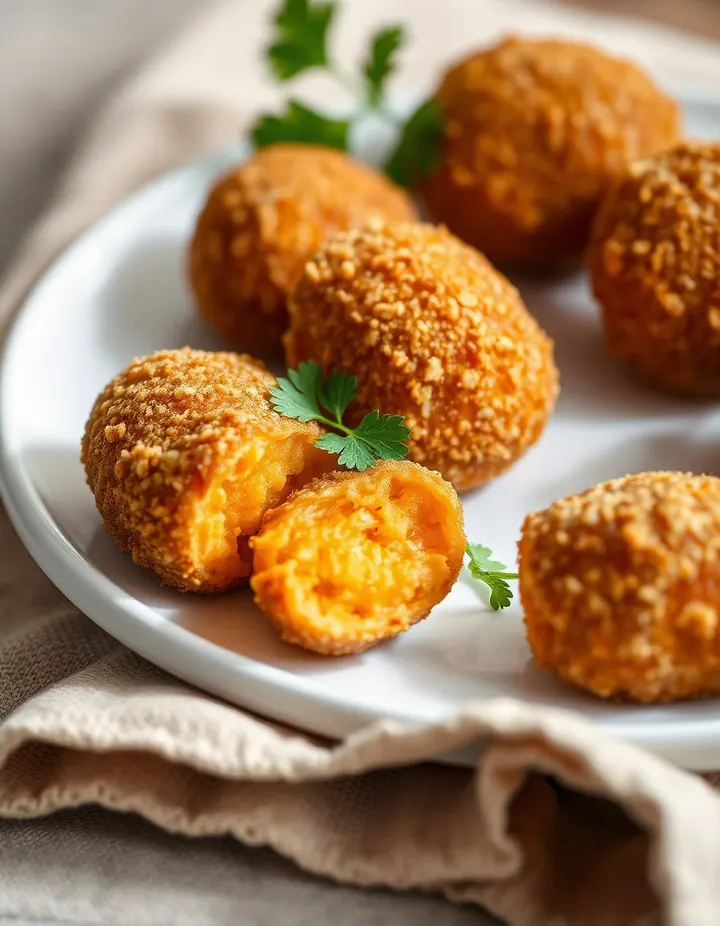 Sweet Potato Croquettes53 recipes
The free Flavor Lab newsletter: one surprising pairing a week and the molecular reason it works, in 60 seconds. No spam, unsubscribe anytime.
Prefer an account? Create a free account to save pairings and unlock the full chemistry.