Why it works: Potato and butter match in chemistry and in kitchens. They rank in the top 6% of all ingredient pairs, and 6,445 recipes mention both. Both carry (z)-4-heptenal, which smells biscuit, cream. The science ↓
The recipe
Ingredients
Contains: egg, milk (auto-detected from the ingredients and method; we can miss things, so check labels)
Directions
The book gives no oven temperature. The 400°F (200°C) in the steps was added when the recipe was transcribed, as a starting point.
Prepare
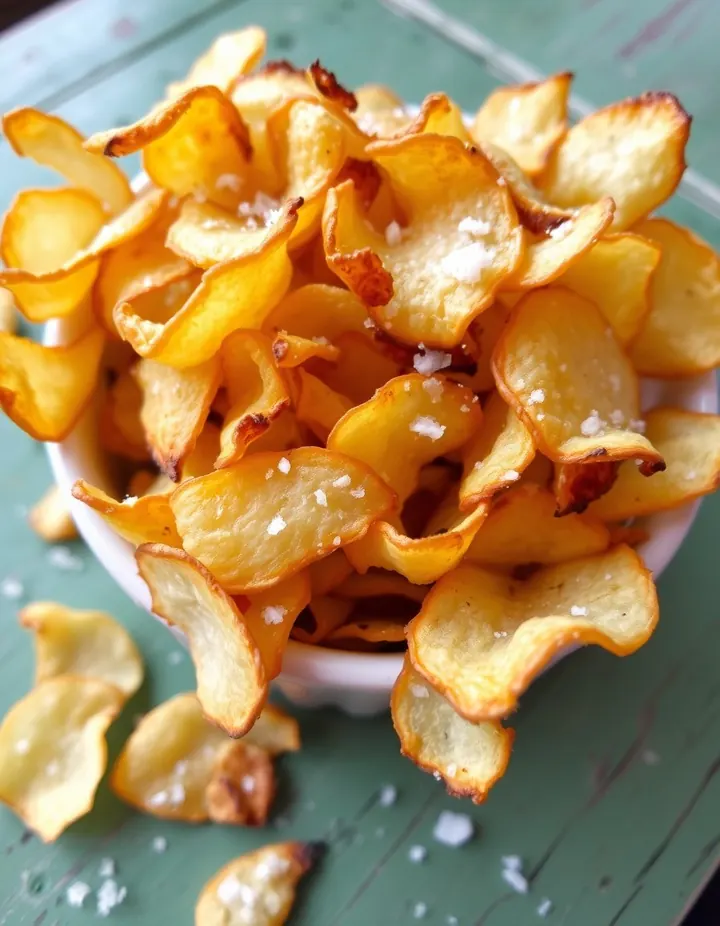
Cut the remnants of yesterday's potatoes into rounds using a cake cutter dipped in cold water.
Arrange the potato rounds in a greased pan, ensuring they do not touch each other.
Bake and serve
Bake in a 400°F (200°C) oven, brushing the tops and sides with beaten egg when they begin to brown.
Serve on a heated flat napkin on a platter.
Transcribed from a scanned cookbook and modernised for today's kitchens. Where the book gave no heat or time, or said "a moderate oven", the temperatures and times here may be modern equivalents rather than the book's own figures.
Explore the science
The flavor team
The pairs that carry this dish. Each one is judged two ways: how much aroma chemistry they share, and how many recipes mention both.
-
Potato + buttertop 6% of all pairsAroma overlapstrongMentioned together6,445 recipes
Shared aroma: (z)-4-heptenal (biscuit, cream).
-
Butter + eggtop 8% of all pairsAroma overlapstrongMentioned together118,511 recipes
Shared aroma: nonanal (fat, citrus).
-
Potato + eggtop 16% of all pairsAroma overlapstrongMentioned together4,716 recipes
Shared aroma: (e)-2-octenal (fatty, green).
Ranks compare each pair with 20,000 random ingredient pairs on CompKitchen. How we score pairs
What each ingredient does
- Cooked potatoes
- Provide the starchy base that becomes the crisp-edged, tender body of each round.
- Beaten egg
- Brushed on during baking, it sets into a glossy, golden coating on the tops and sides.
The step that matters
Brushing with beaten egg as the potatoes begin to brown. Egg applied too early can cook unevenly or slide off, while applied once browning starts it sets into a glossy, golden layer. Timing it at the first sign of colour gives an even finish.
“What each ingredient does” and “The step that matters” were written by Claude from this recipe’s own method and reviewed in samples by CompKitchen.
You might also like
 Illustration
 Illustration
 Illustration
 Illustration
The Sunday pairing: one pairing, the chemistry behind it, and how to cook it. No spam, unsubscribe anytime.
Prefer an account? Create a free account for sign-in; Pro adds the full results and chemistry.