Why it works: Vanilla and coconut match in chemistry and in kitchens. They rank in the top 1% of all ingredient pairs, and 2,294 recipes mention both. Both carry ethyl caproate, which smells fruity, apple peel. The science ↓
Chocolate and Cocoanut Blanc-mange
Ingredients
Directions
Make the mixture
Heat the milk in a saucepan.
In a small bowl, rub the corn-starch smooth with a little cold milk.
Stir the corn-starch mixture into the hot milk along with the sugar.
Cook until it forms a smooth paste, then whip in the frothed egg whites.
Cook for one minute.
Add coconut and chocolate
Pour half of the mixture into a bowl with half of the grated coconut and mix well.
Add the grated chocolate, rubbed smooth in a little milk, to the remaining mixture on the heat.
Stir until colored.
Mold and set
Wet a mold.
Pour half of the chocolate mixture into the mold.
Refrigerate until cold.
After about 30 minutes, carefully add the remaining grated coconut.
Pour in the rest of the chocolate mixture.
Refrigerate until firm.
Turn out onto a dish and top with the remaining grated coconut.
Serve with a cold boiled custard.
Transcribed from a scanned cookbook and modernised for today's kitchens. Where the book gave no heat or time, or said "a moderate oven", the temperatures and times here may be modern equivalents rather than the book's own figures.
Explore the science
The flavor team
The pairs that carry this dish. Each one is judged two ways: how much aroma chemistry they share, and how many recipes mention both.
-
Vanilla + coconuttop 1% of all pairsAroma overlapstrongMentioned together2,294 recipes
Shared aroma: ethyl caproate (fruity, apple peel).
-
Milk + vanillatop 5% of all pairsAroma overlapmoderateMentioned together19,187 recipes
Shared aroma: ethyl caproate (fruity, apple peel).
-
Corn + coconuttop 5% of all pairsAroma overlapstrongMentioned together306 recipes
Shared aroma: decanal (soap, orange peel).
-
Vanilla + chocolatetop 5% of all pairsAroma overlapmoderateMentioned together10,020 recipes
Shared aroma: sotolon (curry, maple).
-
Sugar + vanillatop 8% of all pairsAroma overlaplowMentioned together35,032 recipes
Shared aroma: beta-damascenone (apple, rose).
Sugar and vanilla share little aroma chemistry, yet 35,032 recipes mention both: they likely work on texture and structure more than aroma.
Ranks compare each pair with 20,000 random ingredient pairs on CompKitchen. How we score pairs
What each ingredient does
- Milk
- Forms the liquid base that the starch thickens into a set dessert.
- Corn-starch
- Thickens the milk when heated and sets the dessert as it cools.
- Egg whites
- Whipped into the mixture to add a lighter, airier texture.
- Sugar
- Sweetens the dessert.
- Grated chocolate
- Adds chocolate flavor and brown color to part of the dessert.
- Grated coconut
- Adds coconut flavor and a textured, chewy layer.
The step that matters
Cook the starch until it forms a smooth paste. Corn-starch only thickens fully when heated, so the mixture must cook until smooth before the egg whites go in. Undercooked starch stays thin and will not set firmly when chilled.
Flavor stand-ins for the coconut
How well each one fits the dish's main ingredients (milk, corn, sugar, egg, vanilla, chocolate):
- Coconutthe original
- Figabout as good a flavor fit
Fit is the average pairing score against milk, corn, sugar, egg, vanilla, chocolate. Candidates are from the same food group and used in at least 100 recipes. This compares flavor only: it does not check the job the ingredient does in the dish (bulk, moisture, acidity, structure).
“What each ingredient does” and “The step that matters” were written by Claude from this recipe’s own method and reviewed in samples by CompKitchen.
You might also like
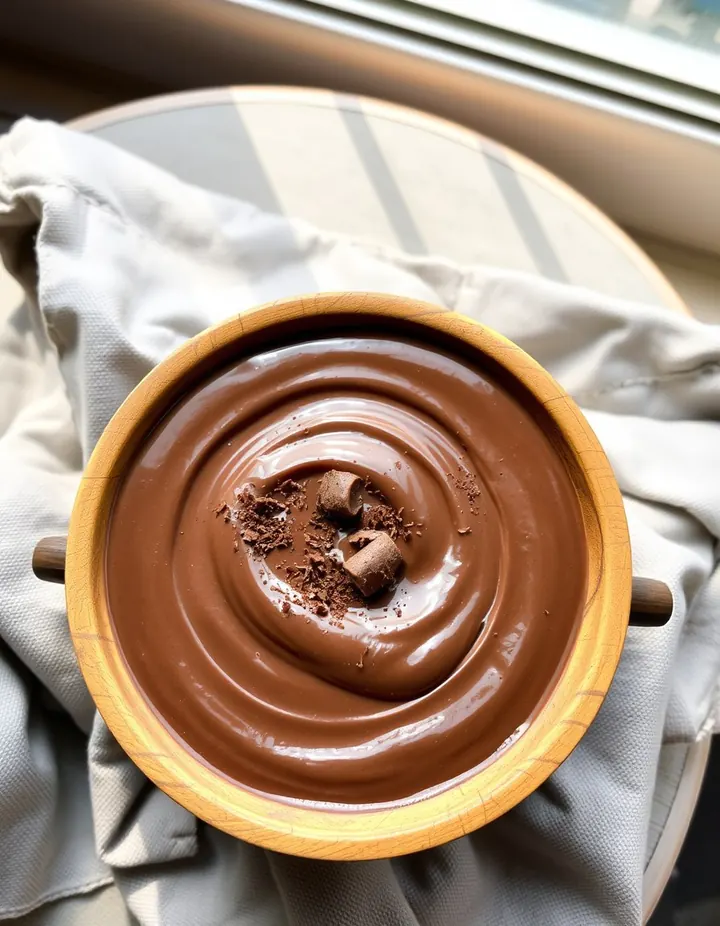 Chocolate Cream171 recipes
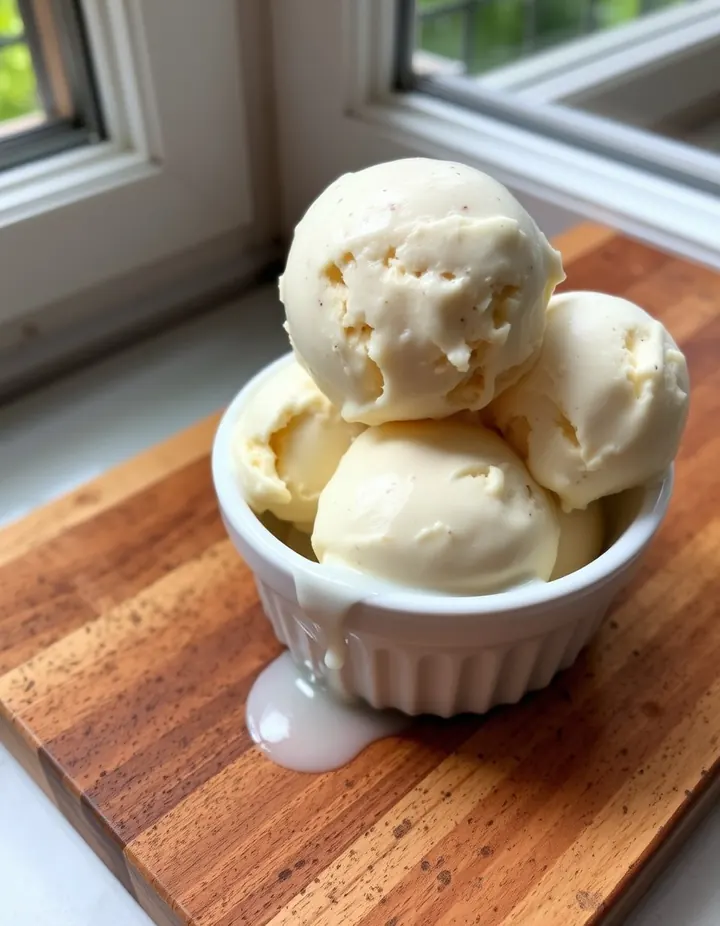 Vanilla Ice Cream108 recipes
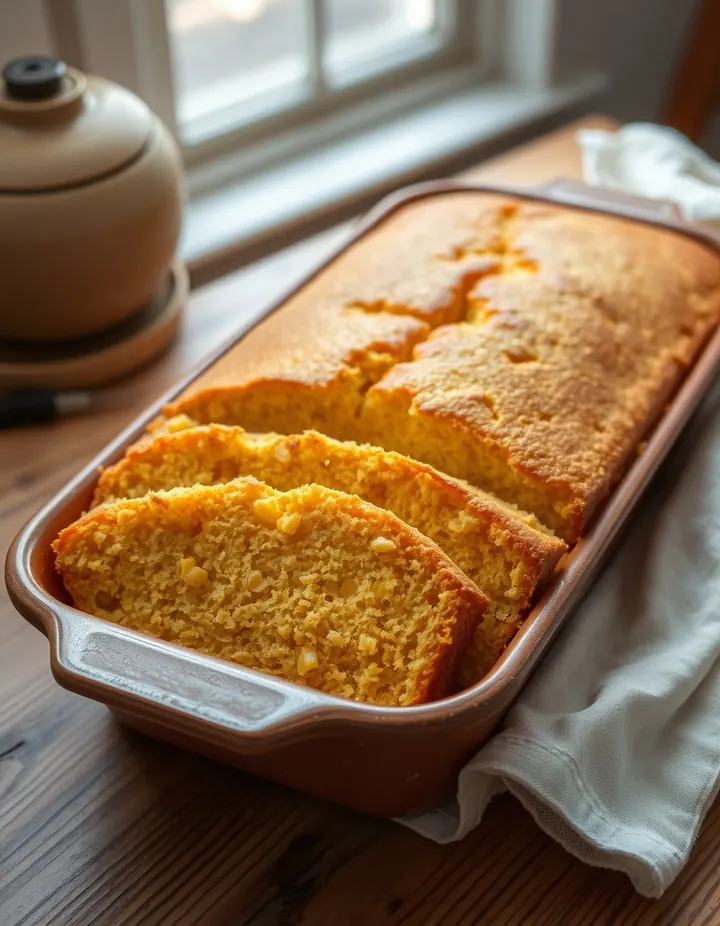 Corn Cake90 recipes
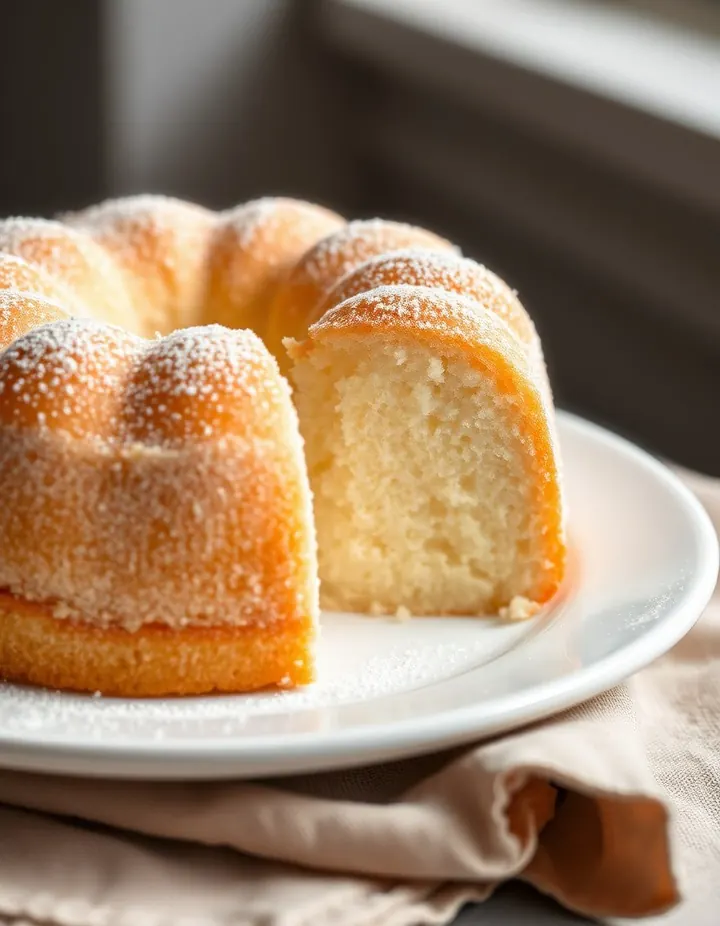 Corn Starch Cake89 recipes
The Sunday pairing: one pairing, the chemistry behind it, and how to cook it. No spam, unsubscribe anytime.
Prefer an account? Create a free account for sign-in; Pro adds the full results and chemistry.