Why it works: Nutmeg and mace are a kitchen classic. They rank in the top 4% of all ingredient pairs, and cooks put them together in 6,557 recipes. Both carry myristicin, which smells spice, warm. The science ↓
Potted Lobster
Ingredients
Directions
The book says “a slow oven”. The 300°F (150°C) in the steps is the modern equivalent, not the book's own figure.
Cook and prepare the lobster
Parboil the lobster in boiling salted water until cooked.
Remove all the meat from the body and claws.
Beat the meat in a mortar with nutmeg, mace, cayenne, and salt to taste.
Beat the coral separately.
Layer the pounded meat and coral in a large potting can.
Press down hard to create a marbled appearance.
Cover the mixture with fresh butter.
Bake
Place the potting can in a 300°F (150°C) oven for 30 minutes.
Once cooled, remove the butter.
Clarify the butter and pot
Clarify the butter by melting it in a jar set in boiling water. Skim off the buttermilk that rises to the top until no more scum appears.
Let the clarified butter settle.
Strain the clarified butter through a sieve.
Pack the lobster into small potting cans. Press down firmly.
Pour the clarified butter over the lobster. Secure the covers tightly.
Transcribed from a scanned cookbook and modernised for today's kitchens. Where the book gave no heat or time, or said "a moderate oven", the temperatures and times here may be modern equivalents rather than the book's own figures.
Explore the science
The flavor team
The pairs that carry this dish. Each one is judged two ways: how much their aromas overlap, and how often cooks already put them together.
-
Nutmeg + macetop 4% of all pairsSmell alikemoderateCooked together6,557 recipes
Shared aroma: myristicin (spice, warm).
-
Nutmeg + buttertop 16% of all pairsSmell alikemoderateCooked together24,377 recipes
Shared aroma: eucalyptol (eucalyptus, herbal).
-
Lobster + buttertop 18% of all pairsSmell alikemoderateCooked together2,609 recipes
Shared aroma: 2,6-nonadienal (cucumber, green).
-
Mace + buttertop 22% of all pairsSmell alikelowCooked together11,405 recipes
Shared aroma: linalool (floral, citrus).
-
Lobster + nutmegtop 23% of all pairsSmell alikelowCooked together458 recipes
Shared aroma: octanal (fat, soap).
Mace and butter barely smell alike, yet cooks put them together in 11,405 recipes: they work on texture and structure more than aroma.
Ranks compare each pair with 20,000 random ingredient pairs on CompKitchen. How we score pairs
What each ingredient does
- Lobster
- Provides the main body of the potted meat, setting firm when pounded and pressed.
- Fresh butter
- Forms a sealing layer that excludes air and keeps the potted lobster moist and preserved.
- Nutmeg
- Adds warm, aromatic spice flavour that complements the sweetness of the lobster meat.
- Mace
- Contributes a delicate, aromatic spice flavour similar to nutmeg.
- Cayenne
- Adds gentle heat that sharpens the rich flavour of the lobster and butter.
The step that matters
Clarify the butter. Melting the butter gently and skimming off the milky solids and scum leaves a clear fat. Leftover milk solids can spoil faster and cloud the seal over the lobster.
Swap the mace
How well each one fits the dish's main ingredients (lobster, nutmeg, butter):
- Cinnamonfits better
- Tarragonfits better
- Parsleyfits better
- Macethe original
Fit is the average pairing score against lobster, nutmeg, butter. Candidates are from the same food group and used in at least 100 recipes.
“What each ingredient does” and “The step that matters” were written by Claude from this recipe’s own method and reviewed in samples by CompKitchen.
You might also like
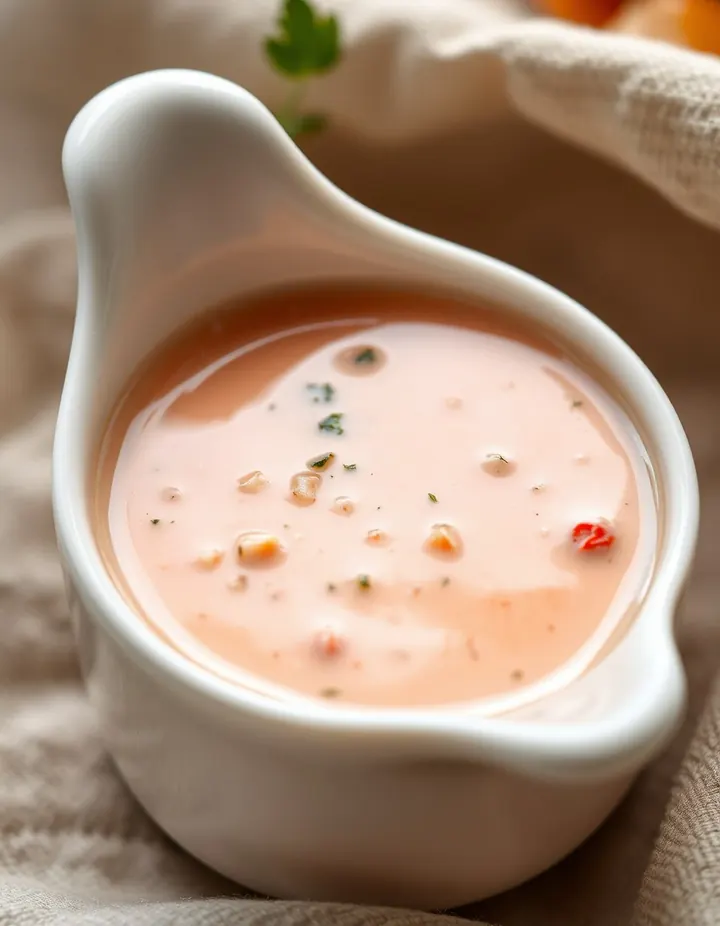 Lobster Sauce174 recipes
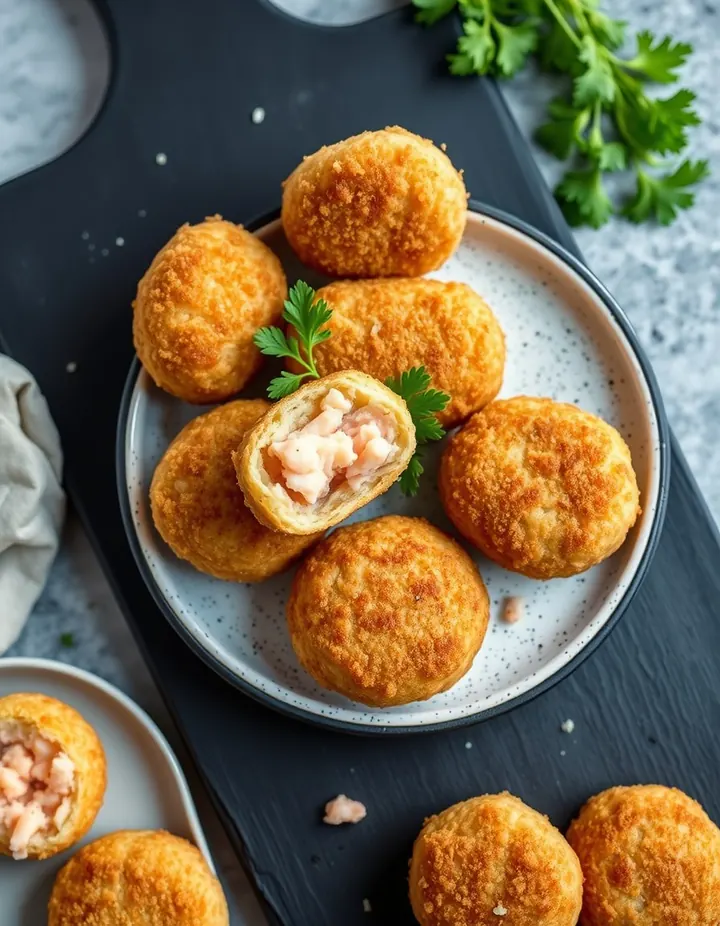 Lobster Croquettes99 recipes
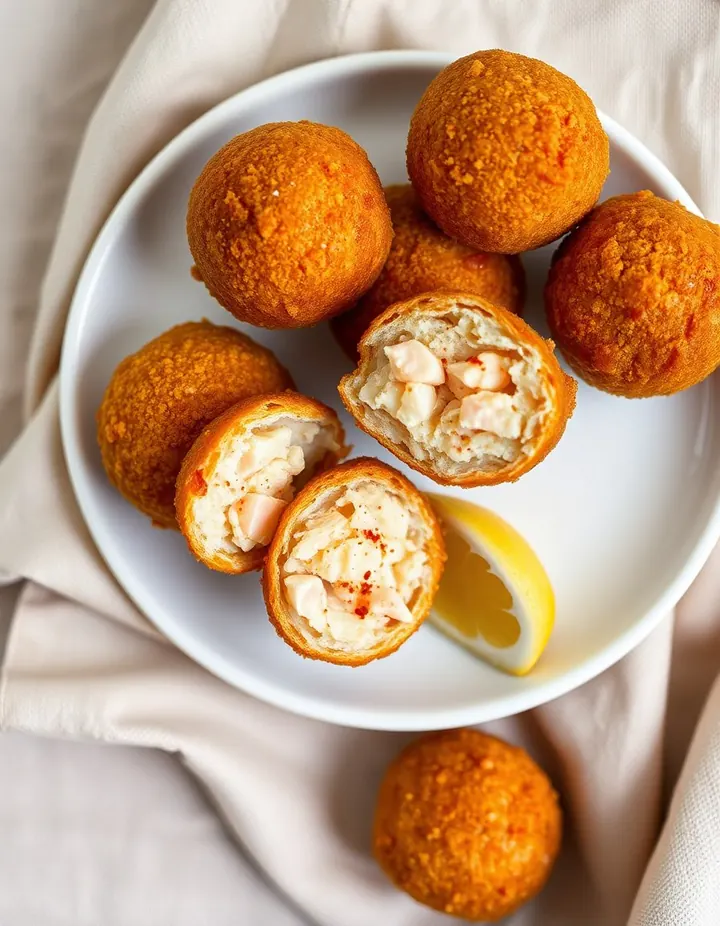 Lobster Balls7 recipes
 Tomato Soup526 recipes
The free Flavor Lab newsletter: one surprising pairing a week and the molecular reason it works, in 60 seconds. No spam, unsubscribe anytime.
Prefer an account? Create a free account to save pairings and unlock the full chemistry.