Why it works: Butter and vinegar are a kitchen classic. They rank in the top 23% of all ingredient pairs, and cooks put them together in 13,513 recipes. Both carry isoamyl acetate, which smells banana, pear. The science ↓
Molasses Taffy
Ingredients
Directions
Cook the molasses
In a saucepan, combine molasses, butter, and vinegar.
Cook over medium heat until the mixture reaches the hard ball stage.
Remove from heat and stir in baking soda until the mixture turns white.
Pour and pull
Pour into a buttered dish and allow to cool slightly.
Once cool enough to handle, pull the taffy until it becomes light in color.
Transcribed from a scanned cookbook and modernised for today's kitchens. Where the book gave no heat or time, or said "a moderate oven", the temperatures and times here may be modern equivalents rather than the book's own figures.
Explore the science
The flavor team
The pairs that carry this dish. Each one is judged two ways: how much their aromas overlap, and how often cooks already put them together.
-
Butter + vinegartop 23% of all pairsSmell alikemoderateCooked together13,513 recipes
Shared aroma: isoamyl acetate (banana, pear).
-
Molasses + vinegartop 26% of all pairsSmell alikelowCooked together1,253 recipes
Shared aroma: ethanol (alcoholic, ethereal).
-
Molasses + buttertop 30% of all pairsSmell alikelowCooked together8,123 recipes
Shared aroma: ethanol (alcoholic, ethereal).
Ranks compare each pair with 20,000 random ingredient pairs on CompKitchen. How we score pairs
What each ingredient does
- Molasses
- Provides the main sweetness, dark flavor, and body of the taffy.
- Butter
- Adds fat that softens the texture and helps keep the taffy from sticking.
- Vinegar
- Acid that helps prevent sugar from crystallizing, keeping the taffy smooth and chewy.
- Baking soda
- Reacts with the acid to release gas, lightening the color and making the texture airy.
The step that matters
Cooking to the hard ball stage. The sugar concentration reached while cooking sets how firm the taffy becomes once cooled. Stopping too early leaves it sticky, while cooking too long makes it brittle.
“What each ingredient does” and “The step that matters” were written by Claude from this recipe’s own method and reviewed in samples by CompKitchen.
You might also like
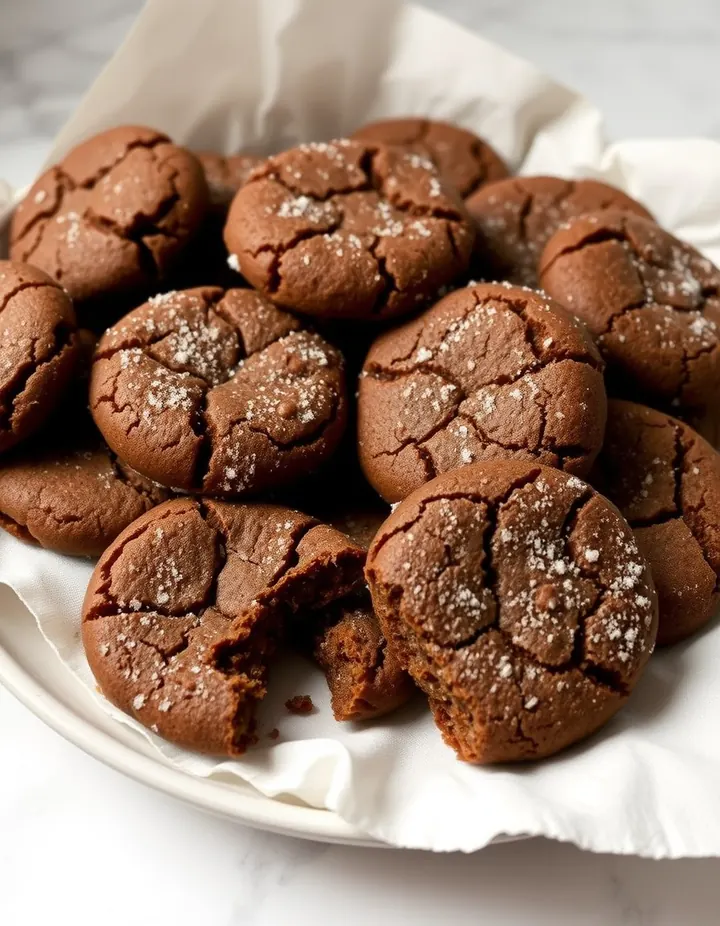 Molasses Cookies96 recipes
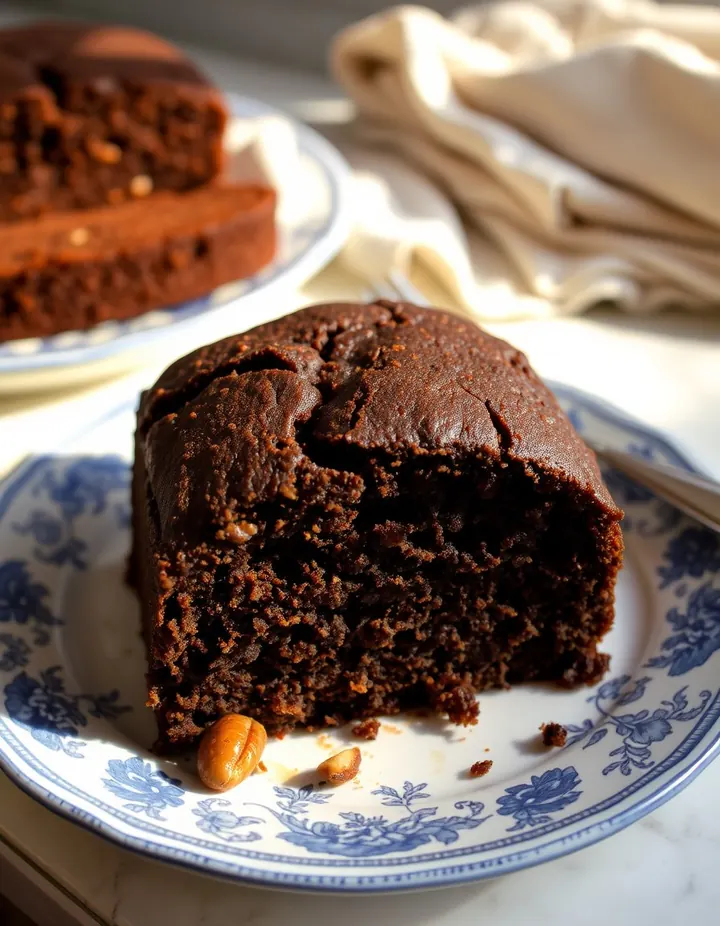 Molasses Cake90 recipes
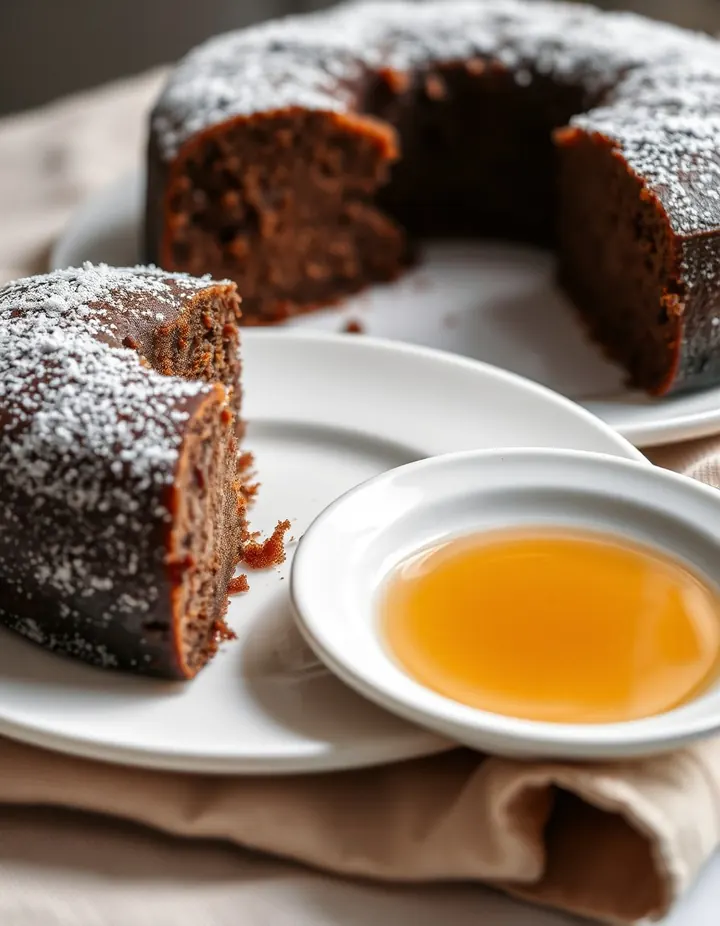 Molasses Sponge Cake9 recipes
 White Cake431 recipes
The free Flavor Lab newsletter: one surprising pairing a week and the molecular reason it works, in 60 seconds. No spam, unsubscribe anytime.
Prefer an account? Create a free account to save pairings and unlock the full chemistry.