Why it works: Flour and butter are a kitchen classic. They rank in the top 12% of all ingredient pairs, and cooks put them together in 124,287 recipes. Both carry isobutyraldehyde, which smells malty, green. The science ↓
Bread Raised Once
Ingredients
Directions
The book gives no oven temperature. The 350°F (175°C) in the steps was added when the recipe was transcribed, as a starting point.
Mix and knead
Sift the flour into a large bowl, add salt, and slowly pour in lukewarm water.
Add the potato yeast, stirring constantly. If using hop yeast, add 1 cup or 1 cake of compressed yeast dissolved in tepid water.
Mix thoroughly, adding flour until a stiff dough forms.
Place the dough on a floured surface and knead vigorously for 20 minutes, adding flour to prevent sticking.
Shape and rise
Divide the dough into loaves suitable for your pans and shape them nicely.
Place the loaves in pans, coat the tops lightly with sweet drawn butter, and set in a warm place to rise.
Cover lightly to keep off dust and air, and occasionally turn the pans to ensure even rising.
When the loaves have doubled in size, make a ½ inch deep slit across the top of each loaf with a sharp knife.
Bake and finish
Bake in a preheated oven at 350°F (175°C) for 1 hour, watching carefully to maintain the proper heat.
Remove the loaves from the pans immediately after baking to prevent the crust from softening.
Transcribed from a scanned cookbook and modernised for today's kitchens. Where the book gave no heat or time, or said "a moderate oven", the temperatures and times here may be modern equivalents rather than the book's own figures.
Explore the science
The flavor team
The pairs that carry this dish. Each one is judged two ways: how much their aromas overlap, and how often cooks already put them together.
-
Flour + buttertop 12% of all pairsSmell alikelowCooked together124,287 recipes
Shared aroma: isobutyraldehyde (malty, green).
-
Potato + buttertop 13% of all pairsSmell alikemoderateCooked together6,456 recipes
Shared aroma: (z)-4-heptenal (biscuit, cream).
-
Potato + flourtop 15% of all pairsSmell alikemoderateCooked together5,355 recipes
Shared aroma: isobutyraldehyde (malty, green).
Flour and butter barely smell alike, yet cooks put them together in 124,287 recipes: they work on texture and structure more than aroma.
Ranks compare each pair with 20,000 random ingredient pairs on CompKitchen. How we score pairs
What each ingredient does
- Flour
- Forms the gluten network that gives the dough its structure and chew.
- Potato yeast
- Produces carbon dioxide that makes the dough rise and gives the loaf its airy crumb.
- Water
- Hydrates the flour so gluten can develop and the dough becomes workable.
- Sweet drawn butter
- Coats the tops to add fat, softness and browning to the crust.
The step that matters
Kneading the dough for 20 minutes. Vigorous kneading aligns and strengthens gluten strands, which traps gas from the yeast and gives a firm, well-risen loaf. Adding flour only as needed keeps the dough from becoming too stiff.
Swap the potato
How well each one fits the dish's main ingredients (flour, butter):
- Shallotfits better
- Leekfits better
- Arrowrootfits better
- Potatothe original
Fit is the average pairing score against flour, butter. Candidates are from the same food group and used in at least 100 recipes.
“What each ingredient does” and “The step that matters” were written by Claude from this recipe’s own method and reviewed in samples by CompKitchen.
You might also like
 Potato Croquettes255 recipes
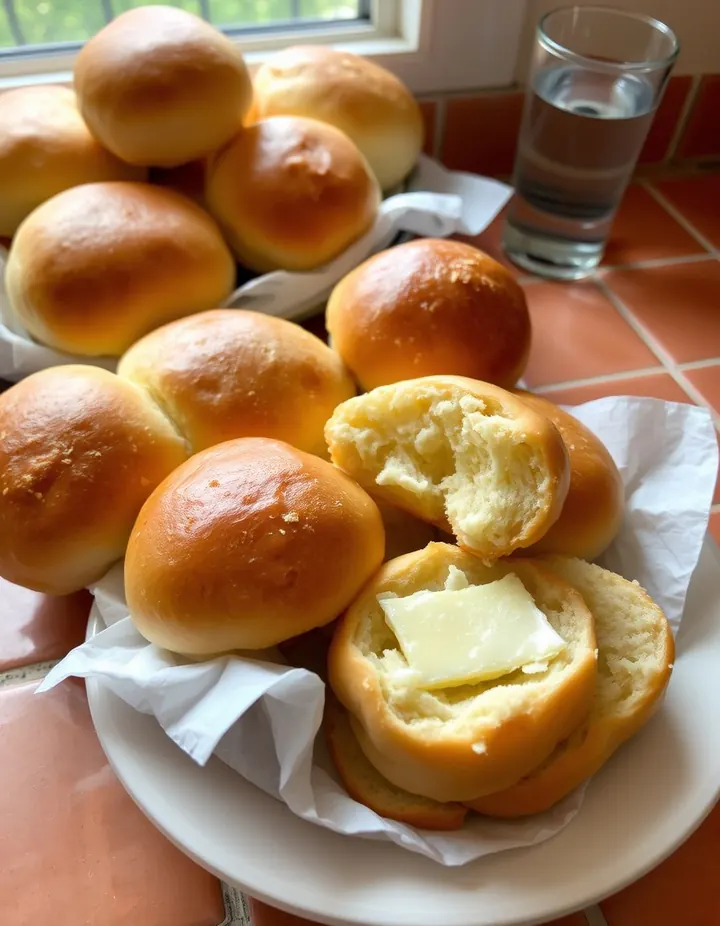 Potato Rolls78 recipes
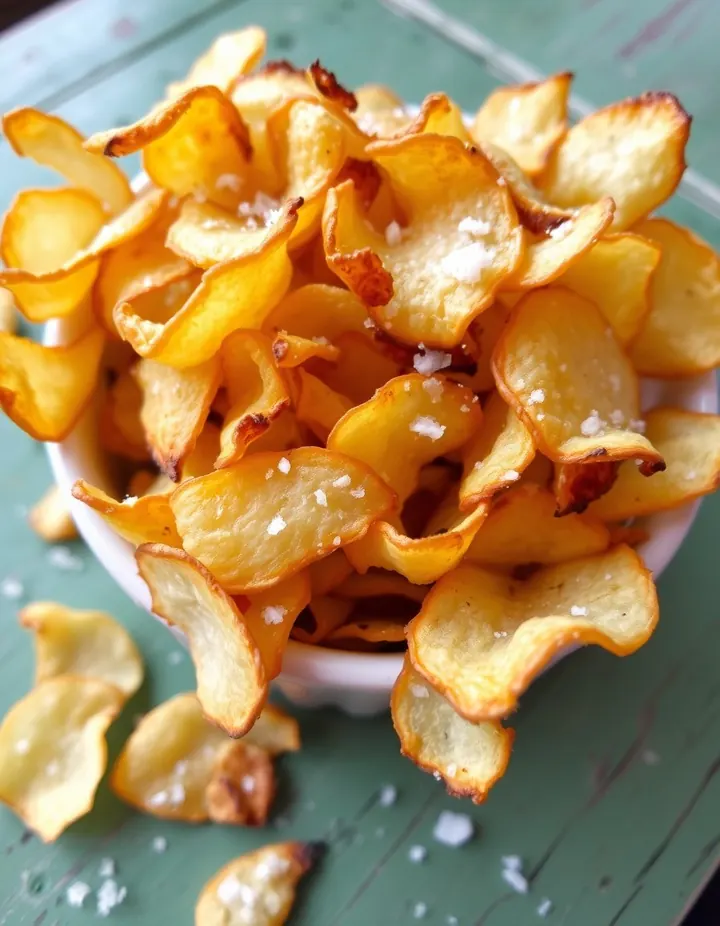 Potato Chips53 recipes
 Sweet Potato Croquettes53 recipes
The free Flavor Lab newsletter: one surprising pairing a week and the molecular reason it works, in 60 seconds. No spam, unsubscribe anytime.
Prefer an account? Create a free account to save pairings and unlock the full chemistry.