Why it works: Lemon and parsley match in chemistry and in kitchens. They rank in the top 1% of all ingredient pairs, and cooks put them together in 14,037 recipes. Both carry beta-phellandrene, which smells minty, terpene. The science ↓
Panned Oysters
Ingredients
Directions
Press a fork into a ball of butter and rub it over the bottom of a hot skillet.
Cover the surface with small rounds of toast.
Place one or two uncooked oysters on each round of toast.
Cover and cook until the oysters are plump.
Dust with coarse sea salt and black pepper.
Add a bit of butter on each oyster.
Serve when the butter has melted, with slices of lemon.
Transcribed from a scanned cookbook and modernised for today's kitchens. Where the book gave no heat or time, or said "a moderate oven", the temperatures and times here may be modern equivalents rather than the book's own figures.
Explore the science
The flavor team
The pairs that carry this dish. Each one is judged two ways: how much their aromas overlap, and how often cooks already put them together.
-
Lemon + parsleytop 1% of all pairsSmell alikestrongCooked together14,037 recipes
Shared aroma: beta-phellandrene (minty, terpene).
-
Pepper + parsleytop 2% of all pairsSmell alikestrongCooked together34,122 recipes
Shared aroma: 4'-methylacetophenone (bitter almond).
-
Pepper + lemontop 3% of all pairsSmell alikestrongCooked together27,047 recipes
Shared aroma: trans-2-nonenal (cardboard, fatty).
-
Butter + oystertop 12% of all pairsSmell alikemoderateCooked together8,184 recipes
Shared aroma: 2,6-nonadienal (cucumber, green).
-
Butter + parsleytop 15% of all pairsSmell alikemoderateCooked together28,563 recipes
Shared aroma: trans-2-hexenal (green, leafy).
Ranks compare each pair with 20,000 random ingredient pairs on CompKitchen. How we score pairs
What each ingredient does
- Uncooked oysters
- Cook gently under cover until they plump, becoming tender and juicy.
- Butter
- Greases the skillet and adds richness and a glossy finish as it melts over the oysters.
- Small rounds of toast
- Provides a crisp base that holds the oysters and soaks up their juices.
The step that matters
Cover and cook until the oysters are plump. Oysters cook quickly, and overcooking makes them tough and shrunken. Covering the pan traps heat and steam so they cook evenly, so watch for plumpness and remove them promptly.
“What each ingredient does” and “The step that matters” were written by Claude from this recipe’s own method and reviewed in samples by CompKitchen.
More oysters on toast recipes
You might also like
 Lemon Sauce236 recipes
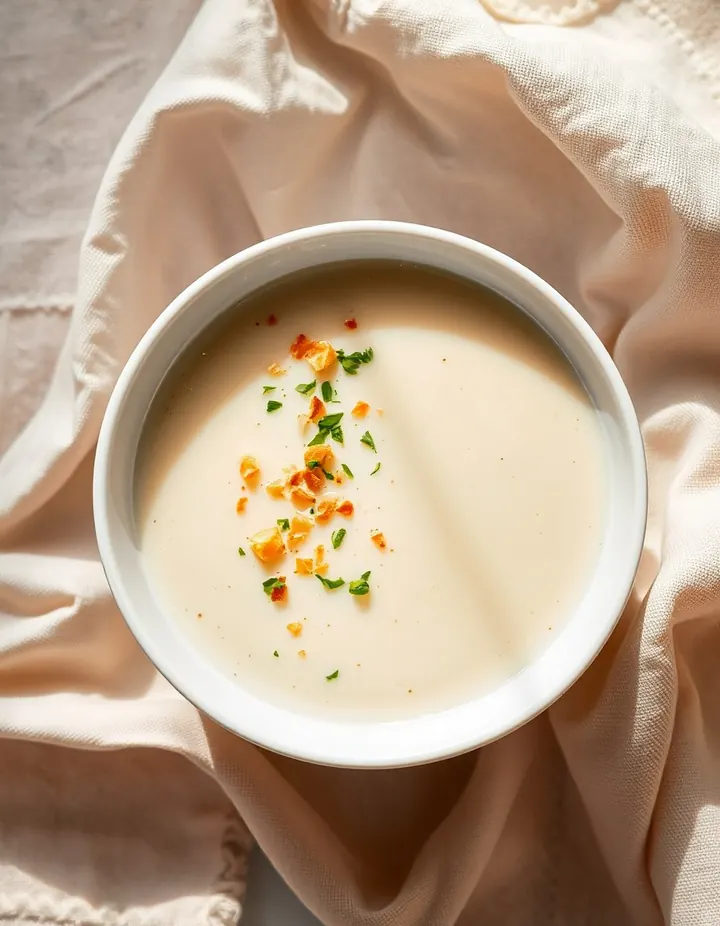 Mock Oyster Soup21 recipes
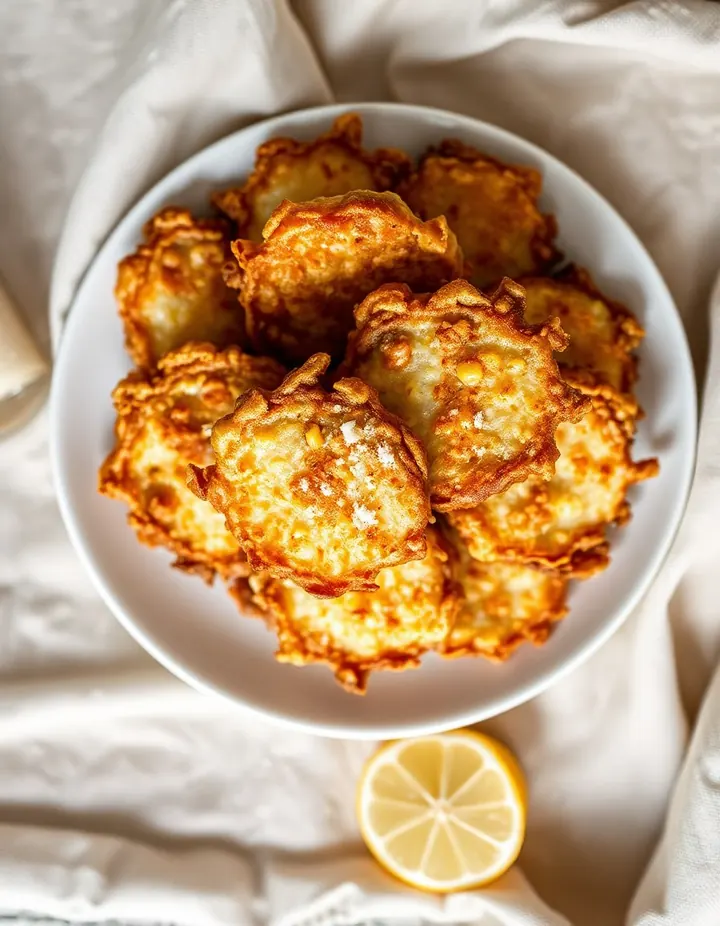 Corn Fritters6 recipes
 Tomato Soup526 recipes
The free Flavor Lab newsletter: one surprising pairing a week and the molecular reason it works, in 60 seconds. No spam, unsubscribe anytime.
Prefer an account? Create a free account to save pairings and unlock the full chemistry.