Why it works: Coffee and butter are a kitchen classic. They rank in the top 23% of all ingredient pairs, and cooks put them together in 2,442 recipes. Both carry 2-furfurylthiol, which smells coffee, roasted. The science ↓
To Brown Coffee
Ingredients
Directions
The book says “a slow oven”. The 300°F (150°C) in the steps is the modern equivalent, not the book's own figure.
Prepare
Pick out all black grains and stones from the coffee.
Wash the coffee clean and drain it.
Roast
Place the coffee in a pan and put it in a 300°F (150°C) oven until it turns dark yellow.
Increase the heat to brown and swell the grains quickly, stirring frequently to prevent burning.
When the grains can be cracked between your thumb and finger and are light brown, stir in a little butter and let it dry for 1-2 minutes.
Immediately place the coffee in a can and cover tightly.
Transcribed from a scanned cookbook and modernised for today's kitchens. Where the book gave no heat or time, or said "a moderate oven", the temperatures and times here may be modern equivalents rather than the book's own figures.
Explore the science
The flavor team
The pairs that carry this dish. Each one is judged two ways: how much their aromas overlap, and how often cooks already put them together.
-
Coffee + buttertop 23% of all pairsSmell alikemoderateCooked together2,442 recipes
Shared aroma: 2-furfurylthiol (coffee, roasted).
Ranks compare each pair with 20,000 random ingredient pairs on CompKitchen. How we score pairs
What each ingredient does
- Java coffee
- Provides the base coffee flavor and aroma once roasted.
- Rio coffee
- Adds a second coffee blend to the roasted flavor profile.
- Butter
- Stirred in at the end to coat the grains and add a richer, rounded flavor.
The step that matters
Increasing the heat to brown the grains. Stirring frequently keeps the grains moving so sugars and proteins brown evenly; without it, the outside can scorch before the inside swells and develops flavor.
“What each ingredient does” and “The step that matters” were written by Claude from this recipe’s own method and reviewed in samples by CompKitchen.
You might also like
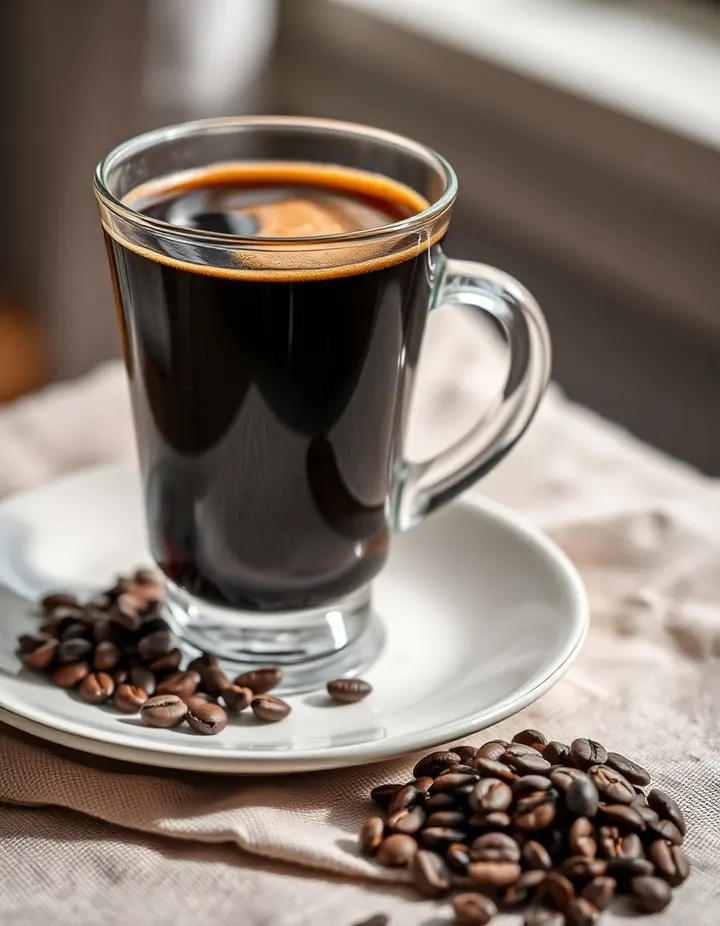 Egg Coffee20 recipes
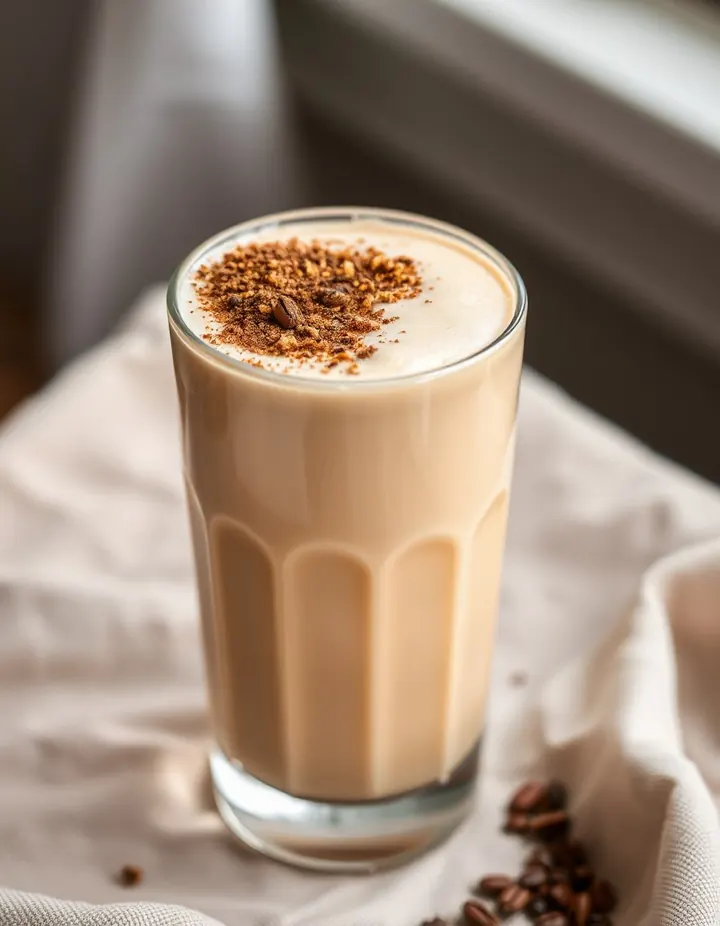 Coffee Milk12 recipes
 Postum Coffee9 recipes
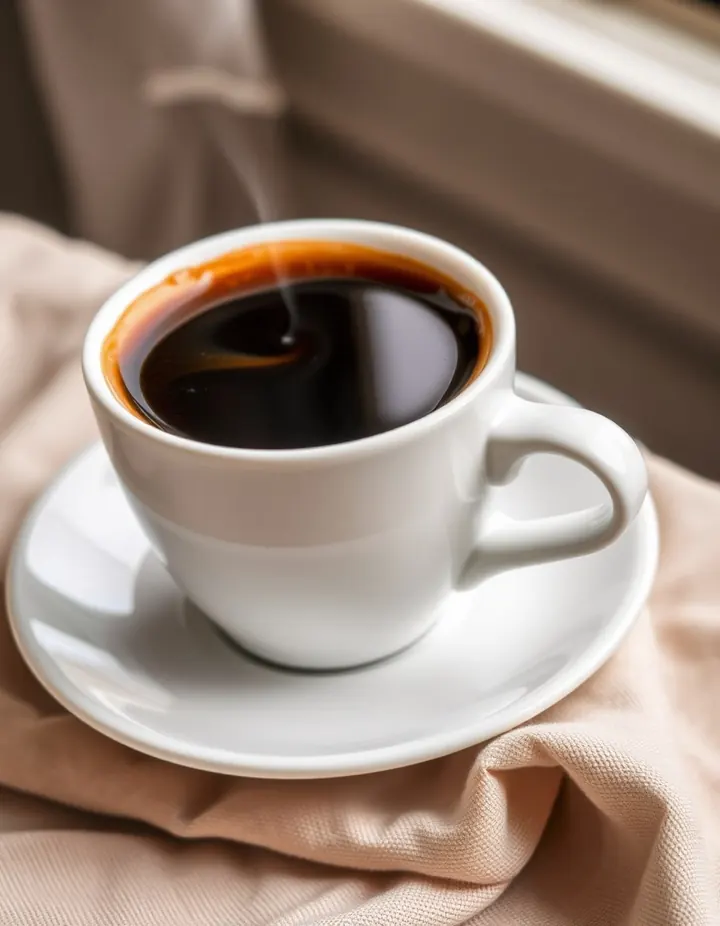 Breakfast Coffee9 recipes
The free Flavor Lab newsletter: one surprising pairing a week and the molecular reason it works, in 60 seconds. No spam, unsubscribe anytime.
Prefer an account? Create a free account to save pairings and unlock the full chemistry.