Why it works: Pepper and parsley match in chemistry and in kitchens. They rank in the top 2% of all ingredient pairs, and cooks put them together in 34,122 recipes. Both carry 4'-methylacetophenone, which smells bitter almond. The science ↓
Lobster Chops or Cutlets
Ingredients
Directions
Prepare the lobster
Boil the lobster.
Remove the meat and cut it into small, even dice.
Save the coral and green fat.
Make the custard base
In a thick saucepan, melt the butter and flour over medium heat until bubbling.
Gradually stir in the milk or cream.
Add the lobster meat, coral, and fat.
Season with salt and cayenne.
Stir constantly until very hot.
Remove from heat and mix in the yolks of the eggs and sherry or Madeira.
Transfer the mixture to a dish.
Let it cool.
Shape, coat and fry
Once cool, shape the mixture into small chops or cutlets using wet hands.
Coat each chop in cracker dust and set aside.
Heat fat in a frying kettle until smoking.
Beat the eggs until smooth.
Dip the chops into the egg.
Coat again in cracker dust.
Fry the chops in the hot fat until golden brown.
Remove and drain on brown paper.
Garnish and serve
Garnish each chop with a small lobster claw.
Serve with parsley.
Transcribed from a scanned cookbook and modernised for today's kitchens. Where the book gave no heat or time, or said "a moderate oven", the temperatures and times here may be modern equivalents rather than the book's own figures.
Explore the science
The flavor team
The pairs that carry this dish. Each one is judged two ways: how much their aromas overlap, and how often cooks already put them together.
-
Pepper + parsleytop 2% of all pairsSmell alikestrongCooked together34,122 recipes
Shared aroma: 4'-methylacetophenone (bitter almond).
-
Butter + milktop 7% of all pairsSmell alikemoderateCooked together81,283 recipes
Shared aroma: (z)-4-heptenal (biscuit, cream).
-
Butter + flourtop 12% of all pairsSmell alikelowCooked together124,287 recipes
Shared aroma: isobutyraldehyde (malty, green).
-
Flour + parsleytop 12% of all pairsSmell alikemoderateCooked together16,675 recipes
Shared aroma: isobutyraldehyde (malty, green).
-
Butter + sherrytop 14% of all pairsSmell alikemoderateCooked together3,505 recipes
Shared aroma: ethyl octanoate (fruity, wine).
Butter and flour barely smell alike, yet cooks put them together in 124,287 recipes: they work on texture and structure more than aroma.
Ranks compare each pair with 20,000 random ingredient pairs on CompKitchen. How we score pairs
What each ingredient does
- Lobster
- Provides the main flavour and the tender meat that forms the cutlet.
- Butter
- Enriches the base and adds richness and flavour to the sauce.
- Flour
- Thickens the milk into a stable base that holds the lobster together.
- Milk or cream
- Makes a smooth, creamy binder that sets the mixture when cooled.
- Eggs
- Bind the cooled mixture and form a coating that helps the crumbs stick.
- Sherry or madeira
- Adds a fortified wine aroma and subtle sweetness to the lobster filling.
The step that matters
Let the mixture cool fully before shaping. A warm, soft mixture cannot hold its shape and will slump or tear. Cooling lets the starch-thickened base firm up so the chops keep their form in the hot fat.
Swap the parsley
How well each one fits the dish's main ingredients (lobster, butter, flour, milk, pepper, egg, sherry):
- Nutmegfits about as well
- Parsleythe original
- Tarragonfits about as well
- Cinnamonfits about as well
Fit is the average pairing score against lobster, butter, flour, milk, pepper, egg, sherry. Candidates are from the same food group and used in at least 100 recipes.
“What each ingredient does” and “The step that matters” were written by Claude from this recipe’s own method and reviewed in samples by CompKitchen.
You might also like
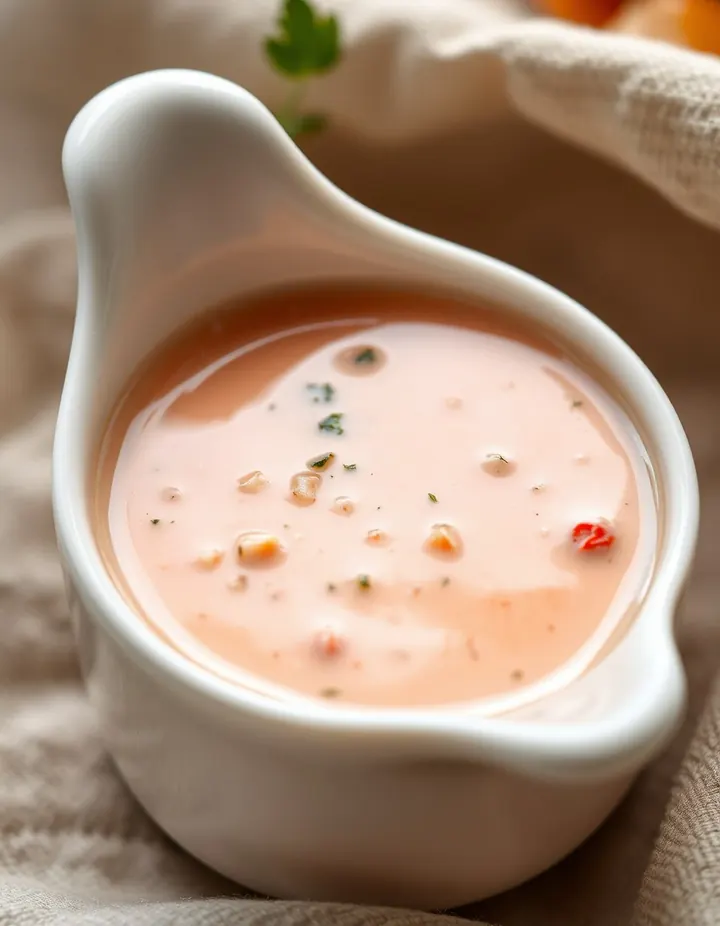 Lobster Sauce174 recipes
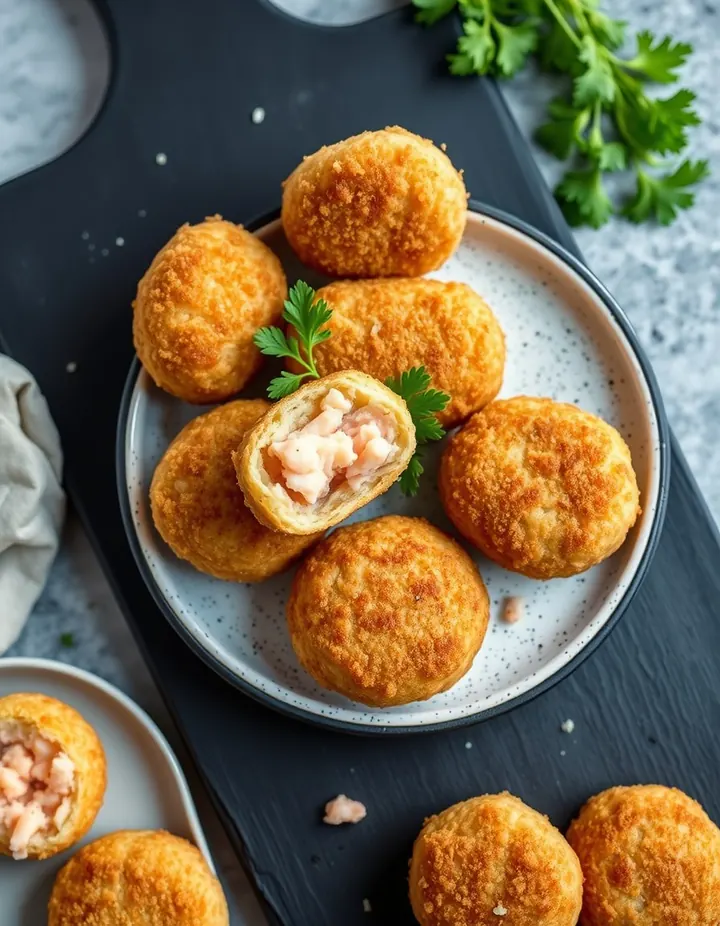 Lobster Croquettes99 recipes
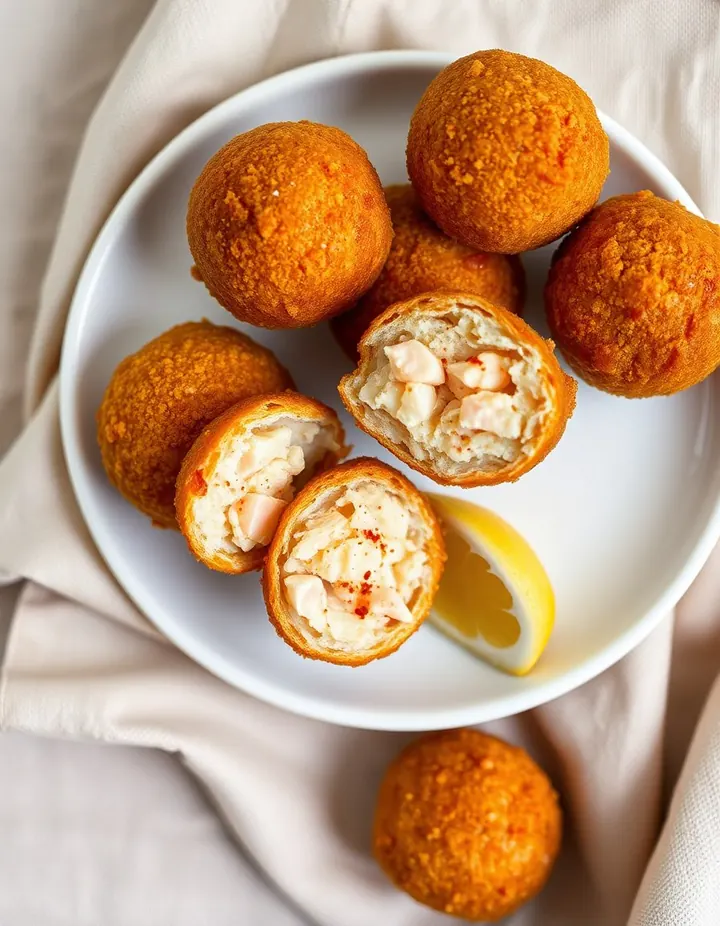 Lobster Balls7 recipes
 Tomato Soup526 recipes
The free Flavor Lab newsletter: one surprising pairing a week and the molecular reason it works, in 60 seconds. No spam, unsubscribe anytime.
Prefer an account? Create a free account to save pairings and unlock the full chemistry.