Why it works: Cinnamon and nutmeg match in chemistry and in kitchens. They rank in the top 1% of all ingredient pairs, and cooks put them together in 11,917 recipes. Both carry estragole, which smells anise, licorice. The science ↓
Black Cake
Ingredients
Directions
The book says “a moderate oven”. The 350°F in the steps is the modern equivalent, not the book's own figure.
Prepare the fruit and spices
Pick, wash, and drain the currants, then spread them out to dry.
Pick and stone the raisins, cutting them in half.
Dredge the dried currants and raisins with flour.
Mix the ground cinnamon, mace, and nutmeg in a cup.
Combine the white wine, brandy, and rose water in a bowl.
Make the batter
Sift the flour into one bowl and the powdered sugar into another.
Cut the butter into the sugar and cream them together.
Beat the eggs until thick and smooth, then gradually mix them into the butter and sugar, alternating with the flour.
Add the fruit, spices, and liquor, stirring well.
Bake and finish
Pour the mixture into a well-buttered pan with straight sides.
Bake in a moderate oven (350°F / 175°C) for at least 6 hours.
Cool the cake on an inverted sieve.
Ice the cake the next morning after dredging it with flour and wiping it with a towel.
Transcribed from a scanned cookbook and modernised for today's kitchens. Where the book gave no heat or time, or said "a moderate oven", the temperatures and times here may be modern equivalents rather than the book's own figures.
Explore the science
The flavor team
The pairs that carry this dish. Each one is judged two ways: how much their aromas overlap, and how often cooks already put them together.
-
Cinnamon + nutmegtop 1% of all pairsSmell alikestrongCooked together11,917 recipes
Shared aroma: estragole (anise, licorice).
-
Raisin + flourtop 1% of all pairsSmell alikestrongCooked together9,075 recipes
Shared aroma: isobutyraldehyde (malty, green).
-
Raisin + cinnamontop 1% of all pairsSmell alikemoderateCooked together5,390 recipes
Shared aroma: 1-octen-3-ol (mushroom, earthy).
-
Mace + nutmegtop 4% of all pairsSmell alikemoderateCooked together6,557 recipes
Shared aroma: myristicin (spice, warm).
-
Raisin + nutmegtop 6% of all pairsSmell alikemoderateCooked together5,377 recipes
Shared aroma: alpha-terpineol (lilac, floral).
Ranks compare each pair with 20,000 random ingredient pairs on CompKitchen. How we score pairs
What each ingredient does
- Eggs
- Beaten eggs add structure and lift to the batter as they set in the oven.
- Butter
- Creaming with sugar traps air and gives the cake a rich, tender crumb.
- All-purpose flour
- Flour provides the structure that holds the cake together as it bakes.
- Powdered sugar
- Sugar adds sweetness and, creamed with butter, helps give a light texture.
- Currants
- Dried currants add concentrated sweetness and chewy fruit texture throughout the cake.
- Raisins
- Dried raisins add sweetness and moist, chewy pieces throughout the cake.
The step that matters
Baking for a long, low bake. A dense, fruit-heavy batter needs a long, moderate bake so the centre sets fully without the outside over-browning. Checking doneness before cooling prevents a gummy middle.
Swap the mace
How well each one fits the dish's main ingredients (currant, raisin, flour, cinnamon, nutmeg, white wine, brandy):
- Clovefits better
- Allspicefits better
- Cardamomfits better
- Macethe original
Fit is the average pairing score against currant, raisin, flour, cinnamon, nutmeg, white wine, brandy. Candidates are from the same food group and used in at least 100 recipes.
“What each ingredient does” and “The step that matters” were written by Claude from this recipe’s own method and reviewed in samples by CompKitchen.
You might also like
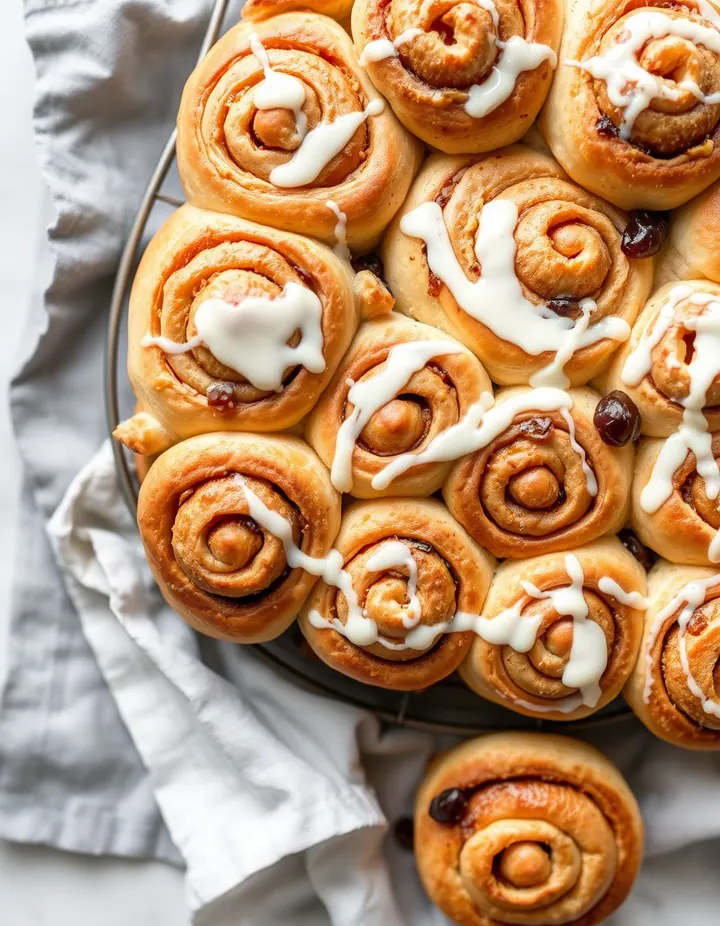 Cinnamon Rolls71 recipes
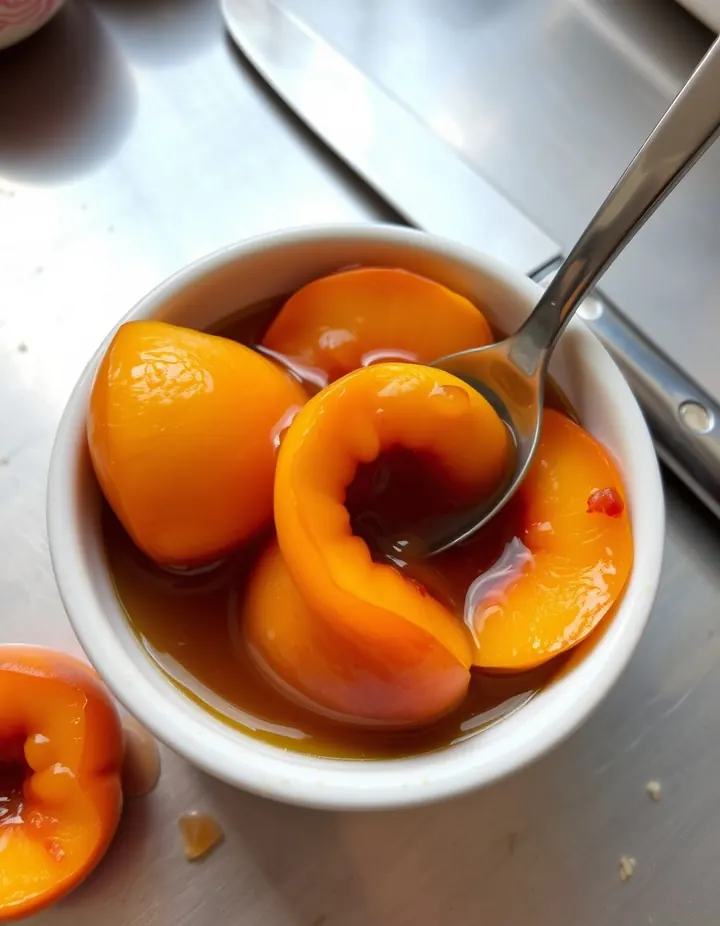 Brandy Peaches68 recipes
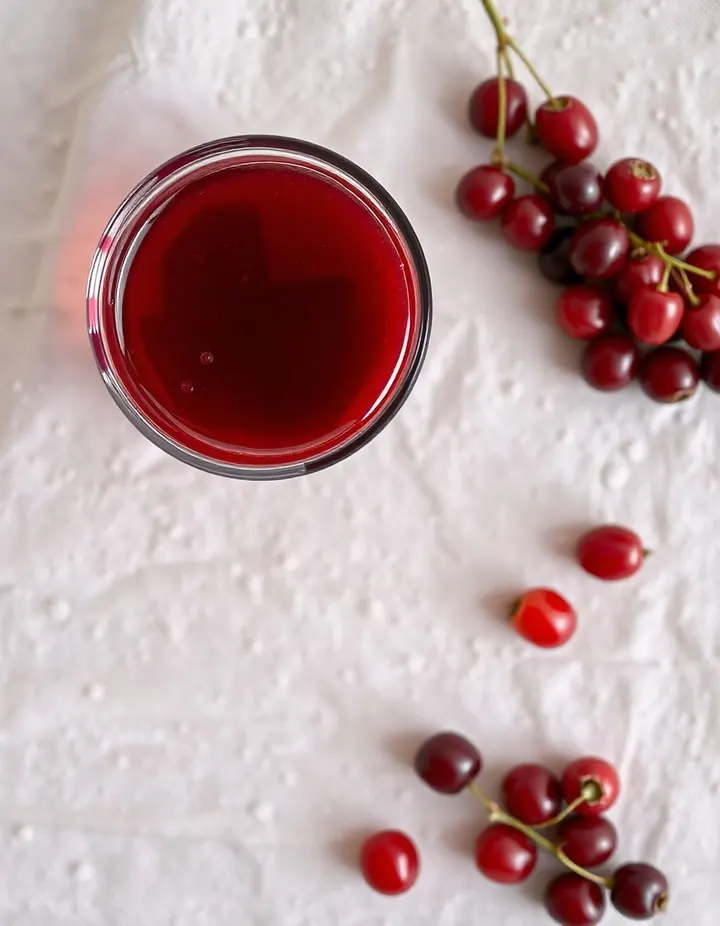 Red Currant Jelly65 recipes
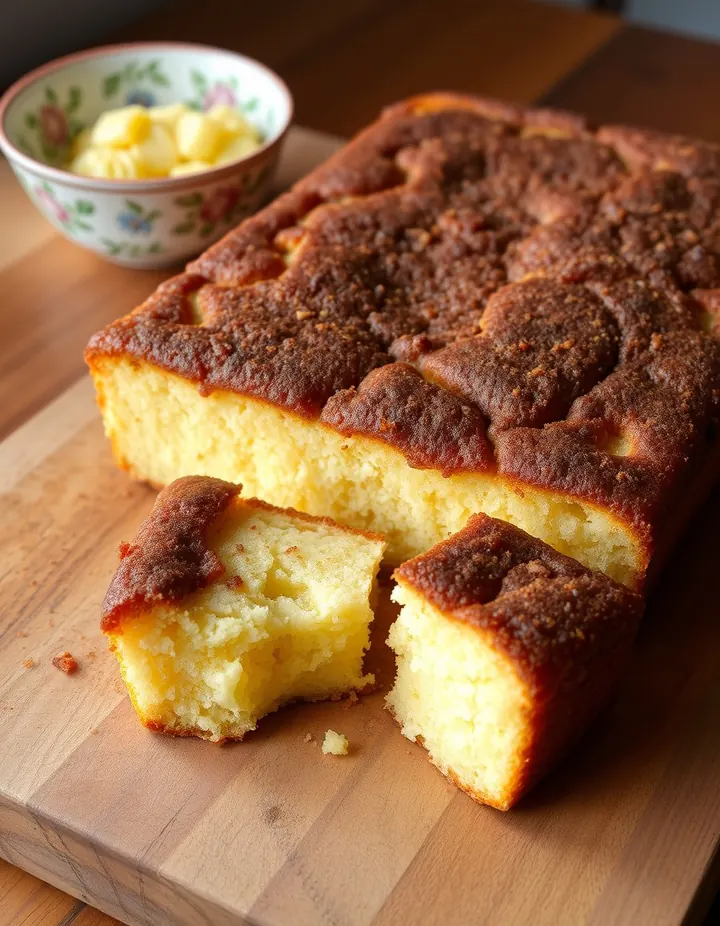 Cinnamon Cake42 recipes
The free Flavor Lab newsletter: one surprising pairing a week and the molecular reason it works, in 60 seconds. No spam, unsubscribe anytime.
Prefer an account? Create a free account to save pairings and unlock the full chemistry.