Why it works: Pepper and oyster are a kitchen classic. They rank in the top 22% of all ingredient pairs, and cooks put them together in 7,663 recipes. Both carry 2-nonenal, which smells fatty, green. The science ↓
Beefsteak Pudding
Ingredients
Directions
Prepare the basin
Line a basin with thin plain pastry.
Season the steak slices with a mixture of salt and pepper.
Layer the seasoned steak slices in the basin until nearly full.
Fill the center with oysters or mushrooms.
Boil and serve
Tie the basin tightly with a cloth.
Boil for three hours, adding water to the saucepan as needed, ensuring it does not reach the top of the basin.
Fill the basin with good stock before serving.
Transcribed from a scanned cookbook and modernised for today's kitchens. Where the book gave no heat or time, or said "a moderate oven", the temperatures and times here may be modern equivalents rather than the book's own figures.
Explore the science
The flavor team
The pairs that carry this dish. Each one is judged two ways: how much their aromas overlap, and how often cooks already put them together.
-
Pepper + oystertop 22% of all pairsSmell alikelowCooked together7,663 recipes
Shared aroma: 2-nonenal (fatty, green).
Ranks compare each pair with 20,000 random ingredient pairs on CompKitchen. How we score pairs
What each ingredient does
- Rump steak
- Becomes tender during the long boil and gives the pudding its meaty flavour.
- Thin plain pastry
- Encloses the filling and holds its shape through the long steaming.
- Oysters or mushrooms
- Add savoury, earthy flavour and juices to the filling.
- Good stock
- Adds savoury flavour and moisture to the finished pudding.
The step that matters
Keep the boiling water below the top of the basin. If water gets into the basin, it soaks the pastry and dilutes the filling, so the pudding turns soggy instead of rich and well-set.
“What each ingredient does” and “The step that matters” were written by Claude from this recipe’s own method and reviewed in samples by CompKitchen.
You might also like
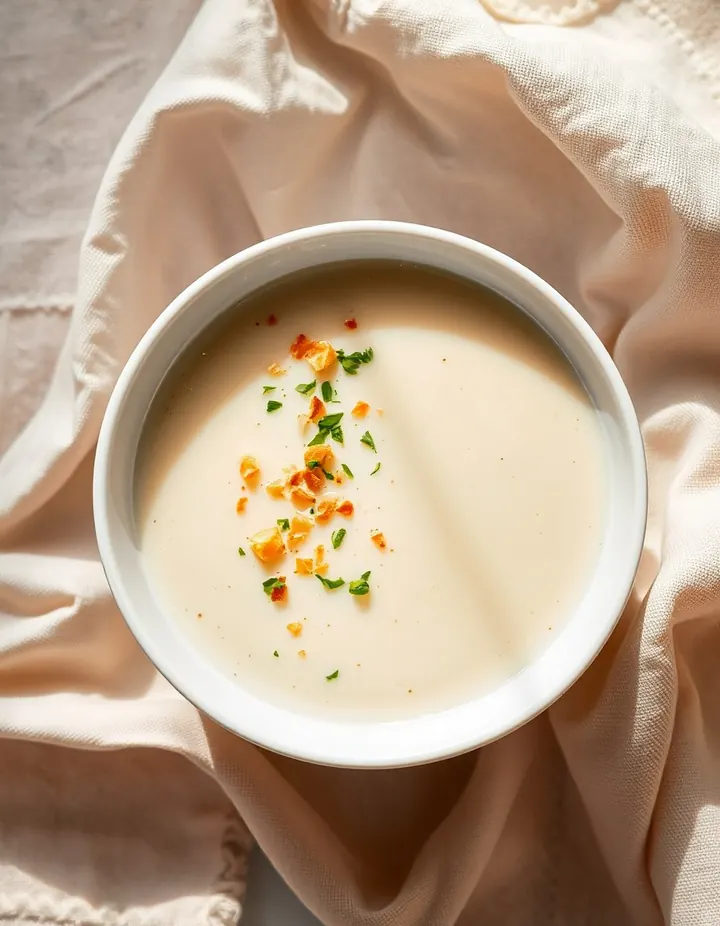 Mock Oyster Soup21 recipes
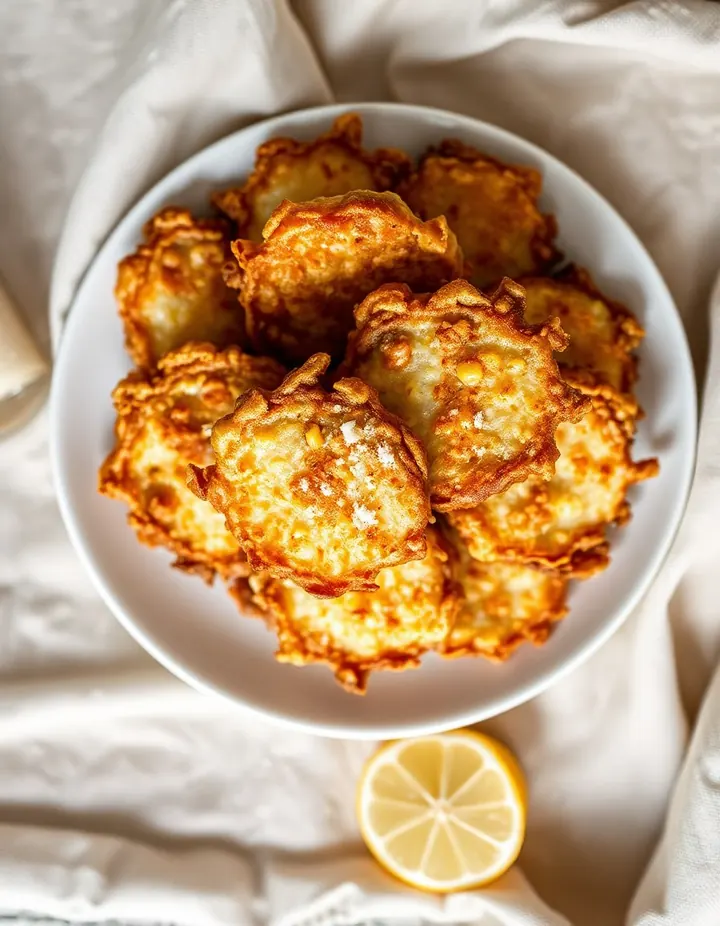 Corn Fritters6 recipes
 Tomato Soup526 recipes
 Brown Bread461 recipes
The free Flavor Lab newsletter: one surprising pairing a week and the molecular reason it works, in 60 seconds. No spam, unsubscribe anytime.
Prefer an account? Create a free account to save pairings and unlock the full chemistry.