Why it works: Plum and pear match in chemistry and in kitchens. They rank in the top 1% of all ingredient pairs, and cooks put them together in 245 recipes. Both carry 2,4-decadienal, which smells seaweed. The science ↓
Dried Fruit
Ingredients
Directions
Prepare
Wash dried fruit well in warm water.
Soak in cold water until plump, preferably overnight for prunes.
Cook and serve
Cook soaked fruit in the soaking water until tender.
Sweeten to taste and simmer for five minutes.
Serve hot or cold.
Transcribed from a scanned cookbook and modernised for today's kitchens. Where the book gave no heat or time, or said "a moderate oven", the temperatures and times here may be modern equivalents rather than the book's own figures.
Explore the science
The flavor team
The pairs that carry this dish. Each one is judged two ways: how much their aromas overlap, and how often cooks already put them together.
-
Plum + peartop 1% of all pairsSmell alikestrongCooked together245 recipes
Shared aroma: 2,4-decadienal (seaweed).
-
Peach + apricottop 1% of all pairsSmell alikestrongCooked together342 recipes
Shared aroma: delta-dodecalactone (sweet, creamy).
-
Plum + apricottop 1% of all pairsSmell alikestrongCooked together284 recipes
Shared aroma: damascenone (apple, rose).
-
Apple + peartop 1% of all pairsSmell alikestrongCooked together649 recipes
Shared aroma: isoamyl acetate (banana, fruity).
-
Plum + peachtop 1% of all pairsSmell alikestrongCooked together163 recipes
Shared aroma: 2,4-decadienal (seaweed).
Ranks compare each pair with 20,000 random ingredient pairs on CompKitchen. How we score pairs
What each ingredient does
- Dried fruit
- Provides the main flavour and, once soaked, the soft texture of the finished dish.
- Water
- Rehydrates the dried fruit during soaking and forms the cooking liquid for tenderising.
- Sugar
- Adds sweetness, balancing the tartness of the fruit.
The step that matters
Soaking until plump. Dried fruit needs enough time in water to rehydrate fully; soaking softens the cell walls so the fruit cooks evenly and becomes tender rather than tough.
Swap the pineapple
How well each one fits the dish's main ingredients (plum, peach, apple, apricot, pear, sugar):
- Vanillafits better
- Figfits about as well
- Quincefits about as well
- Pineapplethe original
Fit is the average pairing score against plum, peach, apple, apricot, pear, sugar. Candidates are from the same food group and used in at least 100 recipes.
“What each ingredient does” and “The step that matters” were written by Claude from this recipe’s own method and reviewed in samples by CompKitchen.
You might also like
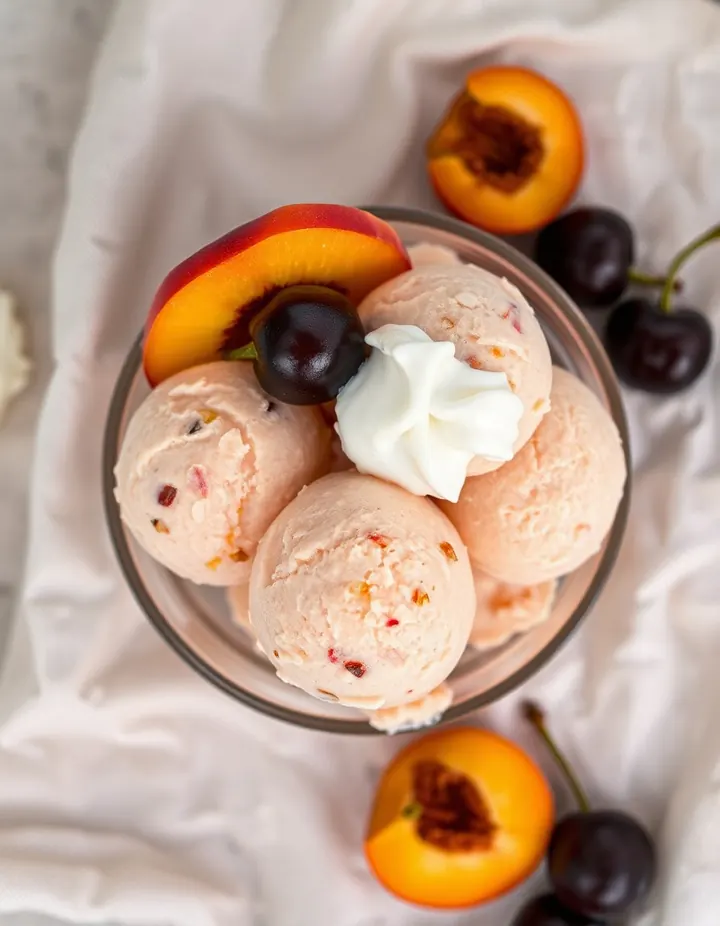 Mixed Fruit Sherbet6 recipes
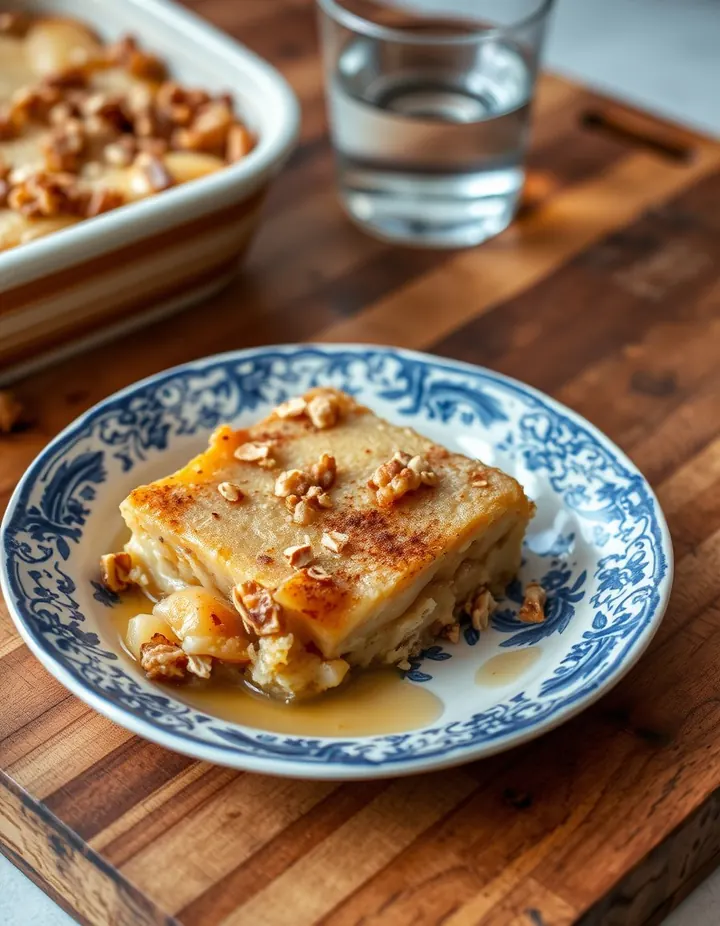 Apple Pudding256 recipes
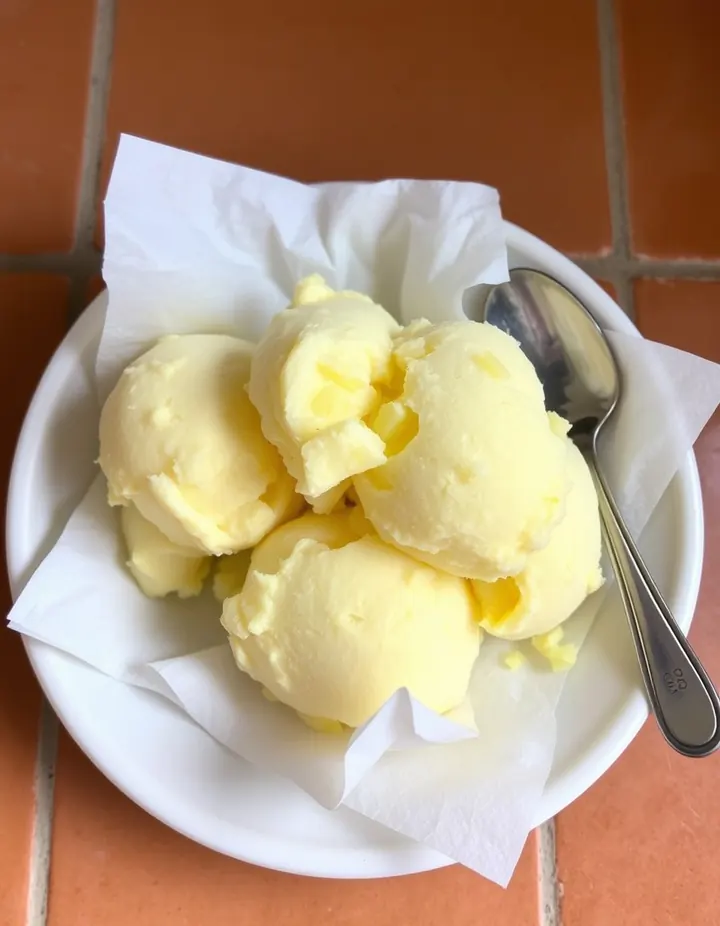 Pineapple Sherbet116 recipes
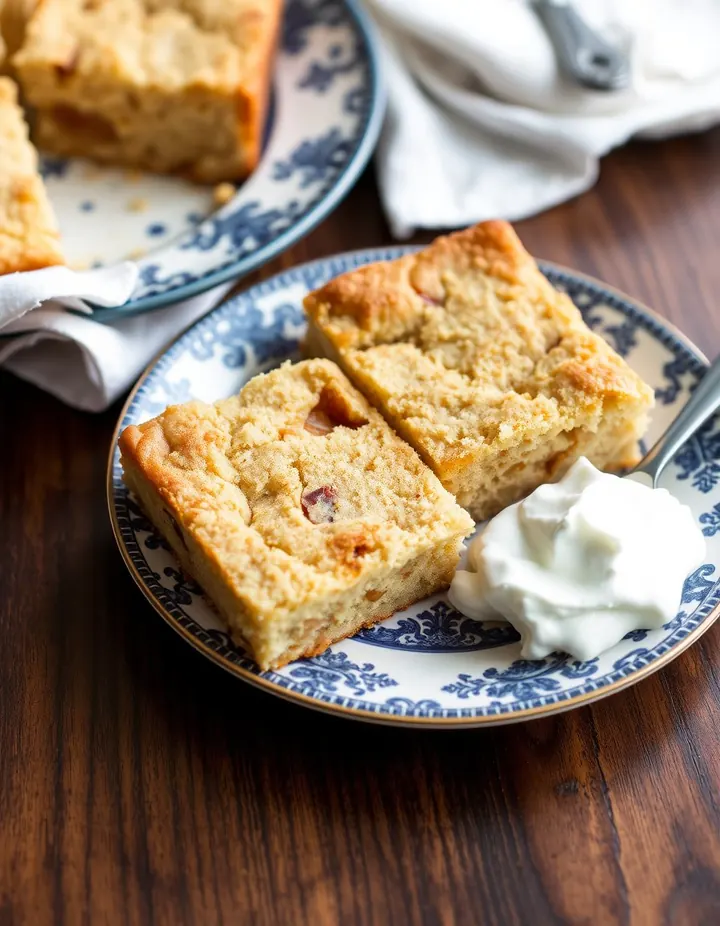 Apple Cake80 recipes
The free Flavor Lab newsletter: one surprising pairing a week and the molecular reason it works, in 60 seconds. No spam, unsubscribe anytime.
Prefer an account? Create a free account to save pairings and unlock the full chemistry.