Why it works: Onion and potato are a kitchen classic. They rank in the top 3% of all ingredient pairs, and cooks put them together in 9,023 recipes. Both carry 2-isopropyl-3-methoxypyrazine, which smells earthy, pea. The science ↓
Sweetbreads Au Gratin
Ingredients
Directions
The book says “a hot oven”. The 350°F (175°C) in the steps is the modern equivalent, not the book's own figure.
Prepare the sweetbreads
Soak the sweetbreads in cold water for 1 hour.
Place them in warm water and blanch for 10 minutes.
Trim the sweetbreads and press them between two dishes with a weight until cold.
Braise
In a stewpan, combine the onion, carrot, mace, bacon, allspice, seasoning, and stock.
Add the sweetbreads to the stewpan.
Cover with buttered paper, bring to a boil, then braise in a 350°F (175°C) oven for 1 hour.
Mash the potatoes.
Place the mashed potatoes on a hot dish, then top with the sweetbreads.
Make the gravy
Strain the braising gravy.
Remove the fat from the gravy.
Thicken the gravy with roux.
Pour some gravy over the sweetbreads.
Gratin and serve
Cover the sweetbreads with breadcrumbs, pour more sauce over them, and add more breadcrumbs.
Dot each sweetbread with butter and place in a 400°F (200°C) oven for 20 minutes to brown.
Serve on the same dish.
Transcribed from a scanned cookbook and modernised for today's kitchens. Where the book gave no heat or time, or said "a moderate oven", the temperatures and times here may be modern equivalents rather than the book's own figures.
Explore the science
The flavor team
The pairs that carry this dish. Each one is judged two ways: how much their aromas overlap, and how often cooks already put them together.
-
Onion + potatotop 3% of all pairsSmell alikemoderateCooked together9,023 recipes
Shared aroma: 2-isopropyl-3-methoxypyrazine (earthy, pea).
-
Carrot + potatotop 4% of all pairsSmell alikestrongCooked together3,107 recipes
Shared aroma: 2-isobutyl-3-methoxypyrazine (green bell pepper, earthy).
-
Carrot + allspicetop 5% of all pairsSmell alikestrongCooked together1,021 recipes
Shared aroma: beta-phellandrene (minty, terpene).
-
Onion + carrottop 6% of all pairsSmell alikemoderateCooked together21,601 recipes
Shared aroma: 2-isopropyl-3-methoxypyrazine (earthy, pea).
-
Mace + allspicetop 7% of all pairsSmell alikemoderateCooked together3,189 recipes
Shared aroma: methyleugenol (clove, spice).
Ranks compare each pair with 20,000 random ingredient pairs on CompKitchen. How we score pairs
What each ingredient does
- Sweetbreads
- Main protein; braising turns their delicate texture tender and creamy.
- Butter
- Adds richness and fat, and helps the topping brown in the oven.
- Stock
- Braising liquid that gives the sweetbreads and gravy their savoury flavour and body.
- Roux
- Thickens the strained gravy so it coats the sweetbreads and potatoes.
- Breadcrumbs
- Form a crisp, golden crust over the sweetbreads when baked.
- Bacon
- Adds smoky, salty fat that flavours the braising liquid.
The step that matters
Pressing the sweetbreads until cold. Pressing firms the cooled sweetbreads so they hold their shape when trimmed, braised and served. Pressing them while still warm can leave them crumbly or misshapen.
Swap the mace
How well each one fits the dish's main ingredients (butter, onion, carrot, allspice, potato):
- Thymefits better
- Parsleyfits better
- Marjoramfits better
- Macethe original
Fit is the average pairing score against butter, onion, carrot, allspice, potato. Candidates are from the same food group and used in at least 100 recipes.
“What each ingredient does” and “The step that matters” were written by Claude from this recipe’s own method and reviewed in samples by CompKitchen.
You might also like
 Potato Croquettes255 recipes
 Carrot Soup134 recipes
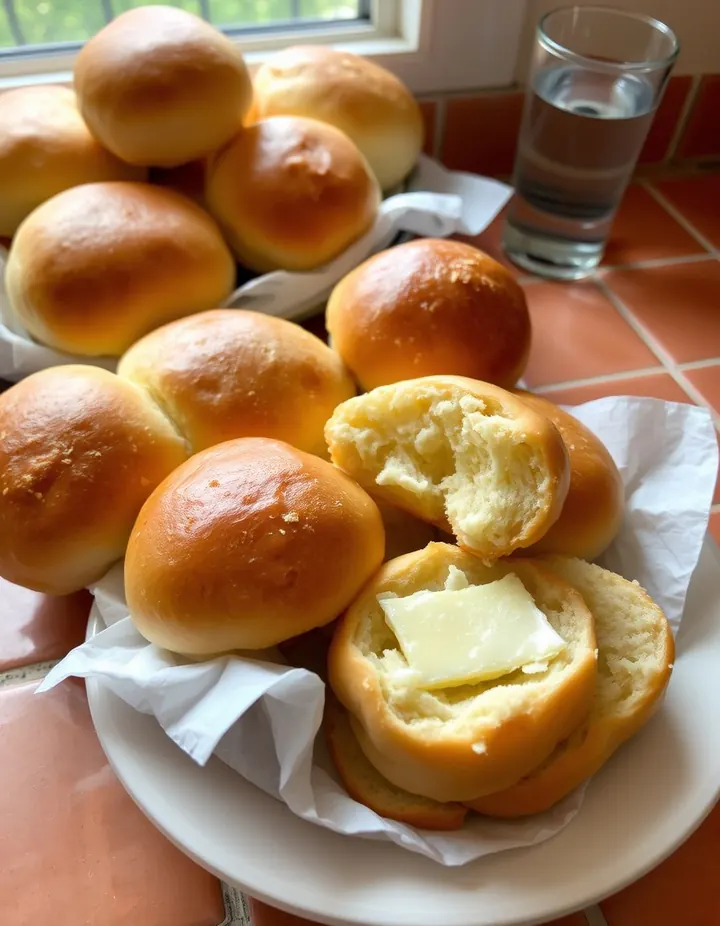 Potato Rolls78 recipes
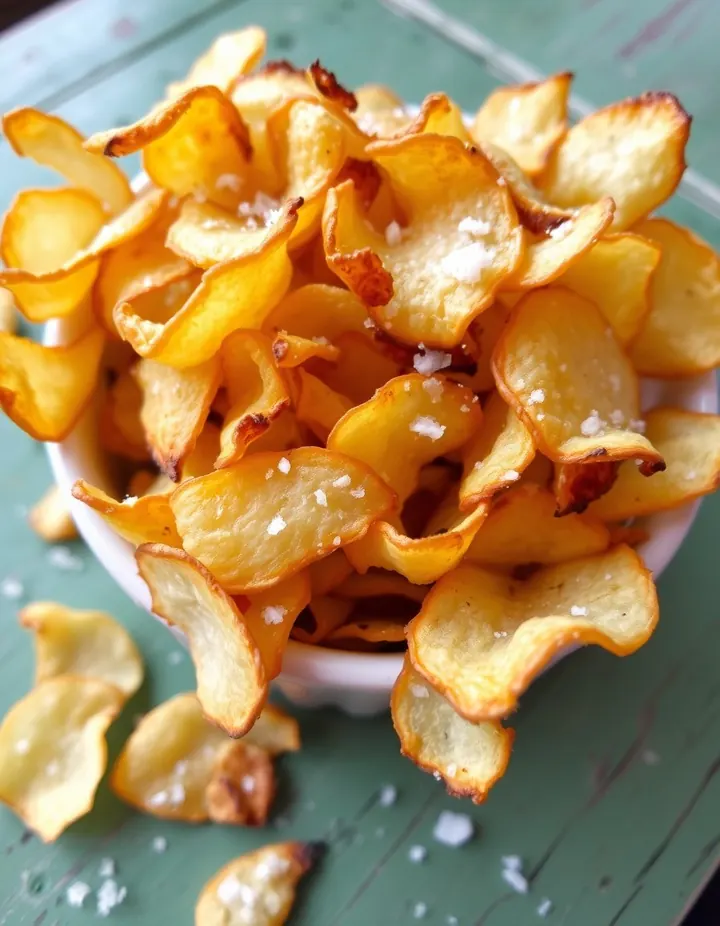 Potato Chips53 recipes
The free Flavor Lab newsletter: one surprising pairing a week and the molecular reason it works, in 60 seconds. No spam, unsubscribe anytime.
Prefer an account? Create a free account to save pairings and unlock the full chemistry.