Why it works: Cauliflower and mustard match in chemistry and in kitchens. They rank in the top 1% of all ingredient pairs, and cooks put them together in 687 recipes. Both carry trans-2-hexenal, which smells green, leafy. The science ↓
Chow Chow
Ingredients
Directions
Prepare the vegetables
Peel the onions.
Halve the gherkins.
String the beans.
Cut the cauliflowers into pieces.
Place all the vegetables in a wooden tray.
Sprinkle the vegetables generously with coarse sea salt.
Wash the vegetables thoroughly.
Drain the vegetables.
Cook the chow chow
Place the vegetables in cold vinegar, except for the red peppers.
Boil the mixture slowly for 20 minutes, stirring frequently.
Jar and seal
Melt wax in a deep dish.
As you fill and cork the jars, dip them into the wax.
Add the red peppers to the jars for presentation.
Transcribed from a scanned cookbook and modernised for today's kitchens. Where the book gave no heat or time, or said "a moderate oven", the temperatures and times here may be modern equivalents rather than the book's own figures.
Explore the science
The flavor team
The pairs that carry this dish. Each one is judged two ways: how much their aromas overlap, and how often cooks already put them together.
-
Cauliflower + mustardtop 1% of all pairsSmell alikestrongCooked together687 recipes
Shared aroma: trans-2-hexenal (green, leafy).
-
Beans + cauliflowertop 2% of all pairsSmell alikestrongCooked together290 recipes
Shared aroma: 2,3-pentanedione (butter, sweet).
-
Beans + mustardtop 4% of all pairsSmell alikestrongCooked together852 recipes
Shared aroma: 2-isopropyl-3-methoxypyrazine (earthy, pea).
-
Onion + mustardtop 6% of all pairsSmell alikestrongCooked together9,259 recipes
Shared aroma: 2-isopropyl-3-methoxypyrazine (earthy, pea).
-
Onion + beanstop 7% of all pairsSmell alikestrongCooked together5,242 recipes
Shared aroma: 2-isopropyl-3-methoxypyrazine (earthy, pea).
Ranks compare each pair with 20,000 random ingredient pairs on CompKitchen. How we score pairs
What each ingredient does
- Cider or wine vinegar
- Provides the sharp acidity that gives the pickle its tang and helps preserve the vegetables.
- Small white onions
- Soften during simmering, adding sweetness and savoury body to the mixture.
- Cauliflowers
- Firm florets hold their shape and absorb the vinegar flavour during simmering.
- Gherkins
- Salting draws out water so the pickles keep a firmer bite after cooking.
- Mustard seed
- Adds a pungent, sharp flavour that mellows as the pickle cooks.
- Ground mustard
- Adds sharp, pungent heat that blends into the vinegar and spreads through the vegetables.
The step that matters
Washing and draining after salting. Salt draws water out of the vegetables, which keeps them crisp in the vinegar. Rinsing and draining well removes surface salt so the finished pickle is not overly salty.
Swap the onion
How well each one fits the dish's main ingredients (beans, cauliflower, pepper, mustard, cider):
- Broccolifits better
- Horseradishfits better
- Lettucefits better
- Onionthe original
Fit is the average pairing score against beans, cauliflower, pepper, mustard, cider. Candidates are from the same food group and used in at least 100 recipes.
“What each ingredient does” and “The step that matters” were written by Claude from this recipe’s own method and reviewed in samples by CompKitchen.
More chow chow recipes
You might also like
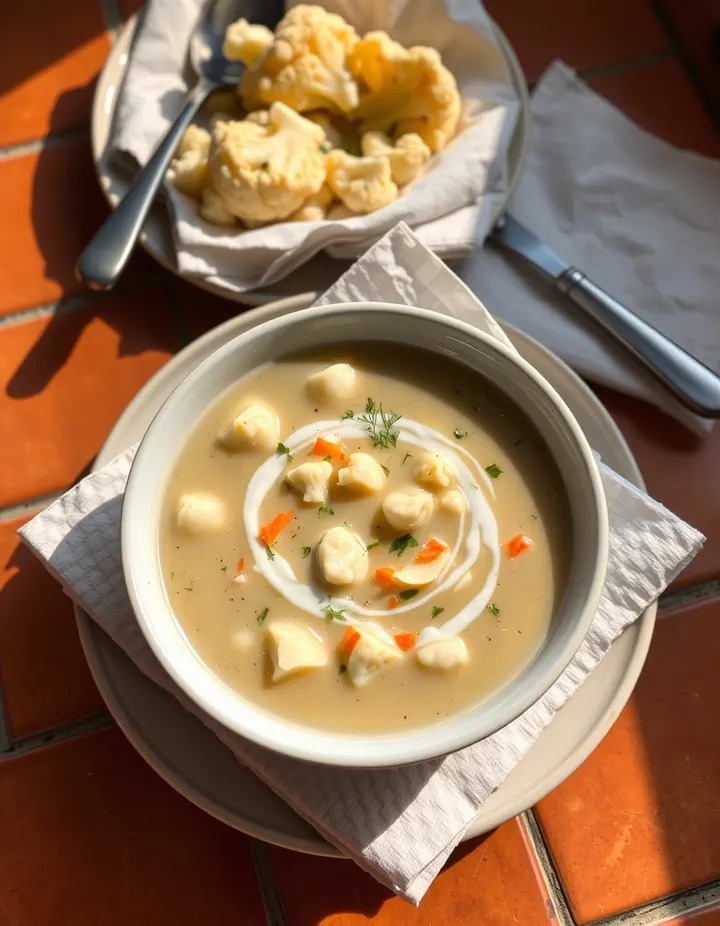 Cauliflower Soup28 recipes
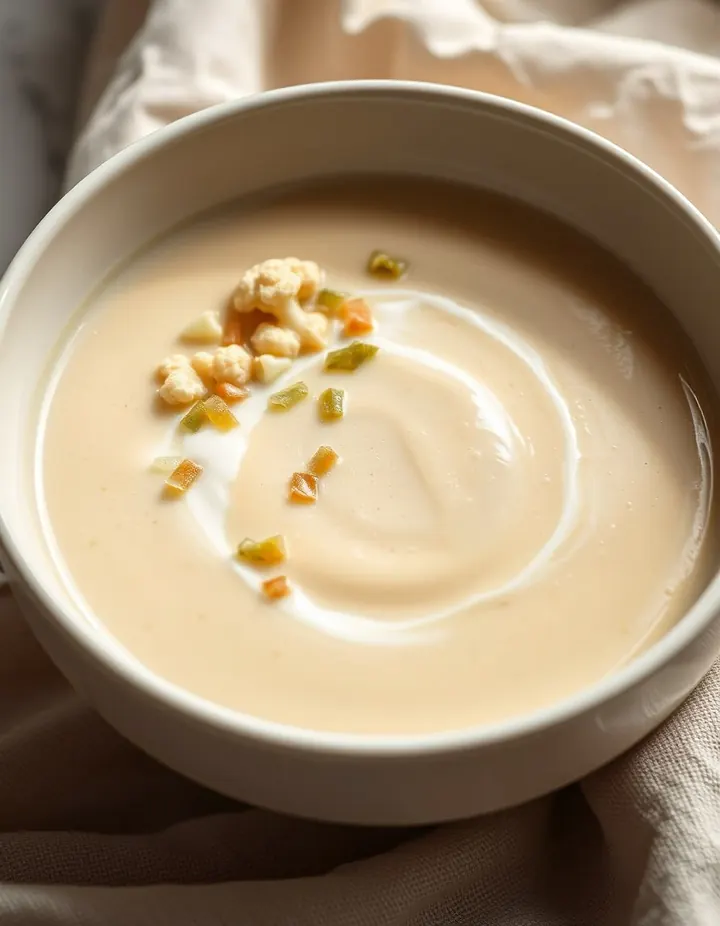 Cream of Cauliflower Soup22 recipes
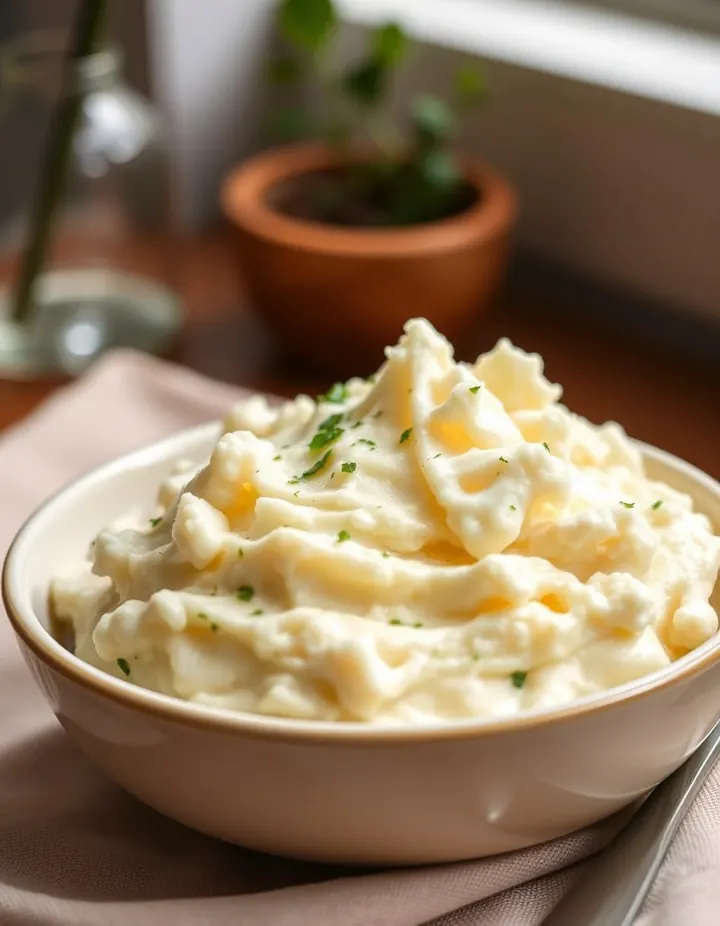 Creamed Cauliflower17 recipes
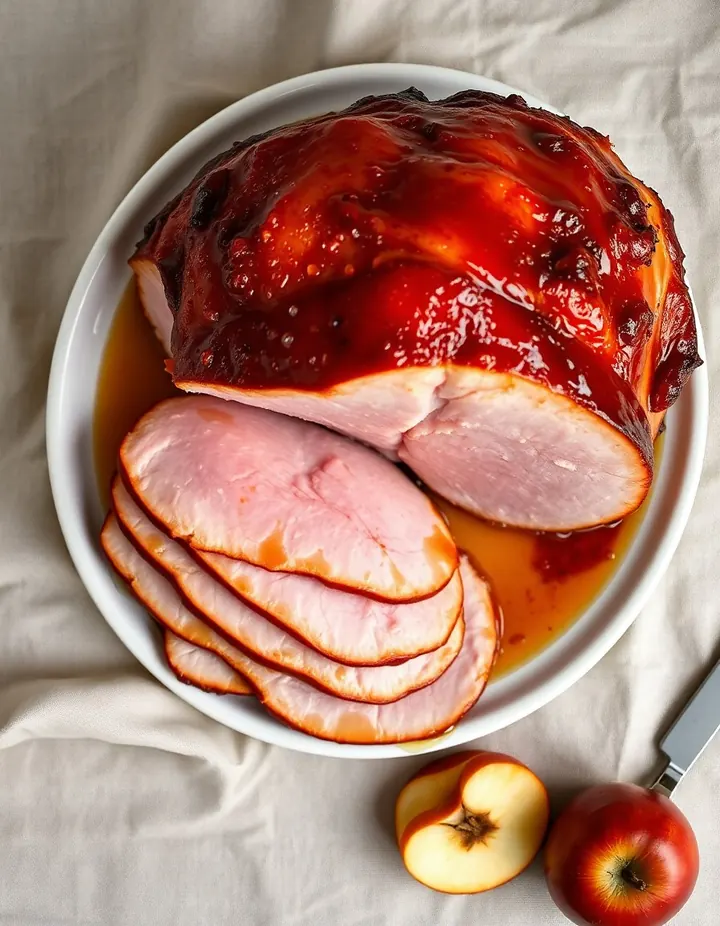 Ham in Cider10 recipes
The free Flavor Lab newsletter: one surprising pairing a week and the molecular reason it works, in 60 seconds. No spam, unsubscribe anytime.
Prefer an account? Create a free account to save pairings and unlock the full chemistry.