Why it works: Beans and asparagus match in chemistry and in kitchens. They rank in the top 1% of all ingredient pairs, and cooks put them together in 292 recipes. Both carry 2-isopropyl-3-methoxypyrazine, which smells earthy, pea. The science ↓
Small Vegetable Crusts, Macedoine Style
1 dozen mouldsIngredients
Directions
The book says “a moderate oven”. The 350°F (175°C) in the steps is the modern equivalent, not the book's own figure.
Prepare the moulds
Preheat the oven to 350°F (175°C).
Butter and flour the Timbal moulds.
Roll out the pastry dough and line the moulds with it.
Bake the crusts
Fill the moulds with flour and cover with a layer of pastry.
Create a decorative border around the top of each mould.
Mix the egg yolk with a few drops of water and baste the tops.
Bake in the oven until cooked, then cut out the covers carefully.
Remove the flour and baste the inside and outside of the crusts with egg yolks.
Place the crusts back in the oven to dry.
Fill and serve
Garnish with the Macedoine of vegetables, cooked separately.
Fill the crusts with the vegetables and drizzle with the reduced sauce.
Transcribed from a scanned cookbook and modernised for today's kitchens. Where the book gave no heat or time, or said "a moderate oven", the temperatures and times here may be modern equivalents rather than the book's own figures.
Explore the science
The flavor team
The pairs that carry this dish. Each one is judged two ways: how much their aromas overlap, and how often cooks already put them together.
-
Beans + asparagustop 1% of all pairsSmell alikestrongCooked together292 recipes
Shared aroma: 2-isopropyl-3-methoxypyrazine (earthy, pea).
-
Peas + asparagustop 4% of all pairsSmell alikestrongCooked together808 recipes
Shared aroma: 2-isopropyl-3-methoxypyrazine (earthy, pea).
-
Beans + carrottop 4% of all pairsSmell alikestrongCooked together1,443 recipes
Shared aroma: 2-isobutyl-3-methoxypyrazine (green bell pepper, earthy).
-
Peas + beanstop 5% of all pairsSmell alikestrongCooked together949 recipes
Shared aroma: 2-isobutyl-3-methoxypyrazine (green bell pepper, earthy).
-
Asparagus + carrottop 7% of all pairsSmell alikestrongCooked together571 recipes
Shared aroma: 2-isopropyl-3-methoxypyrazine (earthy, pea).
Ranks compare each pair with 20,000 random ingredient pairs on CompKitchen. How we score pairs
What each ingredient does
- Pâte brisée
- Forms the structural shell that holds its shape around the filling.
- Egg yolk
- Basting glaze that gives the crusts a glossy, browned finish.
- Butter
- Greases the moulds so the baked crusts release cleanly.
- Peas, beans, asparagus tops, carrots
- Provide the fresh vegetable filling and colour for the crusts.
- Reduced allemande or cream sauce
- Adds moisture and richness to the vegetable filling.
The step that matters
Cutting out the covers after baking. Once baked, the pastry is brittle and can crack or break, so the lids must be cut out carefully to keep the crust walls and decorative border intact for filling.
Swap the carrot
How well each one fits the dish's main ingredients (butter, flour, egg, peas, beans, asparagus, cream):
- Leekfits better
- Spinachfits better
- Chivefits better
- Carrotthe original
Fit is the average pairing score against butter, flour, egg, peas, beans, asparagus, cream. Candidates are from the same food group and used in at least 100 recipes.
“What each ingredient does” and “The step that matters” were written by Claude from this recipe’s own method and reviewed in samples by CompKitchen.
You might also like
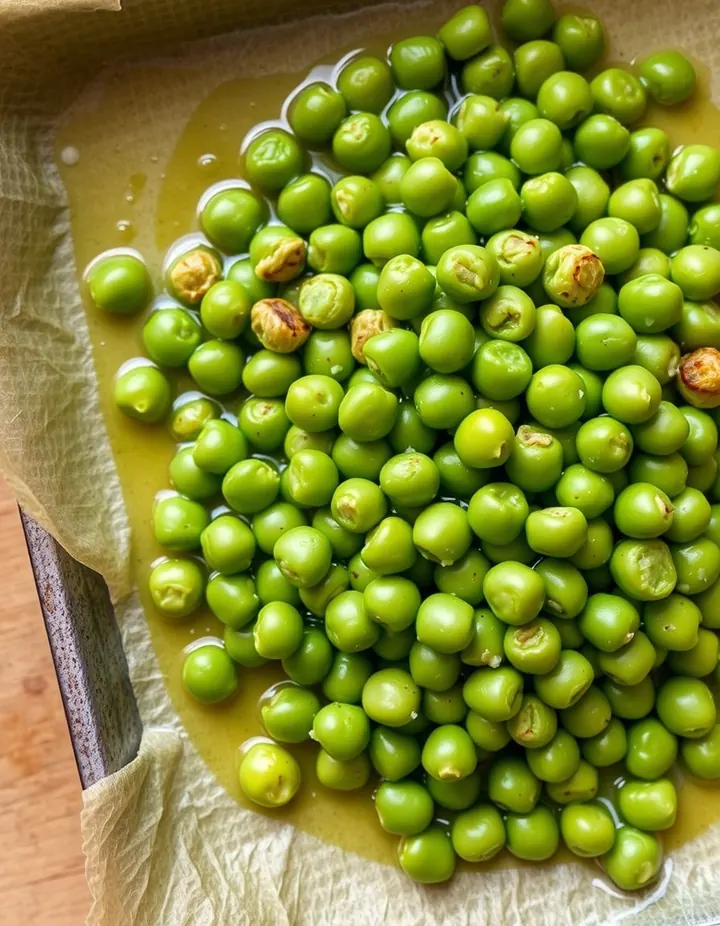 Green Peas229 recipes
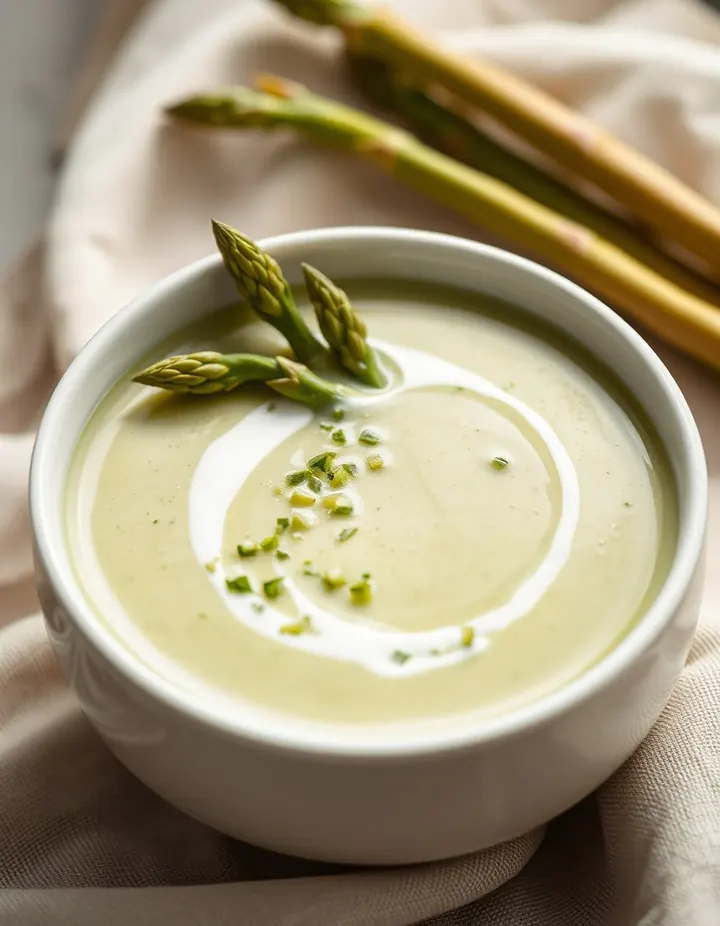 Asparagus Soup179 recipes
 Carrot Soup134 recipes
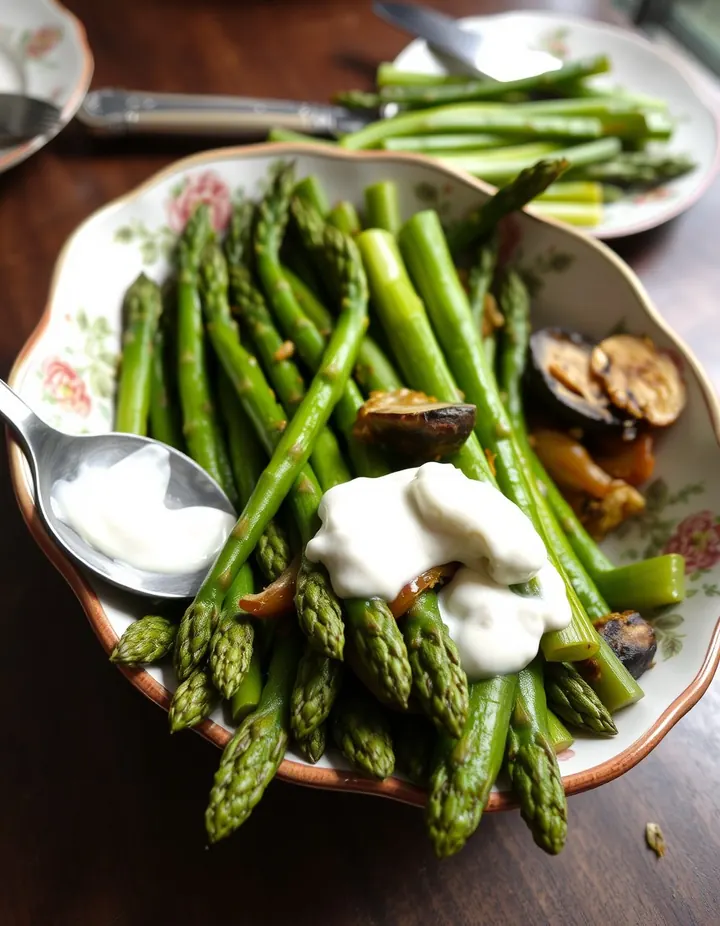 Asparagus Salad77 recipes
The free Flavor Lab newsletter: one surprising pairing a week and the molecular reason it works, in 60 seconds. No spam, unsubscribe anytime.
Prefer an account? Create a free account to save pairings and unlock the full chemistry.