Why it works: Lemon and nutmeg match in chemistry and in kitchens. They rank in the top 5% of all ingredient pairs, and cooks put them together in 11,318 recipes. Both carry beta-phellandrene, which smells minty, terpene. The science ↓
Sago Gruel
Ingredients
Directions
Cook the sago
Boil 1 quart of water in a saucepan.
Slowly add 3 tablespoons of sago while stirring with a wooden spoon.
Once it boils steadily, reduce heat and let it simmer for 45 minutes.
Flavour and serve
Add ⅓ cup of white wine, juice of 1 lemon, 2 teaspoons of powdered sugar, and a pinch of nutmeg.
Serve hot or let it cool in an earthen bowl before serving.
Transcribed from a scanned cookbook and modernised for today's kitchens. Where the book gave no heat or time, or said "a moderate oven", the temperatures and times here may be modern equivalents rather than the book's own figures.
Explore the science
The flavor team
The pairs that carry this dish. Each one is judged two ways: how much their aromas overlap, and how often cooks already put them together.
-
Lemon + nutmegtop 5% of all pairsSmell alikestrongCooked together11,318 recipes
Shared aroma: beta-phellandrene (minty, terpene).
-
White wine + lemontop 11% of all pairsSmell alikemoderateCooked together3,832 recipes
Shared aroma: myrcene (balsamic, herbaceous).
-
White wine + nutmegtop 17% of all pairsSmell alikemoderateCooked together1,659 recipes
Shared aroma: myrcene (balsamic, herbaceous).
-
Lemon + sugartop 18% of all pairsSmell alikelowCooked together53,532 recipes
Shared aroma: 2-nonenal (fatty, green).
-
Sugar + nutmegtop 20% of all pairsSmell alikelowCooked together23,364 recipes
Shared aroma: 1-penten-3-one (fish, pungent).
Lemon and sugar barely smell alike, yet cooks put them together in 53,532 recipes: they work on texture and structure more than aroma.
Ranks compare each pair with 20,000 random ingredient pairs on CompKitchen. How we score pairs
What each ingredient does
- Sago
- Starch that thickens the simmering water into a soft, pudding-like texture as it cooks.
- White wine
- Adds acidity and aroma that brighten the sweet, starchy pudding.
- Lemon juice
- Adds acidity that sharpens the flavour and balances the sugar.
- Powdered sugar
- Adds sweetness that rounds out the wine and lemon.
The step that matters
Simmering the sago. Sago must be added slowly while stirring so the granules do not clump, then simmered long enough for the starch to fully cook and turn translucent. Undercooked sago stays chalky and firm in the centre.
Swap the nutmeg
How well each one fits the dish's main ingredients (white wine, lemon, sugar):
- Marjoramfits better
- Thymefits better
- Tarragonfits better
- Nutmegthe original
Fit is the average pairing score against white wine, lemon, sugar. Candidates are from the same food group and used in at least 100 recipes.
“What each ingredient does” and “The step that matters” were written by Claude from this recipe’s own method and reviewed in samples by CompKitchen.
More sago pudding recipes
You might also like
 Lemon Cake228 recipes
 Lemon Ice147 recipes
 Lemon Sherbet103 recipes
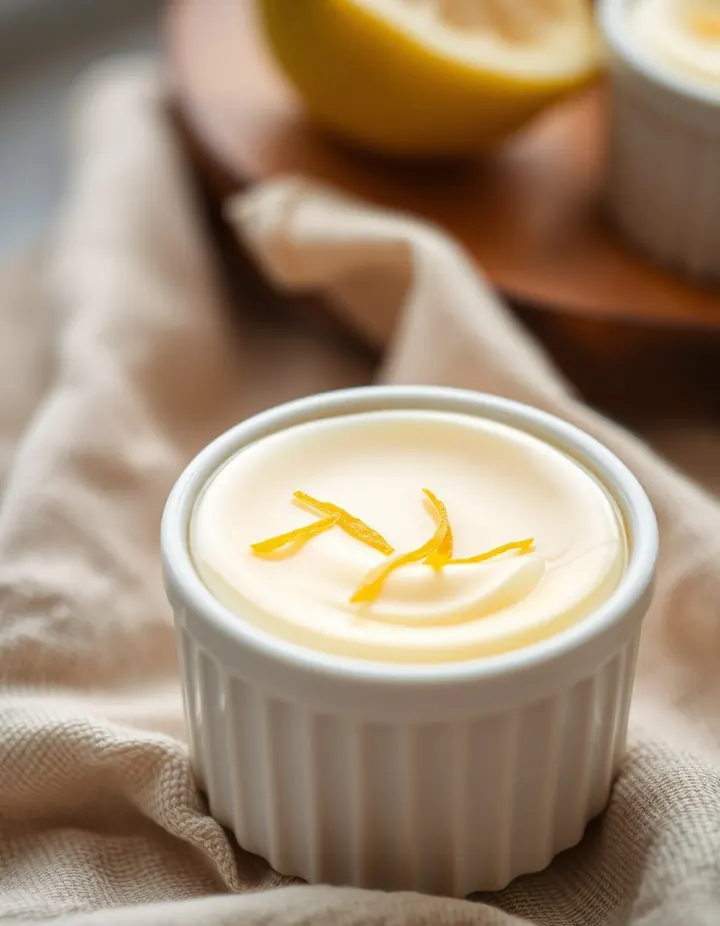 Lemon Custard64 recipes
The free Flavor Lab newsletter: one surprising pairing a week and the molecular reason it works, in 60 seconds. No spam, unsubscribe anytime.
Prefer an account? Create a free account to save pairings and unlock the full chemistry.