Why it works: Lobster and anchovy work together. They rank in the top 4% of all ingredient pairs, and cooks put them together in 470 recipes. Both carry octanal, which smells fat, soap. The science ↓
Lobster Timbales
Ingredients
Directions
The book says “a quick oven”. The 400°F (200°C) in the steps is the modern equivalent, not the book's own figure.
Prepare the mixture
Chop the lobster finely.
In a saucepan, combine the milk and bread crumbs and cook until it forms a paste.
Stir in the cream, anchovy essence, salt, and cayenne pepper.
Gently fold in the beaten egg whites.
Bake and serve
Pour the mixture into small timbale molds, filling them three‑fourths full.
Place the molds in a pan of hot water and cover with buttered paper.
Bake at 400 °F (200 °C) for 20 minutes.
Serve with lobster sauce.
Transcribed from a scanned cookbook and modernised for today's kitchens. Where the book gave no heat or time, or said "a moderate oven", the temperatures and times here may be modern equivalents rather than the book's own figures.
Explore the science
The flavor team
The pairs that carry this dish. Each one is judged two ways: how much their aromas overlap, and how often cooks already put them together.
-
Lobster + anchovytop 4% of all pairsSmell alikemoderateCooked together470 recipes
Shared aroma: octanal (fat, soap).
-
Lobster + creamtop 6% of all pairsSmell alikemoderateCooked together1,050 recipes
Shared aroma: 1-octen-3-one (mushroom, metallic).
-
Bread + anchovytop 10% of all pairsSmell alikemoderateCooked together1,260 recipes
Shared aroma: hexanol (green, fruity).
-
Bread + milktop 11% of all pairsSmell alikemoderateCooked together11,466 recipes
Shared aroma: 2-undecenal (sweet).
-
Anchovy + eggtop 12% of all pairsSmell alikemoderateCooked together2,330 recipes
Shared aroma: decanal (soap, orange peel).
Ranks compare each pair with 20,000 random ingredient pairs on CompKitchen. How we score pairs
What each ingredient does
- Egg whites
- Beaten whites trap air and set on baking, giving the timbales their light, firm structure.
- Stale bread crumbs
- Soaked and cooked into a paste, they thicken the mixture and add body.
- Milk
- Moistens the bread crumbs and forms the base of a tender, custard-like texture.
- Cream
- Adds richness and fat, softening the set texture and keeping the timbales moist.
- Lobster
- Provides the main flavor and protein that sets within the custard.
The step that matters
Folding in the egg whites. Folding gently keeps the whites' trapped air intact; stirring or deflating them makes the timbales dense and less puffed when baked.
“What each ingredient does” and “The step that matters” were written by Claude from this recipe’s own method and reviewed in samples by CompKitchen.
You might also like
 Brown Bread461 recipes
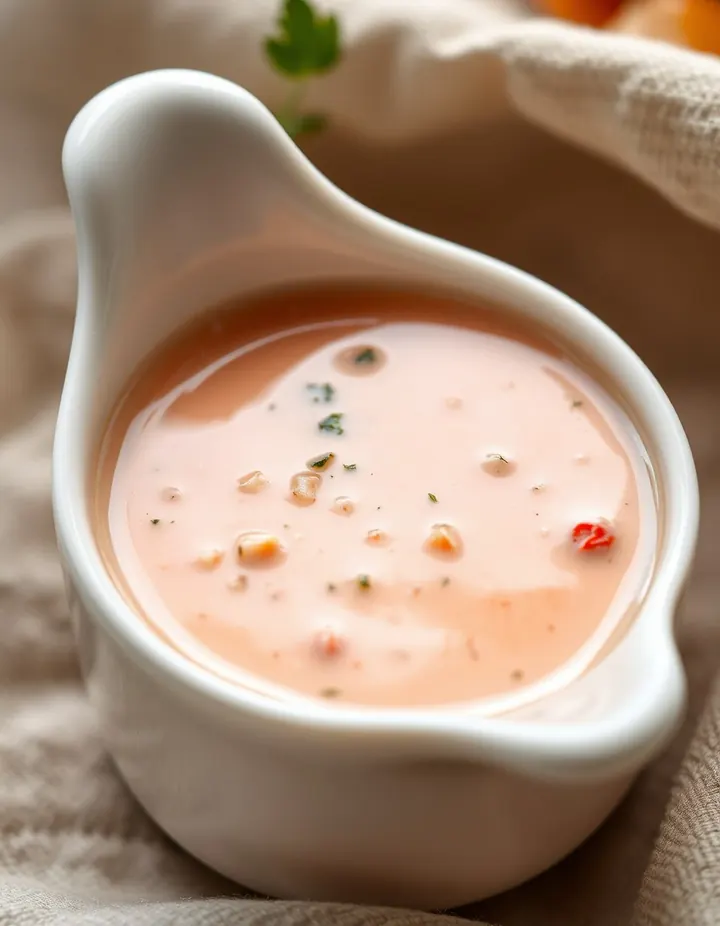 Lobster Sauce174 recipes
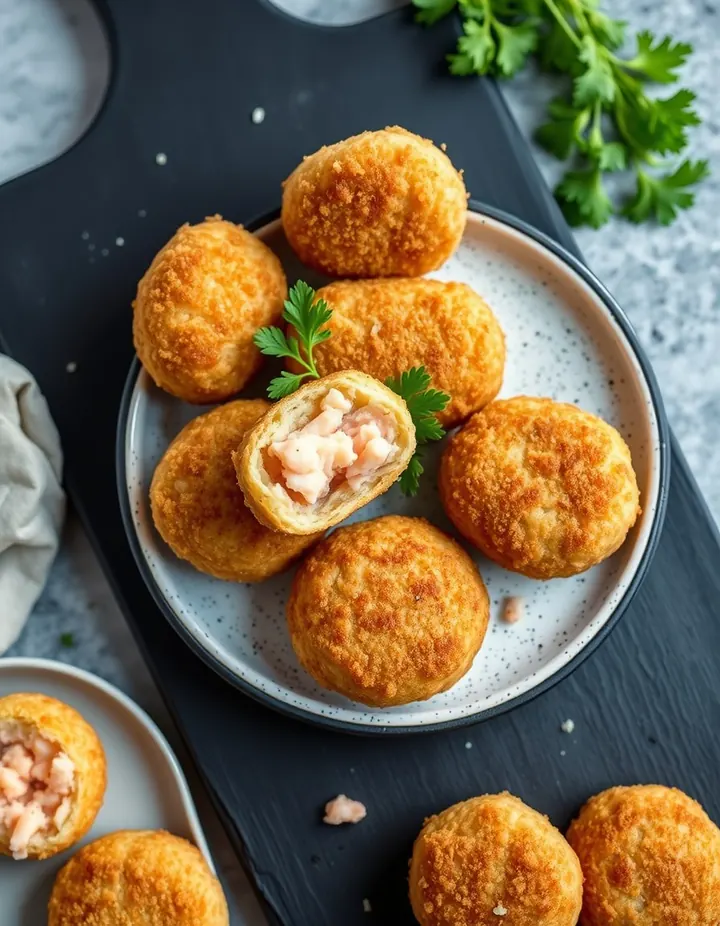 Lobster Croquettes99 recipes
 White Bread80 recipes
The free Flavor Lab newsletter: one surprising pairing a week and the molecular reason it works, in 60 seconds. No spam, unsubscribe anytime.
Prefer an account? Create a free account to save pairings and unlock the full chemistry.