Why it works: Lobster and sauce are a kitchen classic. They rank in the top 4% of all ingredient pairs, and 1,095 recipes mention both. Both carry ethanol, which smells alcoholic, ethereal. The science ↓
The recipe
Ingredients
Contains: milk, shellfish (auto-detected from the ingredients and method; we can miss things, so check labels)
Directions
The book says “a hot oven”. The 400°F (200°C) in the steps is the modern equivalent, not the book's own figure.
Make the sauce
Fry the lobster shells in butter with carrot, onions, thyme, and bay leaves until the vegetables begin to brown.
Add the lobster pulp and stir continuously for 5 minutes.
Moisten with white wine and cook for 5 more minutes.
Add tomato sauce and veloute sauce; cook together for 15 minutes.
Rub the mixture through a fine sieve into a clean saucepan.
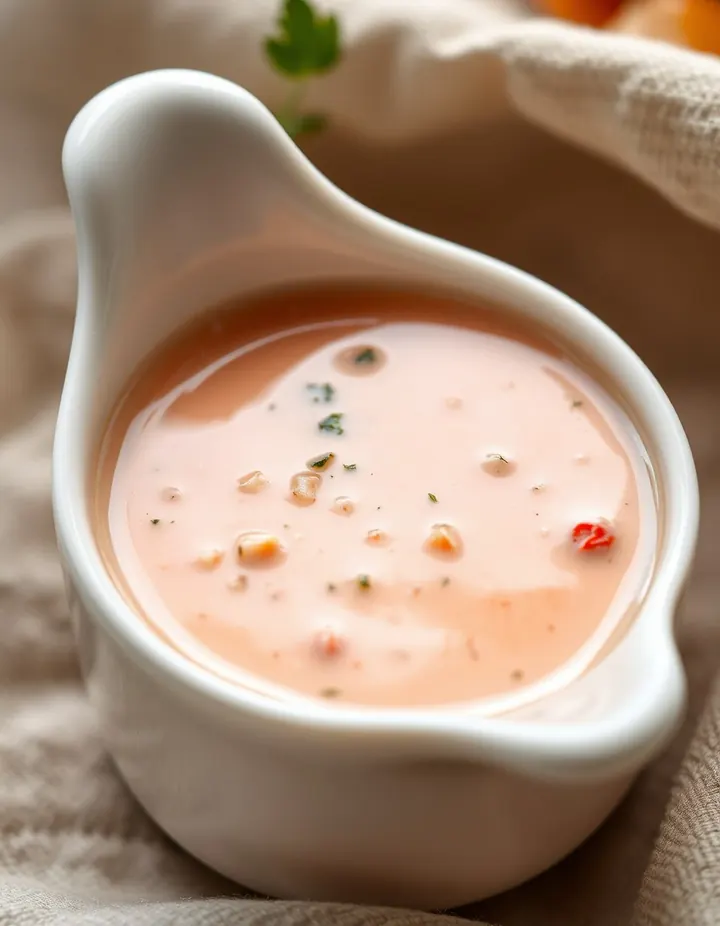
Reduce with cream until the sauce reaches a good consistency; season with salt and paprika.
Fill and bake
Remove the meat from the halved lobsters and slice it into pieces the size of a quarter.
Fill the lobster shells with some sauce, then arrange the lobster meat on top with alternate slices of mushrooms and truffles.
Cover with sauce, sprinkle with grated Parmesan cheese and melted butter.
Bake in a hot oven at 400°F (200°C) for 12 to 15 minutes.
Serve
Serve on a napkin.
Transcribed from a scanned cookbook and modernised for today's kitchens. Where the book gave no heat or time, or said "a moderate oven", the temperatures and times here may be modern equivalents rather than the book's own figures.
Explore the science
The flavor team
The pairs that carry this dish. Each one is judged two ways: how much aroma chemistry they share, and how many recipes mention both.
-
Lobster + saucetop 4% of all pairsAroma overlapmoderateMentioned together1,095 recipes
Shared aroma: ethanol (alcoholic, ethereal).
-
Carrot + thymetop 3% of all pairsAroma overlapstrongMentioned together4,563 recipes
Shared aroma: cuminaldehyde (Spicy, cumin).
-
Thyme + tomatotop 3% of all pairsAroma overlapstrongMentioned together2,370 recipes
Shared aroma: beta-phellandrene (minty, terpene).
-
Carrot + tomatotop 3% of all pairsAroma overlapstrongMentioned together3,597 recipes
Shared aroma: 2-isopropyl-3-methoxypyrazine (earthy, pea).
-
Butter + white winetop 3% of all pairsAroma overlapstrongMentioned together5,039 recipes
Shared aroma: ethyl octanoate (fruity, wine).
Ranks compare each pair with 20,000 random ingredient pairs on CompKitchen. How we score pairs
What each ingredient does
- Lobster shells
- Frying them in butter releases flavour compounds that give the sauce its characteristic lobster taste.
- Butter
- Carries the aromatics and enriches the sauce, adding fat and a rounded, silky mouthfeel.
- Tomato sauce
- Adds acidity and body, forming the reddish base of the sauce.
- Veloute sauce
- Provides a thickened stock-and-roux base that gives the sauce body and smoothness.
- Cream
- Adds richness and smooths the sauce, rounding its flavour and texture when reduced.
- Parmesan cheese
- Melts and browns on top in the oven, forming a golden, savoury crust.
The step that matters
Rub the mixture through a fine sieve and reduce with cream. Straining removes the shell and vegetable solids so the sauce is smooth, and reducing it concentrates flavour and thickens it to the right consistency before it is spooned over the lobster.
Flavor stand-ins for the carrot
How well each one fits the dish's main ingredients (lobster, butter, onion, thyme, white wine, tomato, sauce):
- Potatobetter flavor fit
- Capsicumbetter flavor fit
- Carrotthe original
- Shallotabout as good a flavor fit
Fit is the average pairing score against lobster, butter, onion, thyme, white wine, tomato, sauce. Candidates are from the same food group and used in at least 100 recipes. This compares flavor only: it does not check the job the ingredient does in the dish (bulk, moisture, acidity, structure).
“What each ingredient does” and “The step that matters” were written by Claude from this recipe’s own method and reviewed in samples by CompKitchen.
You might also like
 Illustration
 Illustration
 Illustration
 Illustration
The Sunday pairing: one pairing, the chemistry behind it, and how to cook it. No spam, unsubscribe anytime.
Prefer an account? Create a free account for sign-in; Pro adds the full results and chemistry.