Why it works: Lemon and currant are a kitchen classic. They rank in the top 20% of all ingredient pairs, and cooks put them together in 4,270 recipes. Both carry alpha-pinene, which smells pine, turpentine. The science ↓
Ribbon Jelly
Ingredients
Directions
Prepare the jellies
Chill the lemon jelly, currant jelly, and blanc mange until they begin to set.
Keep the remaining jellies in a warm room or near the fire.
Layer the mold
Wet a mold and pour in about 1/4 of the currant jelly. Set it on ice to harden.
Once the jelly in the mold is firm, carefully add some blanc mange and return the mold to the ice.
When the blanc mange is firm enough, add a layer of lemon jelly.
Continue layering the jellies, alternating between red and yellow, separated by white, until all are used.
Set and serve
Leave the mold on ice until ready to unmold and serve.
Transcribed from a scanned cookbook and modernised for today's kitchens. Where the book gave no heat or time, or said "a moderate oven", the temperatures and times here may be modern equivalents rather than the book's own figures.
Explore the science
The flavor team
The pairs that carry this dish. Each one is judged two ways: how much their aromas overlap, and how often cooks already put them together.
-
Lemon + curranttop 20% of all pairsSmell alikelowCooked together4,270 recipes
Shared aroma: alpha-pinene (pine, turpentine).
Ranks compare each pair with 20,000 random ingredient pairs on CompKitchen. How we score pairs
What each ingredient does
- Lemon jelly
- Forms the yellow layers, adding a bright, sweet-tart flavour and contrasting colour.
- Currant jelly
- Forms the red layers, adding fruity sweetness and acidity along with its colour.
- Blanc mange
- Forms the white separating layers, adding a mild, creamy texture that contrasts with the clear jellies.
The step that matters
Let each layer firm before adding the next. If a layer is still liquid when the next is poured, the two will blend instead of forming distinct ribbons. Each layer needs to set enough to hold its shape, and the mold must stay cold so the gelatine sets quickly and firmly.
“What each ingredient does” and “The step that matters” were written by Claude from this recipe’s own method and reviewed in samples by CompKitchen.
You might also like
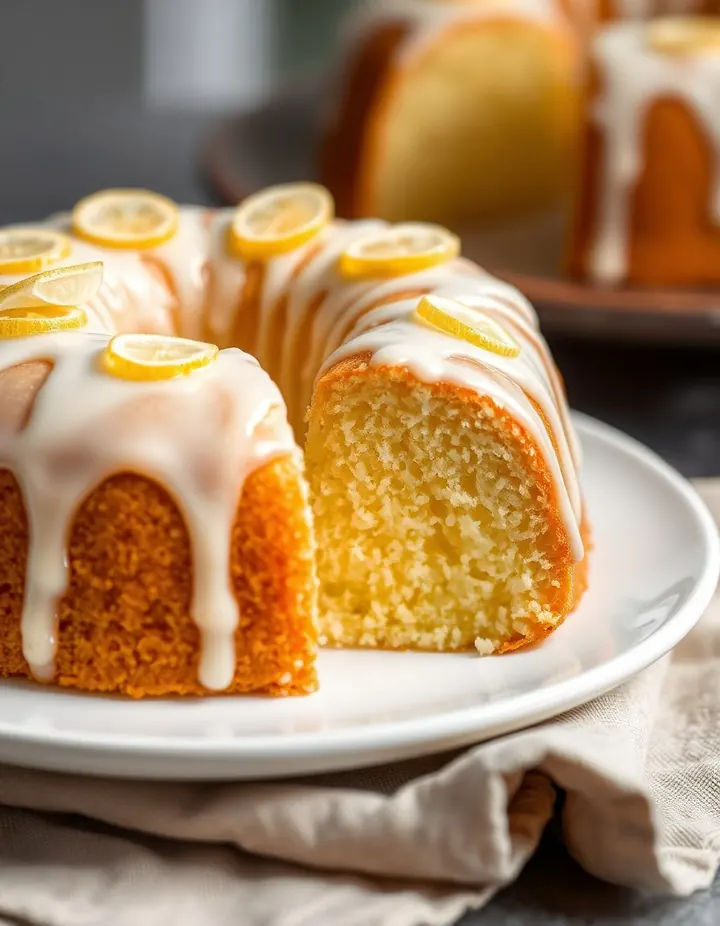 Lemon Cake228 recipes
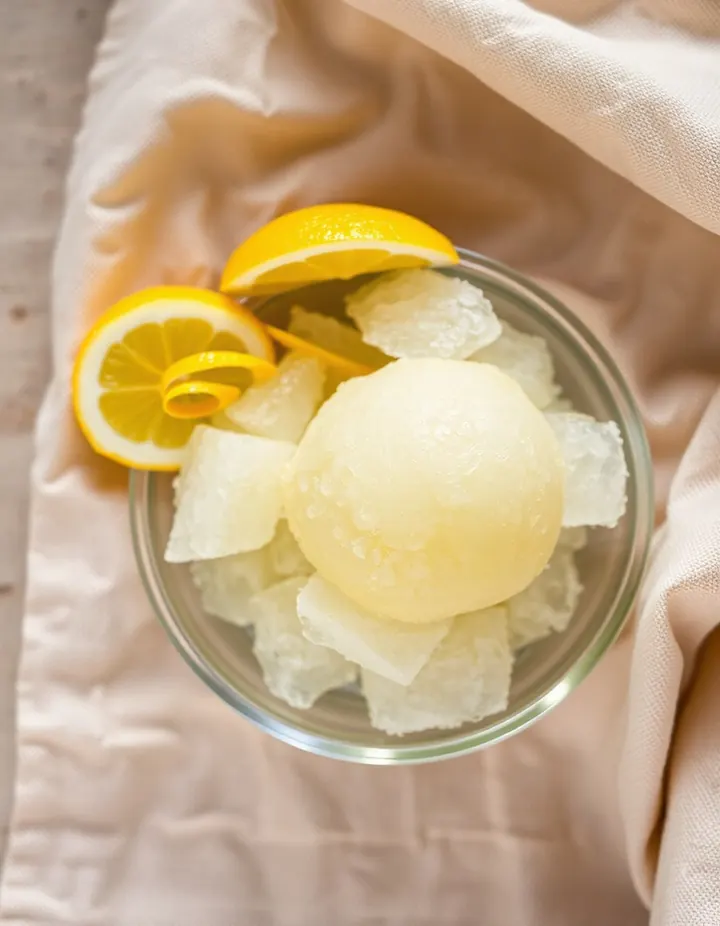 Lemon Ice147 recipes
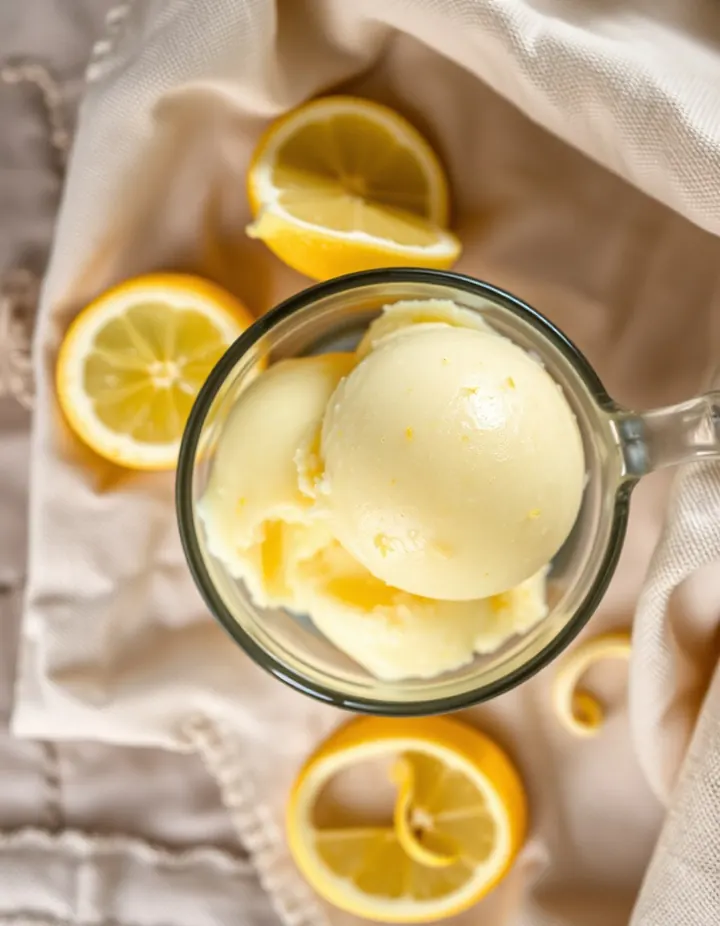 Lemon Sherbet103 recipes
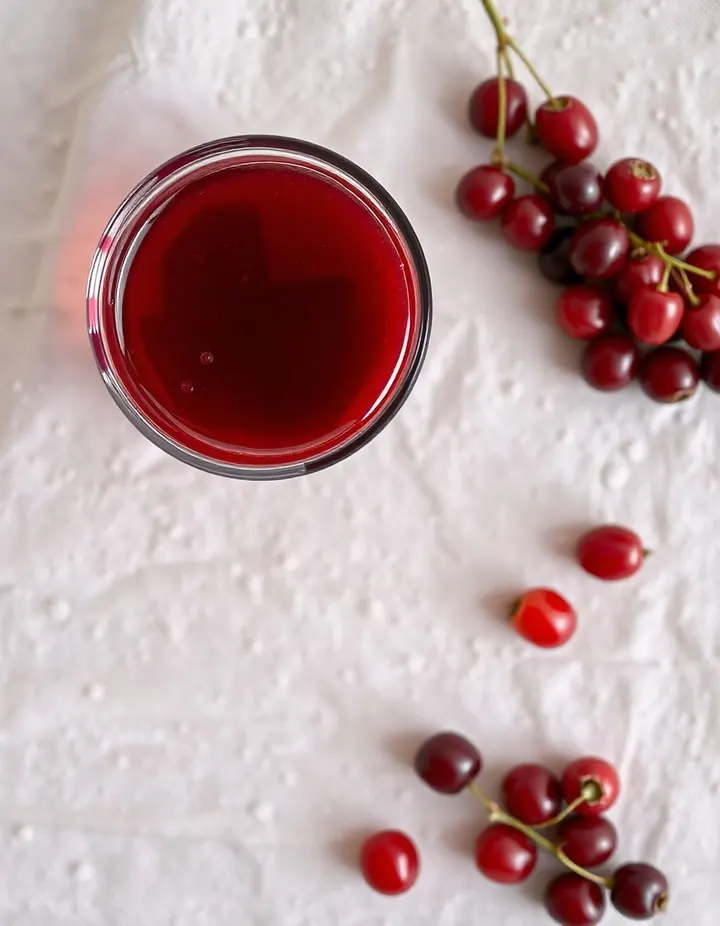 Red Currant Jelly65 recipes
The free Flavor Lab newsletter: one surprising pairing a week and the molecular reason it works, in 60 seconds. No spam, unsubscribe anytime.
Prefer an account? Create a free account to save pairings and unlock the full chemistry.