Why it works: Coffee and butter are a kitchen classic. They rank in the top 23% of all ingredient pairs, and cooks put them together in 2,442 recipes. Both carry 2-furfurylthiol, which smells coffee, roasted. The science ↓
Coffee-making
Ingredients
Directions
Roast
Melt a small amount of butter in a ten-inch frying pan over low heat.
Spread 4-5 tablespoons of coffee berries in the pan.
Stir the coffee berries with a fork.
Cook until the berries turn a light brown, discarding any that blacken.
Grind and brew
Immediately grind the roasted berries.
Brew the coffee.
Store
Store any unused coffee powder in a dry, airtight canister.
Transcribed from a scanned cookbook and modernised for today's kitchens. Where the book gave no heat or time, or said "a moderate oven", the temperatures and times here may be modern equivalents rather than the book's own figures.
Explore the science
The flavor team
The pairs that carry this dish. Each one is judged two ways: how much their aromas overlap, and how often cooks already put them together.
-
Coffee + buttertop 23% of all pairsSmell alikemoderateCooked together2,442 recipes
Shared aroma: 2-furfurylthiol (coffee, roasted).
Ranks compare each pair with 20,000 random ingredient pairs on CompKitchen. How we score pairs
What each ingredient does
- Coffee berries
- Are the raw material that roasting turns into aromatic, browned coffee flavor.
- Butter
- Adds a little fat to the pan so the berries heat evenly and roast without sticking.
The step that matters
Cook until the berries turn a light brown, discarding any that blacken.. Roasting browns the beans through sugar and protein reactions that build flavor, but the color changes quickly. Past light brown, beans scorch and taste bitter, so watching closely and removing blackened ones protects the batch.
“What each ingredient does” and “The step that matters” were written by Claude from this recipe’s own method and reviewed in samples by CompKitchen.
You might also like
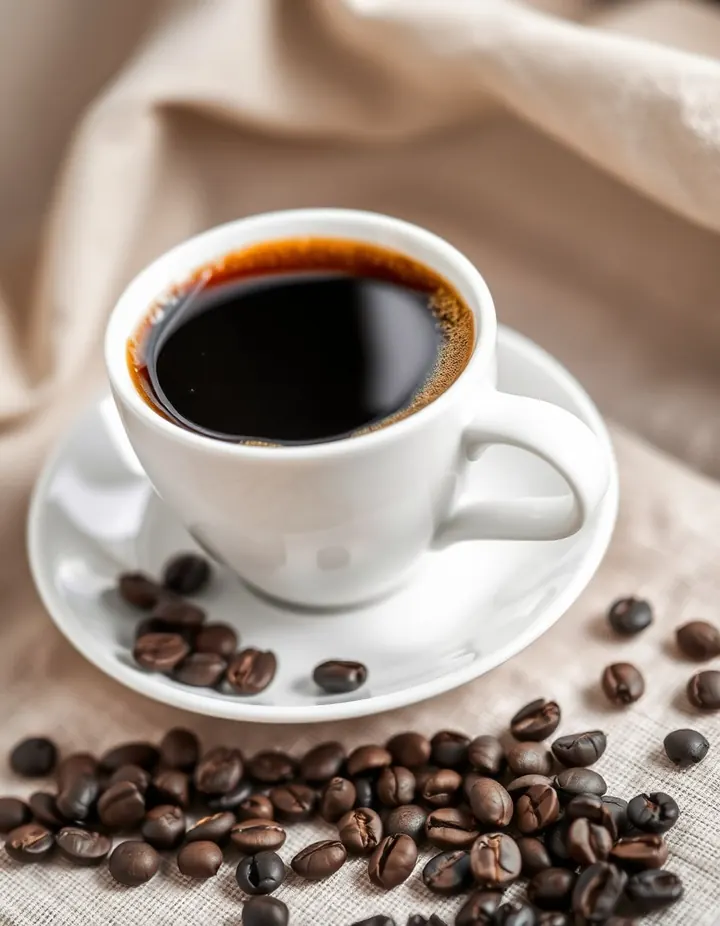 Brown Coffee with Egg175 recipes
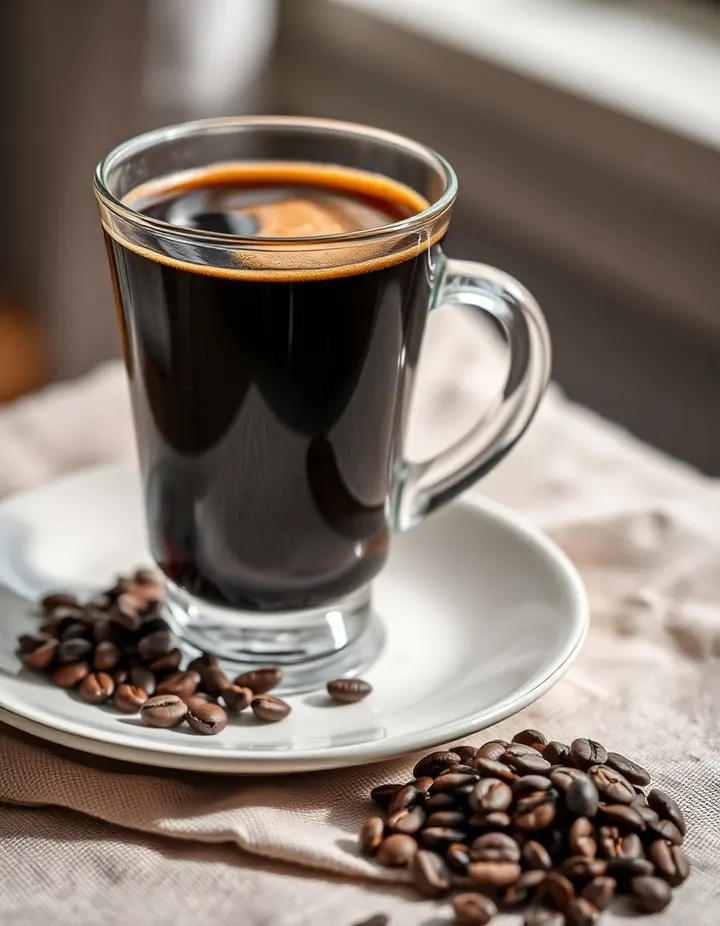 Egg Coffee20 recipes
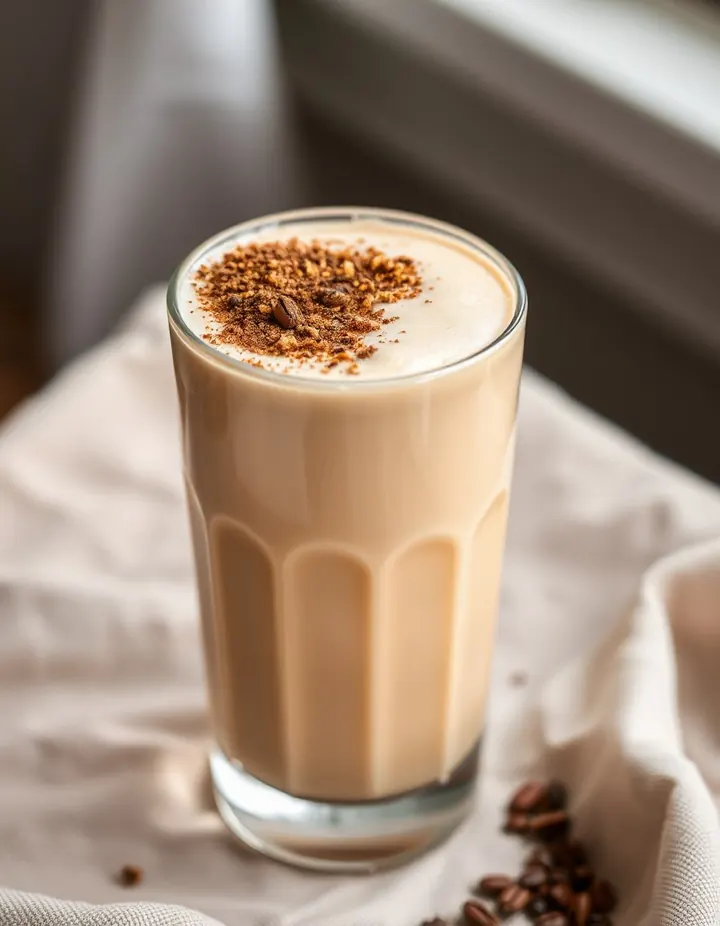 Coffee Milk12 recipes
 Postum Coffee9 recipes
The free Flavor Lab newsletter: one surprising pairing a week and the molecular reason it works, in 60 seconds. No spam, unsubscribe anytime.
Prefer an account? Create a free account to save pairings and unlock the full chemistry.