Why it works: Carrot and celery match in chemistry and in kitchens. They rank in the top 1% of all ingredient pairs, and cooks put them together in 10,173 recipes. Both carry myristicin, which smells spice, warm. The science ↓
Sturgeon a LA Beaufort
Ingredients
Directions
The book gives no oven temperature. The 300°F in the steps was added when the recipe was transcribed, as a starting point.
Prepare the fish
Draw, skin, and truss the sturgeon in the shape of an 'S'.
Braise it in mirepoix moistened with sherry and brandy until cooked.
Drain the fish and cool it in the larder.
Decorate
Cover the sturgeon with quenelle force-meat, restoring the head shape with force-meat mixed with lobster coral.
Shape the eyes, mouth, and gills with black truffles.
Place fillets of soles crosswise along the back, leaving 1-inch spaces filled with crayfish tails.
Cover the fish with thin layers of bacon and place it in a braiser with some mirepoix.
Cook and serve
About an hour before serving, cook it in a slow oven (300°F) or over a low fire with embers on the lid.
Simmer gently without boiling, then remove from the braise and discard the bacon.
Transfer the sturgeon to a serving dish and sauce it with rich Matelotte sauce and some braising liquid.
Garnish with soft roes of mackerel and quenelles of lobster.
Transcribed from a scanned cookbook and modernised for today's kitchens. Where the book gave no heat or time, or said "a moderate oven", the temperatures and times here may be modern equivalents rather than the book's own figures.
Explore the science
The flavor team
The pairs that carry this dish. Each one is judged two ways: how much their aromas overlap, and how often cooks already put them together.
-
Carrot + celerytop 1% of all pairsSmell alikestrongCooked together10,173 recipes
Shared aroma: myristicin (spice, warm).
-
Sherry + brandytop 6% of all pairsSmell alikemoderateCooked together1,209 recipes
Shared aroma: ethyl cinnamate (sweet, balsamic).
-
Carrot + oniontop 6% of all pairsSmell alikemoderateCooked together21,601 recipes
Shared aroma: 2-isopropyl-3-methoxypyrazine (earthy, pea).
-
Onion + celerytop 7% of all pairsSmell alikemoderateCooked together18,518 recipes
Shared aroma: guaiacol (smoky, sweet).
-
Sturgeon + whitingtop 11% of all pairsSmell alikemoderateCooked together16 recipes
Shared aroma: ethanol (alcoholic, ethereal).
Ranks compare each pair with 20,000 random ingredient pairs on CompKitchen. How we score pairs
What each ingredient does
- Sturgeon
- Forms the main body of the dish and carries the flavour of the braise.
- Quenelle force-meat of whitings
- Forms a smooth, tender coating that shapes the fish and holds the decoration.
- Fillets of soles
- Lie across the back to add delicate, flaky texture and a contrast to the firm sturgeon.
- Thin layers of fat bacon
- Add fat and savoury flavour that bastes the fish and keeps it moist during braising.
- Matelotte sauce
- Adds richness and moisture to the finished fish when spooned over it.
The step that matters
Slow, gentle braise without boiling. Simmering gently rather than boiling keeps the delicate fish tender and intact, because hard boiling toughens proteins and breaks the fish apart.
Swap the onion
How well each one fits the dish's main ingredients (sturgeon, carrot, celery, sherry, brandy, meat, whiting):
- Shallotfits better
- Capsicumfits about as well
- Mustardfits about as well
- Onionthe original
Fit is the average pairing score against sturgeon, carrot, celery, sherry, brandy, meat, whiting. Candidates are from the same food group and used in at least 100 recipes.
“What each ingredient does” and “The step that matters” were written by Claude from this recipe’s own method and reviewed in samples by CompKitchen.
You might also like
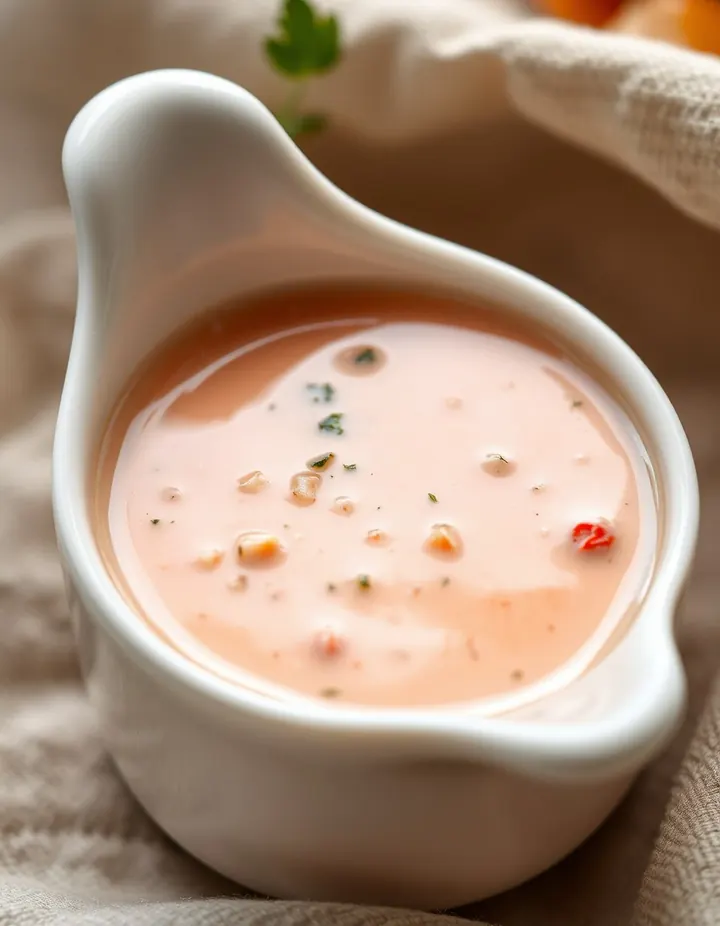 Lobster Sauce174 recipes
 Carrot Soup134 recipes
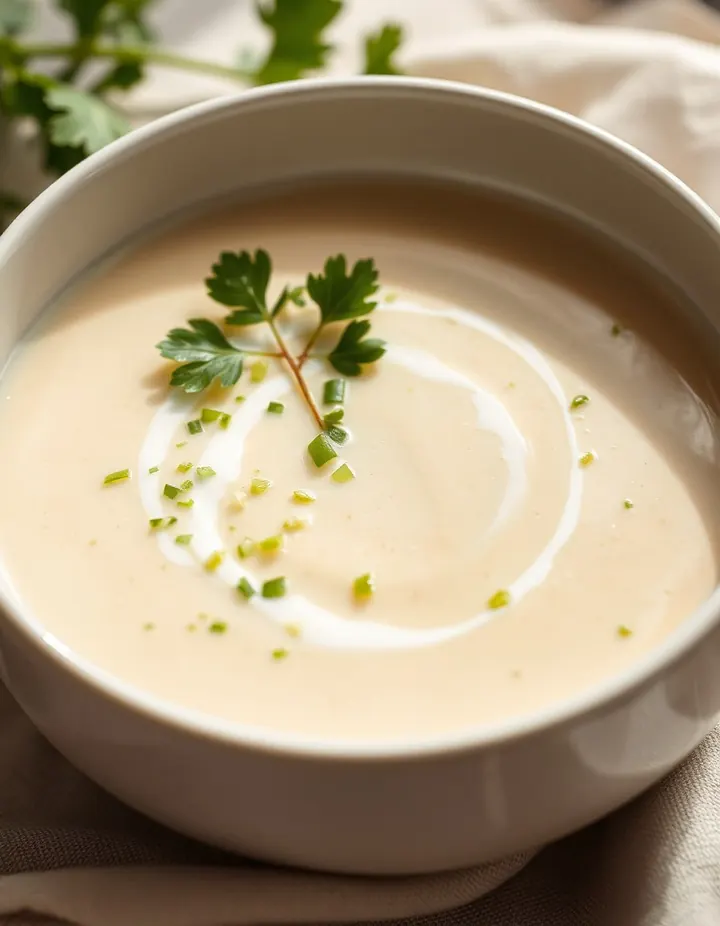 Cream of Celery Soup113 recipes
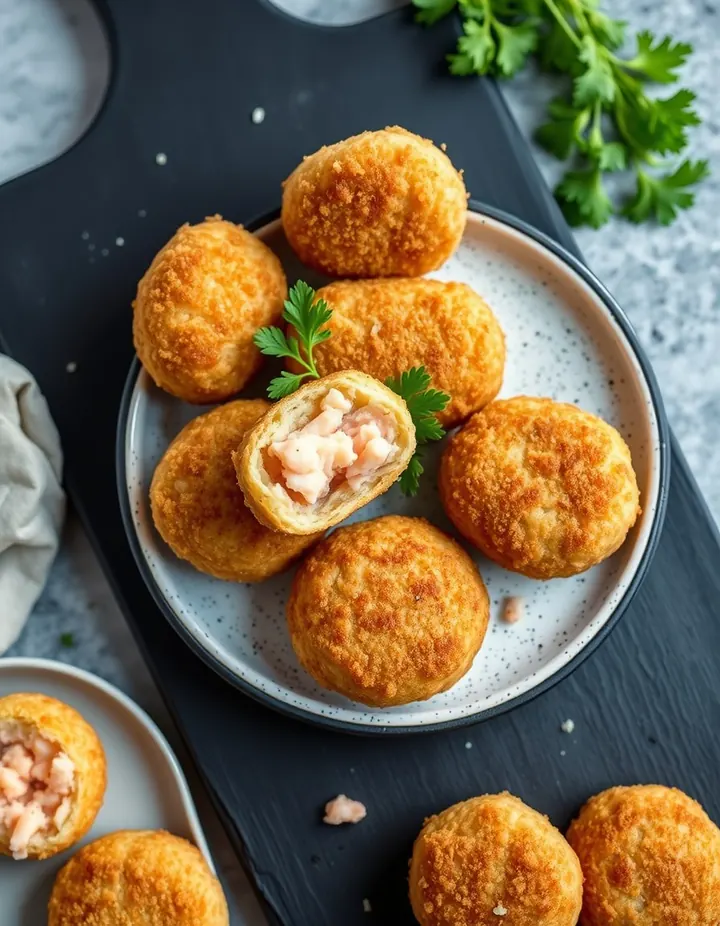 Lobster Croquettes99 recipes
The free Flavor Lab newsletter: one surprising pairing a week and the molecular reason it works, in 60 seconds. No spam, unsubscribe anytime.
Prefer an account? Create a free account to save pairings and unlock the full chemistry.