Why it works: Onion and potato are a kitchen classic. They rank in the top 3% of all ingredient pairs, and cooks put them together in 9,023 recipes. Both carry 2-isopropyl-3-methoxypyrazine, which smells earthy, pea. The science ↓
Beefsteak Pie
Ingredients
Directions
The book says “a hot oven”. The 400°F (200°C) in the steps is the modern equivalent, not the book's own figure.
Prepare the filling
Cut the steak into strips 1.5 inches long and 1 inch wide.
Place the steak in a saucepan, cover with boiling water, and add the sliced onion.
Simmer until the meat is tender, then remove the meat and discard the onion.
Add the sliced potatoes to the liquid and parboil for 6 minutes, then remove the potatoes.
Measure the liquid and add enough boiling water to make 1 pint, then add the salt and pepper.
Cream the butter and flour together, add to the liquid, and cook for 5 minutes.
Assemble
In a pudding dish, layer half the potatoes, then the meat, and top with the remaining potatoes.
Pour enough gravy over the contents to cover them completely.
Make the crust and bake
When cool, cover with a crust made from the flour, baking powder, and salt.
Cream the butter and lard together, mix with the dry ingredients, and add enough milk to make a soft dough.
Roll out the dough to ¼ inch thick and cover the pudding dish.
Bake in a hot oven at 400°F (200°C) until golden.
Transcribed from a scanned cookbook and modernised for today's kitchens. Where the book gave no heat or time, or said "a moderate oven", the temperatures and times here may be modern equivalents rather than the book's own figures.
Explore the science
The flavor team
The pairs that carry this dish. Each one is judged two ways: how much their aromas overlap, and how often cooks already put them together.
-
Onion + potatotop 3% of all pairsSmell alikemoderateCooked together9,023 recipes
Shared aroma: 2-isopropyl-3-methoxypyrazine (earthy, pea).
-
Butter + milktop 7% of all pairsSmell alikemoderateCooked together81,283 recipes
Shared aroma: (z)-4-heptenal (biscuit, cream).
-
Potato + peppertop 9% of all pairsSmell alikemoderateCooked together8,305 recipes
Shared aroma: 2-isopropyl-3-methoxypyrazine (earthy, pea).
-
Potato + milktop 9% of all pairsSmell alikemoderateCooked together3,611 recipes
Shared aroma: (e,z)-2,6-nonadienal (cucumber, melon).
-
Onion + peppertop 11% of all pairsSmell alikemoderateCooked together68,474 recipes
Shared aroma: 2-isopropyl-3-methoxypyrazine (earthy, pea).
Ranks compare each pair with 20,000 random ingredient pairs on CompKitchen. How we score pairs
What each ingredient does
- Round steak
- Provides the main meat, which becomes tender through long simmering in the gravy.
- Flour
- Thickens the cooking liquid into a gravy when creamed with butter and cooked.
- Potatoes
- Form a starchy layer that absorbs gravy and adds body to the pie.
- Butter
- Adds richness and flavour to the gravy and gives the crust a tender, flaky texture.
- Lard
- Adds fat to the crust, helping it stay short and tender.
- Baking powder
- Releases gas in the crust dough, helping it rise and lighten.
The step that matters
Cream the butter and flour together and cook the gravy. Butter and flour must be blended smoothly and cooked for the full five minutes so the flour fully thickens the liquid and loses its raw taste. Undercooked flour leaves the gravy pasty.
Swap the onion
How well each one fits the dish's main ingredients (flour, butter, potato, pepper, milk):
- Chivefits better
- Capsicumfits better
- Asparagusfits better
- Onionthe original
Fit is the average pairing score against flour, butter, potato, pepper, milk. Candidates are from the same food group and used in at least 100 recipes.
“What each ingredient does” and “The step that matters” were written by Claude from this recipe’s own method and reviewed in samples by CompKitchen.
You might also like
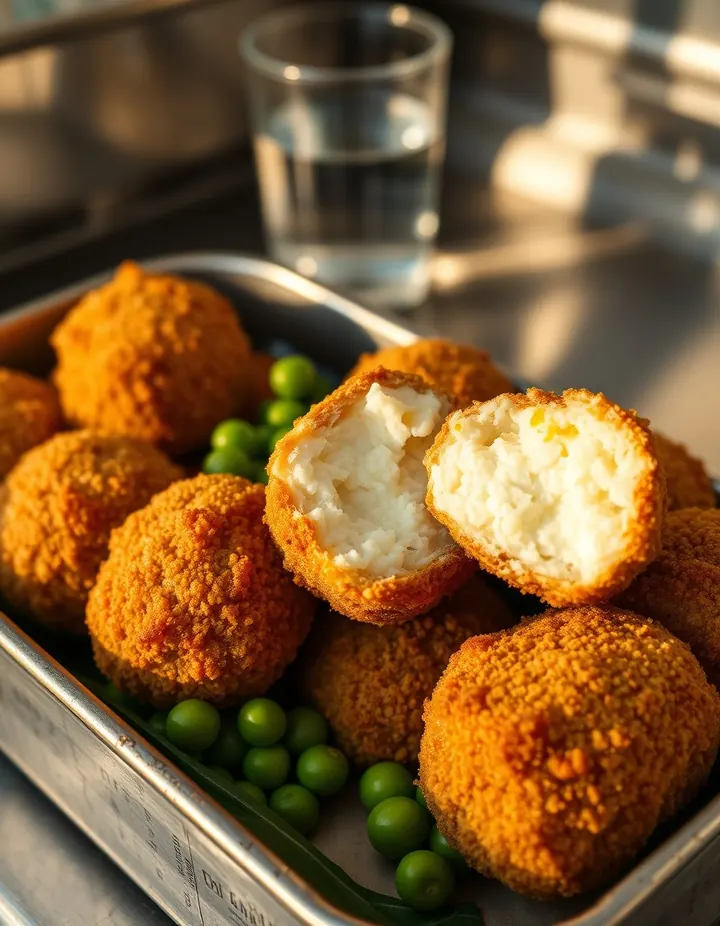 Potato Croquettes255 recipes
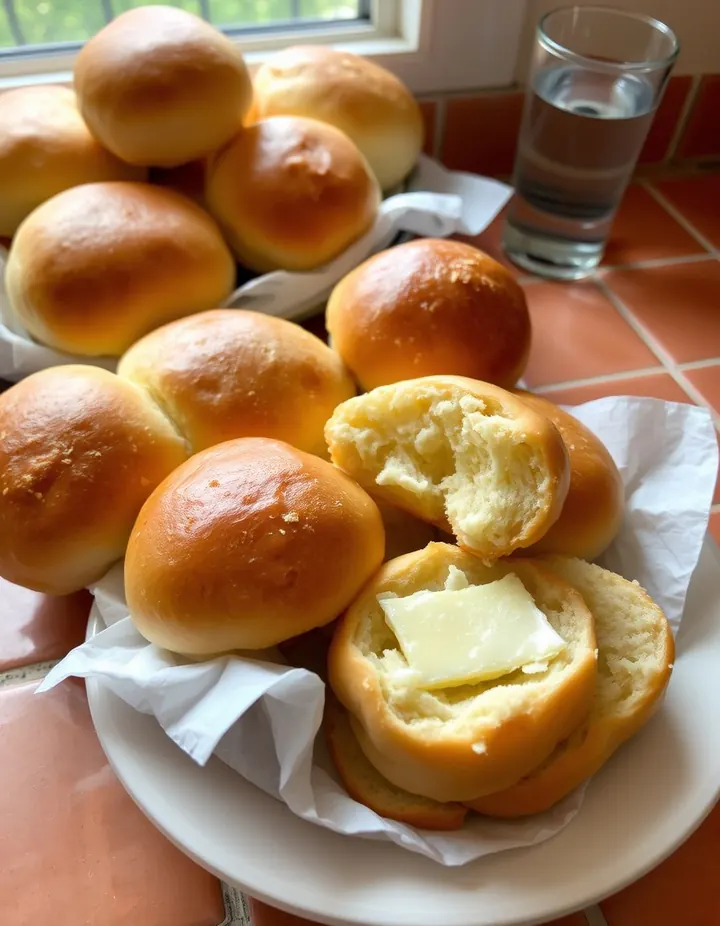 Potato Rolls78 recipes
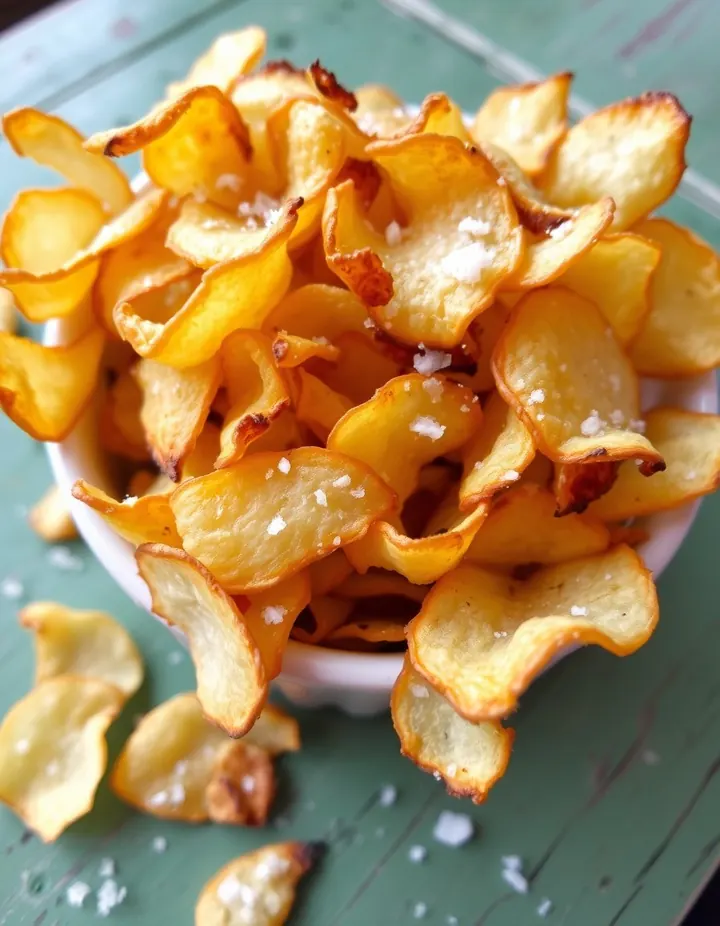 Potato Chips53 recipes
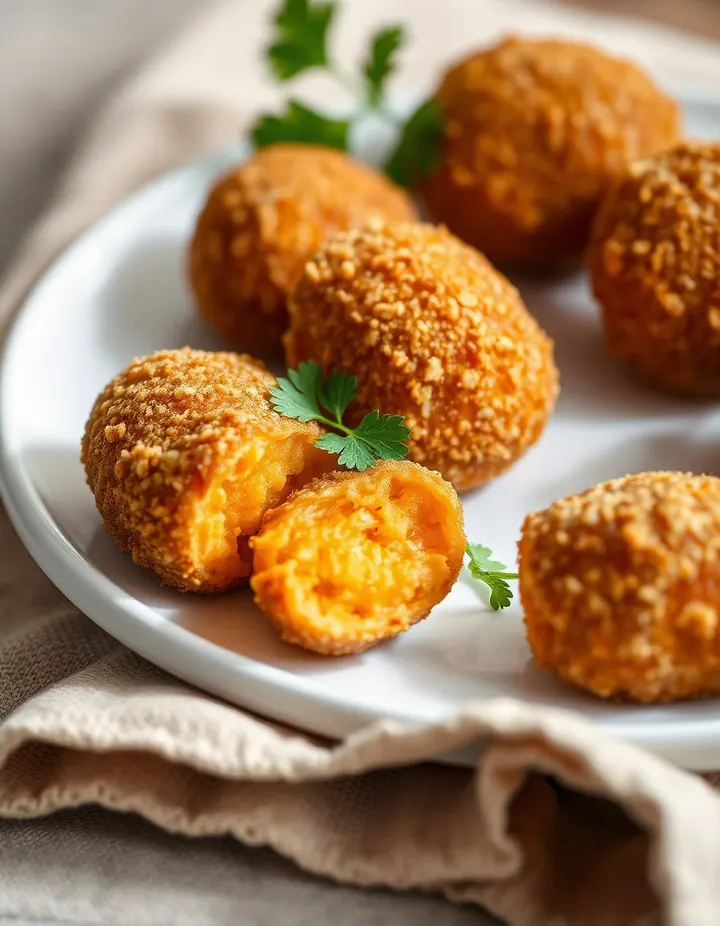 Sweet Potato Croquettes53 recipes
The free Flavor Lab newsletter: one surprising pairing a week and the molecular reason it works, in 60 seconds. No spam, unsubscribe anytime.
Prefer an account? Create a free account to save pairings and unlock the full chemistry.