Why it works: Flour and raisin match in chemistry and in kitchens. They rank in the top 1% of all ingredient pairs, and cooks put them together in 9,075 recipes. Both carry isobutyraldehyde, which smells malty, green. The science ↓
Neapolitan Cake
Ingredients
Directions
The book gives no oven temperature. The 350°F (175°C) in the steps was added when the recipe was transcribed, as a starting point.
Make the dark batter
Preheat the oven to 350°F (175°C).
In a bowl, mix brown sugar, eggs, butter, molasses, strong coffee, flour, raisins, currants, baking soda, cinnamon, cloves, and mace until well combined.
Pour the mixture into round jelly pans.
Make the white batter
Ensure the loaves are 1½ inches thick after baking.
In another bowl, cream together sugar and butter.
Add milk, flour, corn-starch, egg whites, and cream of tartar.
Pour the white mixture into separate jelly pans.
Bake until done.
Frost and assemble
Once cooled, beat the egg white for frosting.
Mix in the grated lemon rind, lemon juice, and enough powdered sugar to create a thick frosting.
Spread the frosting on each black loaf.
Layer a white loaf on top of each black loaf.
Frost the top.
Transcribed from a scanned cookbook and modernised for today's kitchens. Where the book gave no heat or time, or said "a moderate oven", the temperatures and times here may be modern equivalents rather than the book's own figures.
Explore the science
The flavor team
The pairs that carry this dish. Each one is judged two ways: how much their aromas overlap, and how often cooks already put them together.
-
Flour + raisintop 1% of all pairsSmell alikestrongCooked together9,075 recipes
Shared aroma: isobutyraldehyde (malty, green).
-
Raisin + curranttop 10% of all pairsSmell alikelowCooked together6,180 recipes
Shared aroma: gamma-nonanolactone (coconut, creamy).
-
Sugar + molassestop 11% of all pairsSmell alikemoderateCooked together9,225 recipes
Shared aroma: ethanol (alcoholic, ethereal).
-
Butter + flourtop 12% of all pairsSmell alikelowCooked together124,287 recipes
Shared aroma: isobutyraldehyde (malty, green).
-
Molasses + raisintop 12% of all pairsSmell alikelowCooked together3,577 recipes
Shared aroma: ethanol (alcoholic, ethereal).
Butter and flour barely smell alike, yet cooks put them together in 124,287 recipes: they work on texture and structure more than aroma.
Ranks compare each pair with 20,000 random ingredient pairs on CompKitchen. How we score pairs
What each ingredient does
- Eggs
- Bind the dark batter and add structure as they set in the oven.
- Butter
- Adds richness and tenderness to both the dark and white batters.
- Molasses
- Adds moisture, deep sweetness and the dark colour of the dark loaves.
- Flour
- Forms the structure of both batters as proteins set during baking.
- Baking soda
- Reacts with the acidic molasses and coffee to help the loaves rise.
- Egg whites
- Whip and set in the white batter, giving it a light, airy crumb.
The step that matters
Bake until done. Both batters are baked in thin jelly pans, so the loaves can dry out quickly if overbaked. Checking for doneness early keeps them moist, which matters for the layers to hold together when stacked and frosted.
Swap the currant
How well each one fits the dish's main ingredients (sugar, egg, butter, molasses, coffee, flour, raisin):
- Vanillafits better
- Figfits better
- Applefits about as well
- Currantthe original
Fit is the average pairing score against sugar, egg, butter, molasses, coffee, flour, raisin. Candidates are from the same food group and used in at least 100 recipes.
“What each ingredient does” and “The step that matters” were written by Claude from this recipe’s own method and reviewed in samples by CompKitchen.
You might also like
 Lemon Cake228 recipes
 Lemon Ice147 recipes
 Lemon Sherbet103 recipes
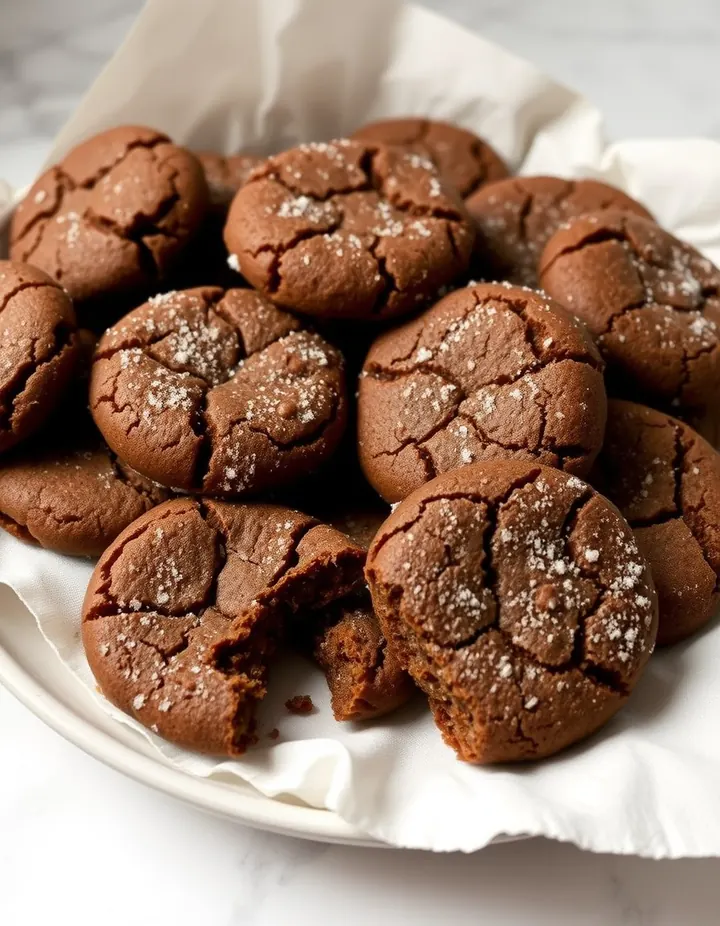 Molasses Cookies96 recipes
The free Flavor Lab newsletter: one surprising pairing a week and the molecular reason it works, in 60 seconds. No spam, unsubscribe anytime.
Prefer an account? Create a free account to save pairings and unlock the full chemistry.