Why it works: Cucumber and horseradish match in chemistry and in kitchens. They rank in the top 2% of all ingredient pairs, and cooks put them together in 640 recipes. Both carry 2-isopropyl-3-methoxypyrazine, which smells earthy, pea. The science ↓
Flint Pickles
Ingredients
Directions
Brine the cucumbers
Wash the cucumbers.
Place the cucumbers in jars.
Make a brine with 1 teacup of salt and 1 gallon of water.
Boil the brine and pour it over the cucumbers.
Move the brine over the cucumbers for nine mornings.
Boil the brine and pour it over the cucumbers each time.
Wash the cucumbers in hot water.
Let the cucumbers drain.
Pack and pickle
Once cool, layer the cucumbers in stone jars with grape leaves, horseradish, and sliced onions if desired.
Make a syrup with good vinegar and sugar to taste, adding a stick of cinnamon and a little celery seed.
Boil the syrup and pour it over the pickles.
Invert a plate or saucer on top and place a small weight on it.
Tie up closely.
Transcribed from a scanned cookbook and modernised for today's kitchens. Where the book gave no heat or time, or said "a moderate oven", the temperatures and times here may be modern equivalents rather than the book's own figures.
Explore the science
The flavor team
The pairs that carry this dish. Each one is judged two ways: how much their aromas overlap, and how often cooks already put them together.
-
Cucumber + horseradishtop 2% of all pairsSmell alikestrongCooked together640 recipes
Shared aroma: 2-isopropyl-3-methoxypyrazine (earthy, pea).
-
Horseradish + celerytop 6% of all pairsSmell alikemoderateCooked together835 recipes
Shared aroma: coumarin (sweet, hay).
-
Horseradish + cinnamontop 6% of all pairsSmell alikestrongCooked together515 recipes
Shared aroma: coumarin (sweet, hay).
-
Horseradish + oniontop 7% of all pairsSmell alikestrongCooked together1,784 recipes
Shared aroma: coumarin (sweet, hay).
-
Cinnamon + celerytop 7% of all pairsSmell alikestrongCooked together1,009 recipes
Shared aroma: beta-phellandrene (minty, terpene).
Ranks compare each pair with 20,000 random ingredient pairs on CompKitchen. How we score pairs
What each ingredient does
- Medium-sized cucumbers
- Provide the crisp vegetable body that the brine and syrup flavour and preserve.
- Coarse sea salt
- Draws water out of the cucumbers and seasons the brine, firming the flesh.
- Good vinegar
- Adds sharp acidity to the syrup, which helps preserve the pickles and gives tang.
- Sugar
- Balances the sharpness of the vinegar with sweetness.
- Grape leaves
- Contribute tannins that help the cucumbers stay firm and crisp.
The step that matters
Boil the brine and pour it over the cucumbers each time. Repeatedly reheating the brine keeps it hot enough to limit spoilage microbes and keeps the cucumbers firm across the nine-day process. Letting the brine cool or skipping a renewal weakens that protection.
Swap the onion
The recipe marks onion as optional. How well each one fits the dish's main ingredients (cucumber, grape, horseradish, vinegar, sugar, cinnamon, celery):
- Mustardfits better
- Beetrootfits better
- Radishfits better
- Onionthe original
Fit is the average pairing score against cucumber, grape, horseradish, vinegar, sugar, cinnamon, celery. Candidates are from the same food group and used in at least 100 recipes.
“What each ingredient does” and “The step that matters” were written by Claude from this recipe’s own method and reviewed in samples by CompKitchen.
You might also like
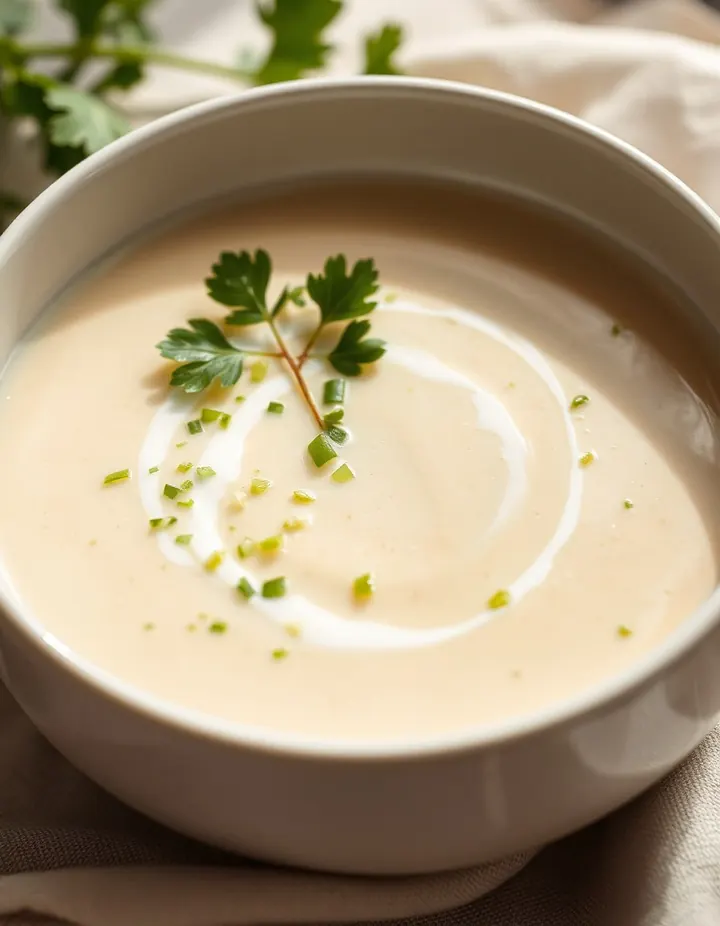 Cream of Celery Soup113 recipes
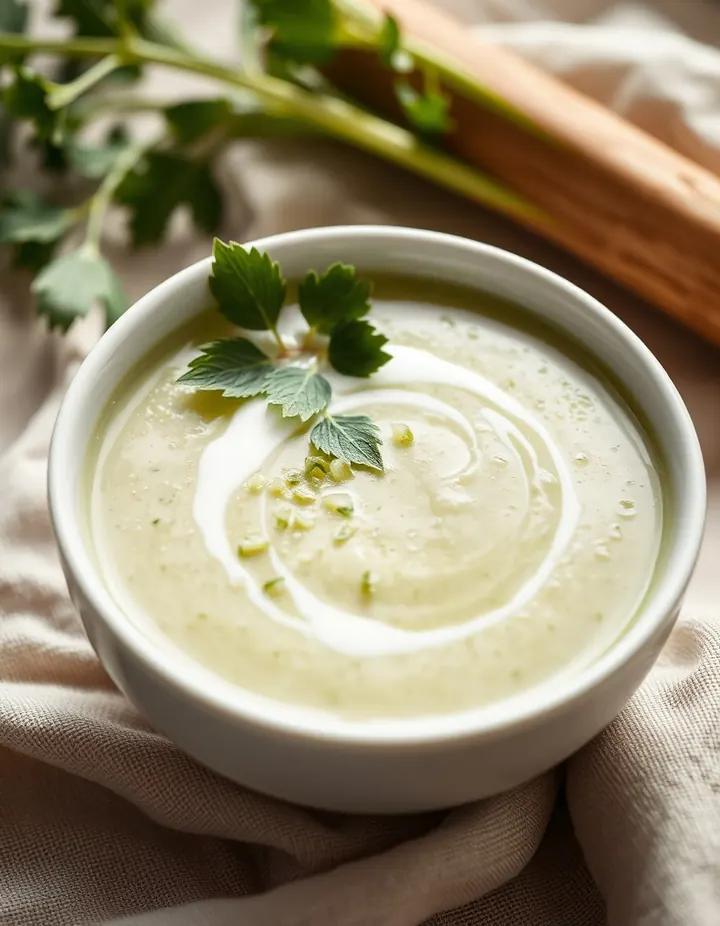 Celery Stew25 recipes
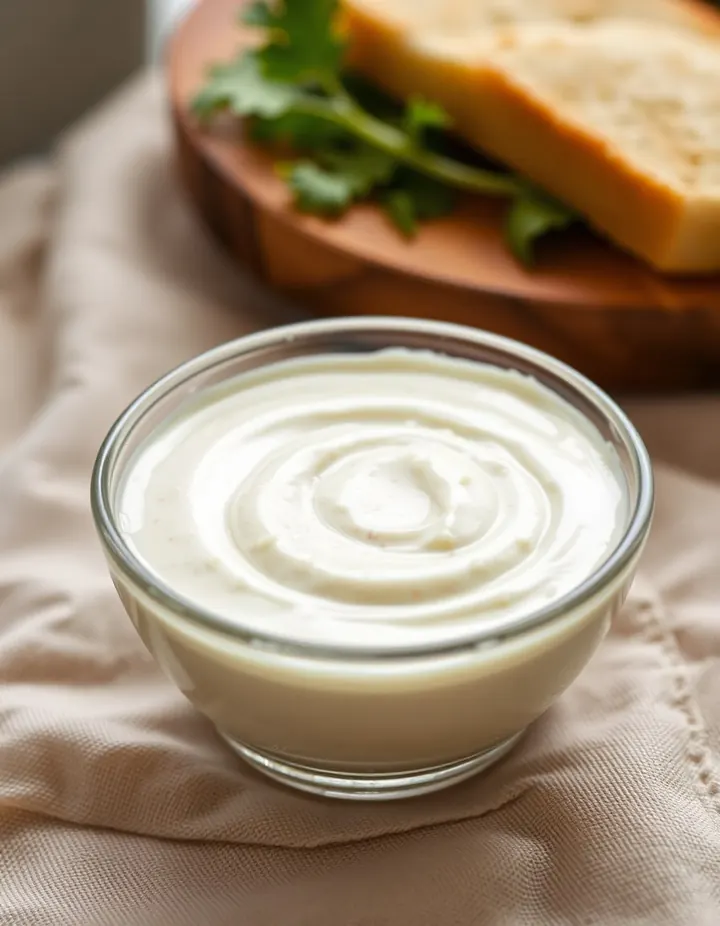 Horseradish Sauce17 recipes
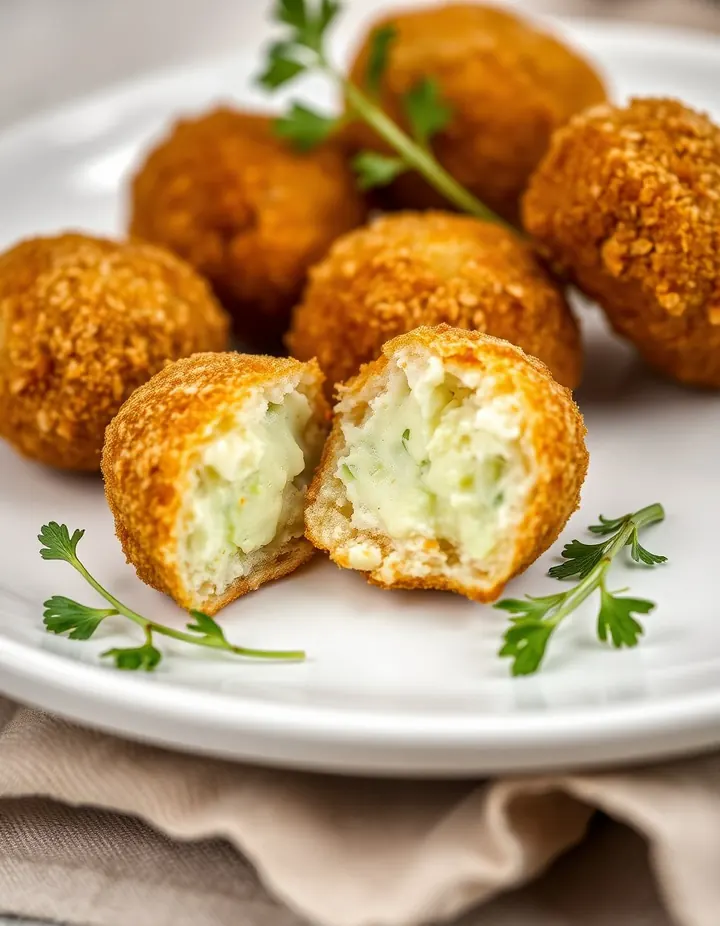 Celery Croquettes16 recipes
The free Flavor Lab newsletter: one surprising pairing a week and the molecular reason it works, in 60 seconds. No spam, unsubscribe anytime.
Prefer an account? Create a free account to save pairings and unlock the full chemistry.