Why it works: Thyme and parsley match in chemistry and in kitchens. They rank in the top 1% of all ingredient pairs, and cooks put them together in 9,057 recipes. Both carry cuminaldehyde, which smells Spicy, cumin. The science ↓
Jugged Hare
Ingredients
Directions
The book says “a moderately hot oven”. The 350°F (175°C) in the steps is the modern equivalent, not the book's own figure.
Prepare the hare
Skin and wash the hare thoroughly.
Dry the hare and cut it into small pieces.
Brown and make the sauce
Melt the dripping in a stewpan.
Add the hare, bacon, and onion to the pan.
Fry until browned.
Drain the meat on paper.
Place the drained meat in a jar or gourmet boiler.
Stir the flour and cornflour into the pan. Cook for a few minutes.
Gradually add the stock. Let it boil and thicken.
Season with salt, spices, and pepper. Add the celery seed, thyme, parsley, lemon juice, and browning sauce. Simmer for 15 minutes.
Strain the sauce over the meat.
Seal the jar with a dough made of flour and water.
Cook and serve
Place the sealed jar in a pan of boiling water.
Cook in a 350°F (175°C) oven for 3 hours.
Arrange the meat on a hot dish.
Strain the sauce over the meat. Add port, sherry, or claret to the sauce before straining.
Garnish with herb forcemeat balls.
Serve with red-currant jelly.
Transcribed from a scanned cookbook and modernised for today's kitchens. Where the book gave no heat or time, or said "a moderate oven", the temperatures and times here may be modern equivalents rather than the book's own figures.
Explore the science
The flavor team
The pairs that carry this dish. Each one is judged two ways: how much their aromas overlap, and how often cooks already put them together.
-
Thyme + parsleytop 1% of all pairsSmell alikestrongCooked together9,057 recipes
Shared aroma: cuminaldehyde (Spicy, cumin).
-
Parsley + lemontop 1% of all pairsSmell alikestrongCooked together14,037 recipes
Shared aroma: beta-phellandrene (minty, terpene).
-
Thyme + lemontop 1% of all pairsSmell alikestrongCooked together3,973 recipes
Shared aroma: beta-phellandrene (minty, terpene).
-
Celery + parsleytop 1% of all pairsSmell alikestrongCooked together6,810 recipes
Shared aroma: 4'-methylacetophenone (bitter almond).
-
Pepper + parsleytop 2% of all pairsSmell alikestrongCooked together34,122 recipes
Shared aroma: 4'-methylacetophenone (bitter almond).
Ranks compare each pair with 20,000 random ingredient pairs on CompKitchen. How we score pairs
What each ingredient does
- Hare
- Provides the main meat, which becomes tender through long, slow cooking in its sauce.
- Flour
- Thickens the sauce with starch and helps it set into a rich, cohesive gravy.
- Cornflour
- Adds thickening power to the sauce, giving it a smooth, glossy body.
- Dripping
- Carries the frying heat and adds savoury richness that browns the meat.
- Bacon
- Adds fat and salty, smoky flavour that deepens the sauce.
- Onion
- Softens and sweetens as it fries, adding aromatic depth to the sauce.
The step that matters
Browning the meat. Frying the hare until well browned develops savoury flavours through the Maillard reaction, which gives the finished sauce its depth. Pale meat yields a flatter, less rich result.
Swap the onion
How well each one fits the dish's main ingredients (flour, pepper, celery, thyme, parsley, lemon, sauce):
- Shallotfits better
- Carrotfits better
- Parsnipfits better
- Onionthe original
Fit is the average pairing score against flour, pepper, celery, thyme, parsley, lemon, sauce. Candidates are from the same food group and used in at least 100 recipes.
“What each ingredient does” and “The step that matters” were written by Claude from this recipe’s own method and reviewed in samples by CompKitchen.
You might also like
 Lemon Sauce236 recipes
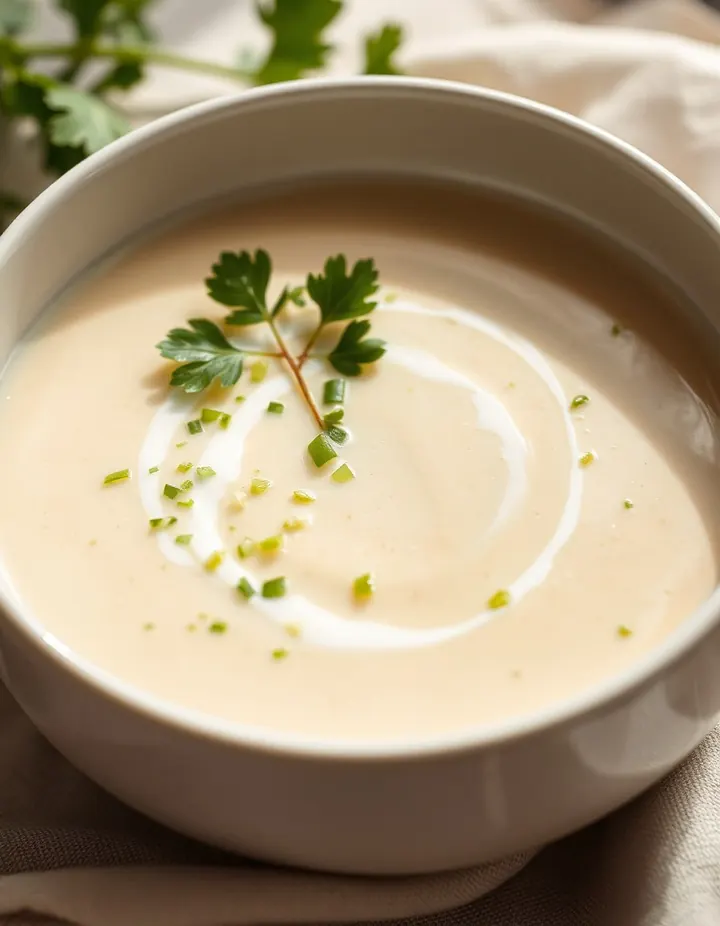 Cream of Celery Soup113 recipes
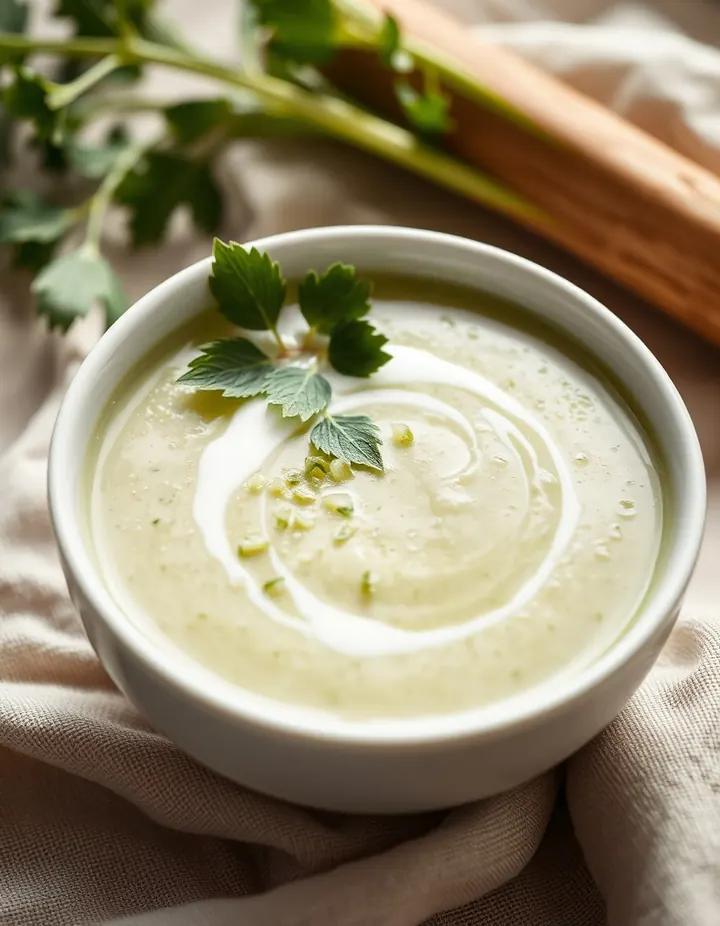 Celery Stew25 recipes
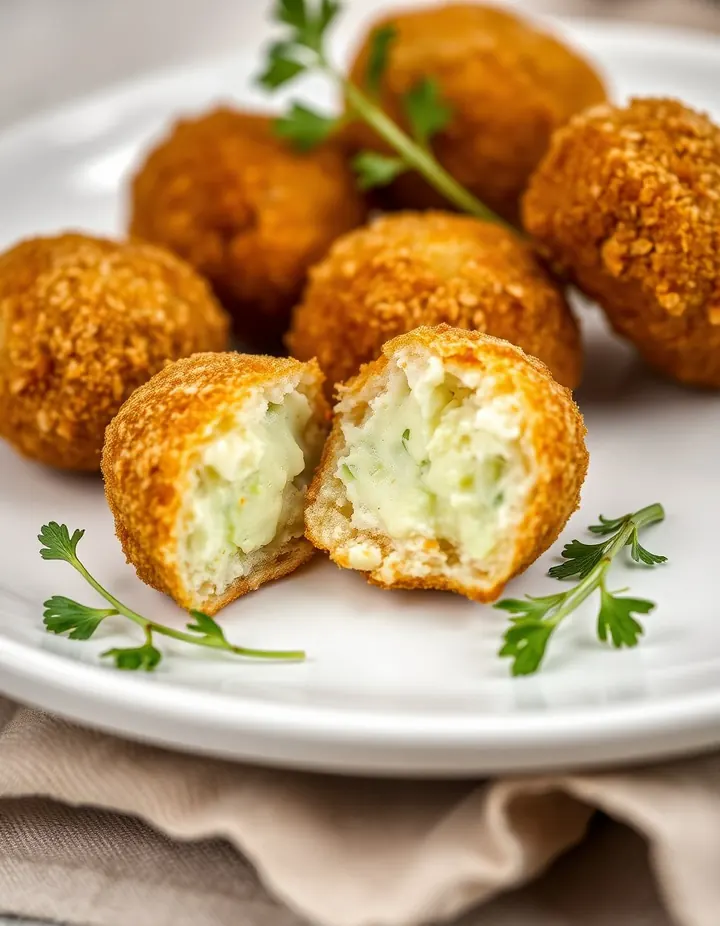 Celery Croquettes16 recipes
The free Flavor Lab newsletter: one surprising pairing a week and the molecular reason it works, in 60 seconds. No spam, unsubscribe anytime.
Prefer an account? Create a free account to save pairings and unlock the full chemistry.