Why it works: Angelica and vanilla match in chemistry and in kitchens. They rank in the top 6% of all ingredient pairs, and cooks put them together in 170 recipes. Both carry alpha-pinene, which smells pine, turpentine. The science ↓
Cabinet Pudding
Ingredients
Directions
Prepare the mold
Butter the inside of a plain mold.
Arrange dried cherries in a pattern all over the buttered mold.
Place small slices of angelica amongst the cherries, maintaining the pattern.
Add the sliced sponge cakes.
Add the ratafias.
Stir in the lump sugar.
Add vanilla to taste.
Make the custard
Heat the thin cream in a saucepan until warm.
Beat the yolks of the eggs well.
Beat the whites of the eggs and add to the yolks.
Pour the hot cream onto the eggs, beat well, and let it cool completely.
Gradually add the brandy or sherry to the cream and egg mixture.
Slowly pour the mixture into the mold.
Steam and serve
Cover with buttered paper and steam the pudding gently for one hour.
Serve with wine sauce.
Transcribed from a scanned cookbook and modernised for today's kitchens. Where the book gave no heat or time, or said "a moderate oven", the temperatures and times here may be modern equivalents rather than the book's own figures.
Explore the science
The flavor team
The pairs that carry this dish. Each one is judged two ways: how much their aromas overlap, and how often cooks already put them together.
-
Angelica + vanillatop 6% of all pairsSmell alikestrongCooked together170 recipes
Shared aroma: alpha-pinene (pine, turpentine).
-
Butter + creamtop 8% of all pairsSmell alikemoderateCooked together41,516 recipes
Shared aroma: delta-dodecalactone (sweet, creamy).
-
Sugar + vanillatop 8% of all pairsSmell alikelowCooked together35,032 recipes
Shared aroma: beta-damascenone (apple, rose).
-
Sugar + creamtop 9% of all pairsSmell alikemoderateCooked together43,450 recipes
Shared aroma: 2,3-butanedione (butter, sweet).
-
Vanilla + brandytop 11% of all pairsSmell alikemoderateCooked together806 recipes
Shared aroma: beta-damascenone (apple, rose).
Sugar and vanilla barely smell alike, yet cooks put them together in 35,032 recipes: they work on texture and structure more than aroma.
Ranks compare each pair with 20,000 random ingredient pairs on CompKitchen. How we score pairs
What each ingredient does
- Sponge cakes
- Form the bulk of the pudding and soak up the custard as it sets.
- Egg yolks
- Enrich the custard and help it set into a tender, sliceable texture.
- Egg whites
- Beaten in to add lightness and help the pudding rise and hold its structure.
- Thin cream
- Adds moisture and richness, giving the custard a smooth, soft texture.
- Butter
- Greases the mold so the pudding releases cleanly and browns lightly.
- Lump sugar
- Adds sweetness to the custard and pudding.
The step that matters
Pour the hot cream onto the eggs gradually while beating well. Adding hot cream too quickly to the egg yolks can scramble them, leaving lumps instead of a smooth custard. Beating constantly and pouring slowly lets the eggs warm gently and thicken evenly.
Swap the angelica
How well each one fits the dish's main ingredients (butter, sugar, vanilla, cream, egg, brandy):
- Cinnamonfits better
- Nutmegfits better
- Angelicathe original
- Clovefits about as well
Fit is the average pairing score against butter, sugar, vanilla, cream, egg, brandy. Candidates are from the same food group and used in at least 100 recipes.
“What each ingredient does” and “The step that matters” were written by Claude from this recipe’s own method and reviewed in samples by CompKitchen.
More cabinet pudding recipes
You might also like
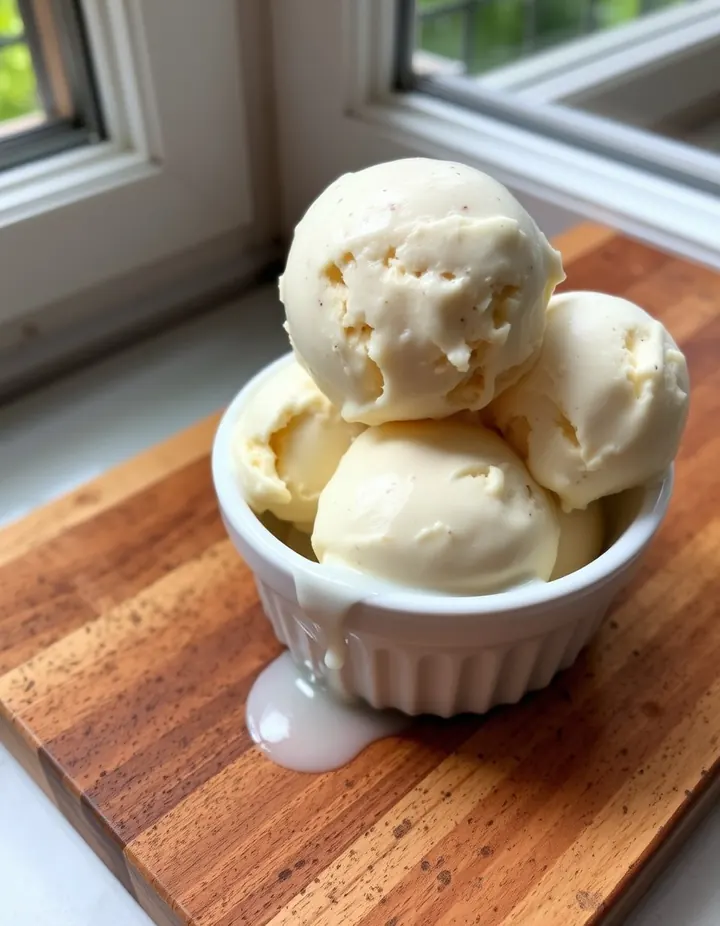 Vanilla Ice Cream108 recipes
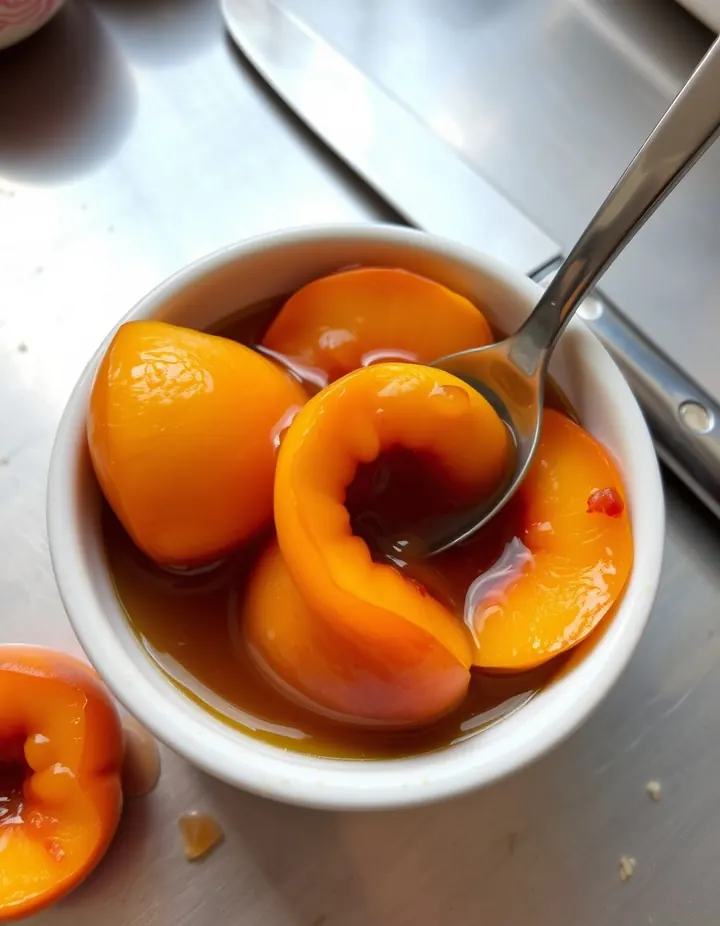 Brandy Peaches68 recipes
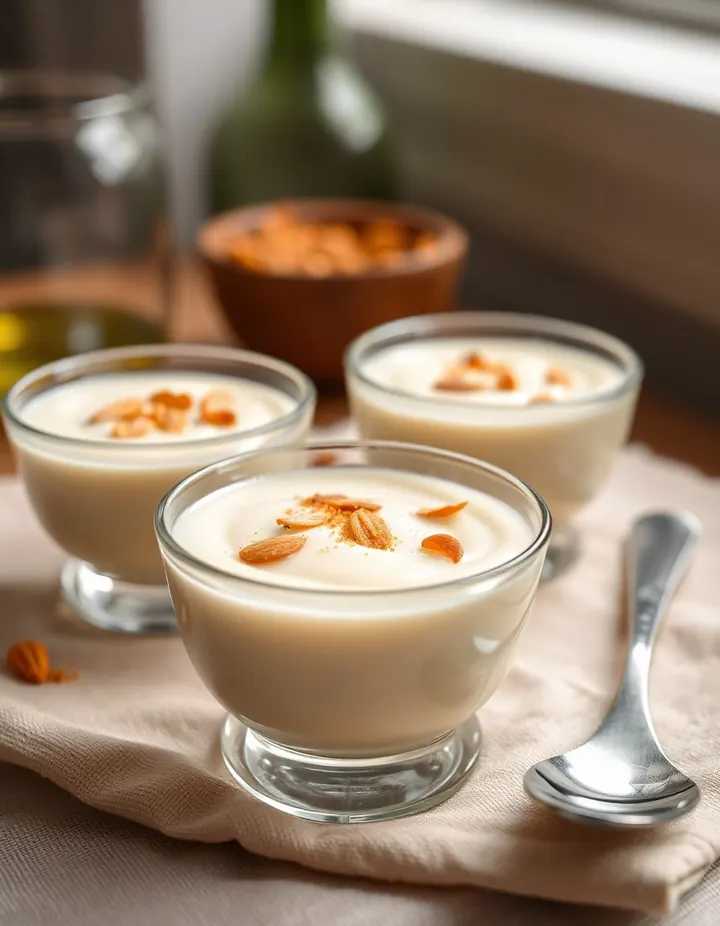 Brandy Cream21 recipes
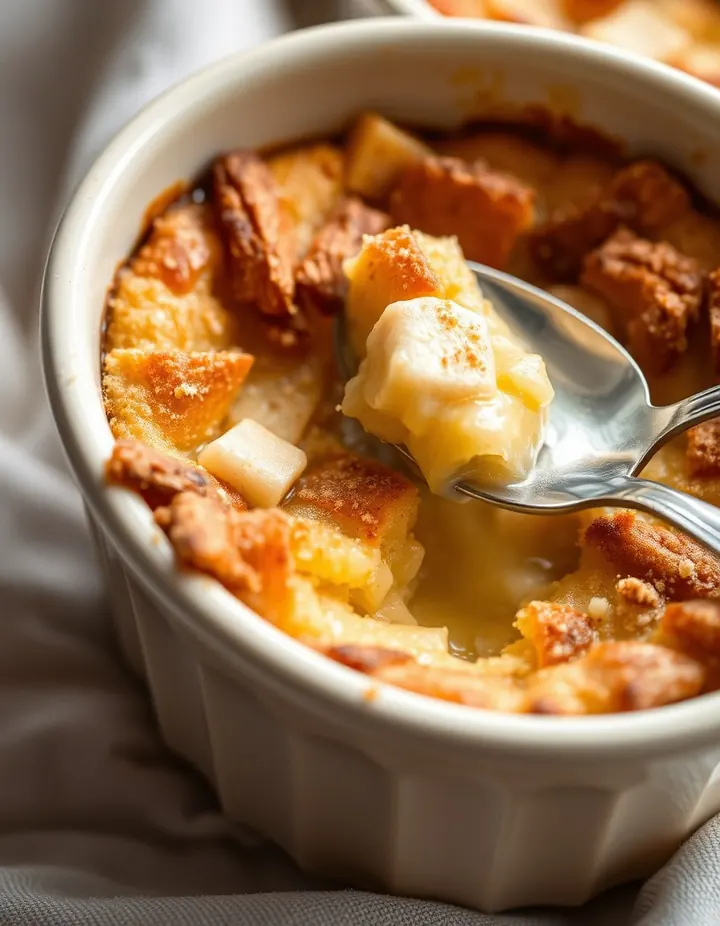 Brandy Pudding13 recipes
The free Flavor Lab newsletter: one surprising pairing a week and the molecular reason it works, in 60 seconds. No spam, unsubscribe anytime.
Prefer an account? Create a free account to save pairings and unlock the full chemistry.