Why it works: Oyster and flour are a kitchen classic. They rank in the top 25% of all ingredient pairs, and cooks put them together in 4,582 recipes. Both carry hexanal, which smells grass, green. The science ↓
Oyster Powder
Ingredients
Directions
Prepare the paste
Open the oysters carefully and pound them in a mortar.
Add the coarse sea salt and mix well.
Rub the mixture through a coarse sieve and return it to the mortar.
Add enough fine flour to form a paste.
Roll out the paste to a thickness of ⅛ inch and cut into 1‑inch squares.
Dry and store
Place the squares in a Dutch oven over a slow fire to dry, turning every 30 minutes.
After about 4 hours, when they begin to crumble, pound them fine and sift.
Store the powder in bottles and seal.
Transcribed from a scanned cookbook and modernised for today's kitchens. Where the book gave no heat or time, or said "a moderate oven", the temperatures and times here may be modern equivalents rather than the book's own figures.
Explore the science
The flavor team
The pairs that carry this dish. Each one is judged two ways: how much their aromas overlap, and how often cooks already put them together.
-
Oyster + flourtop 25% of all pairsSmell alikemoderateCooked together4,582 recipes
Shared aroma: hexanal (grass, green).
Ranks compare each pair with 20,000 random ingredient pairs on CompKitchen. How we score pairs
What each ingredient does
- Oysters
- Provide the concentrated savoury, briny flavour that is the base of the powder.
- Fine flour
- Binds the oyster mixture into a paste that can be rolled and cut.
- Coarse sea salt
- Seasons the mixture and helps draw out moisture before drying.
The step that matters
Drying over a slow fire. Heat must be low and steady, and the pieces turned regularly, so they dry evenly without scorching. Scorching gives a burnt flavour, and uneven drying leaves damp centres that spoil the powder.
“What each ingredient does” and “The step that matters” were written by Claude from this recipe’s own method and reviewed in samples by CompKitchen.
You might also like
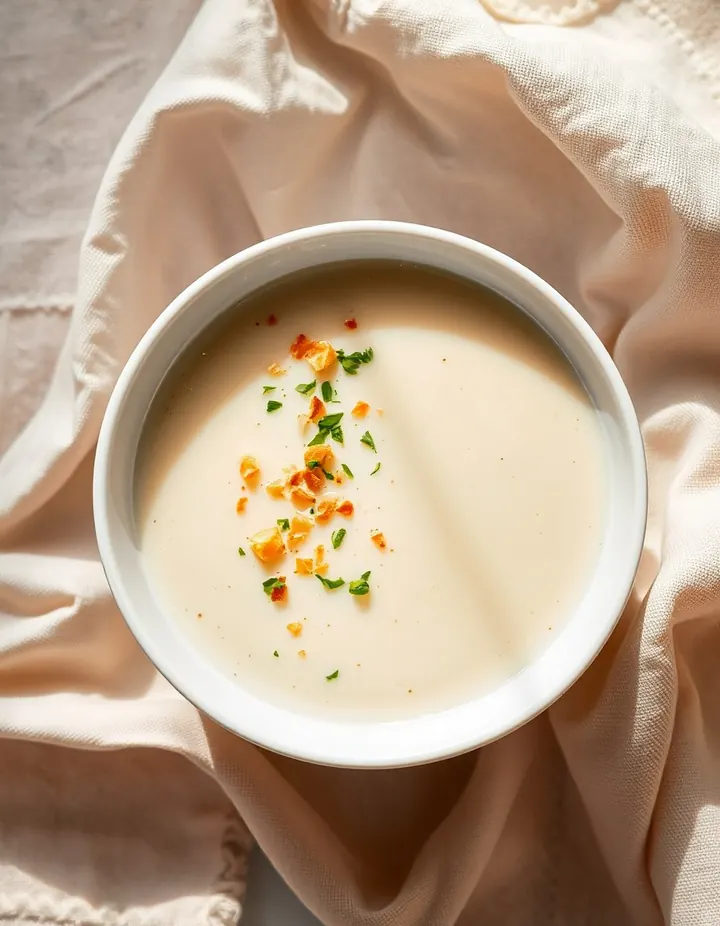 Mock Oyster Soup21 recipes
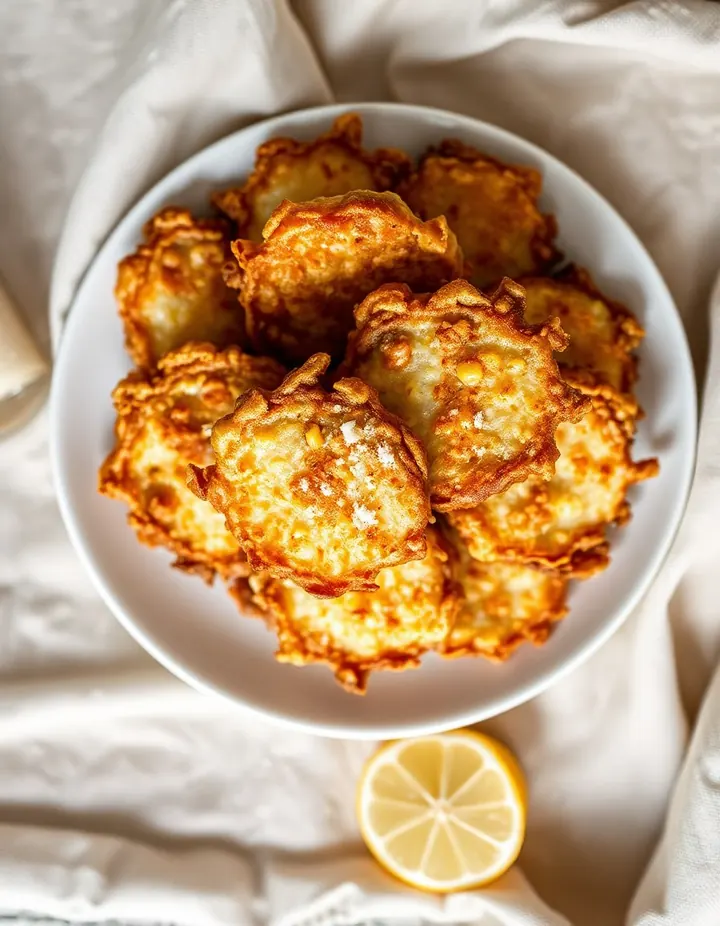 Corn Fritters6 recipes
 Tomato Soup526 recipes
 Brown Bread461 recipes
The free Flavor Lab newsletter: one surprising pairing a week and the molecular reason it works, in 60 seconds. No spam, unsubscribe anytime.
Prefer an account? Create a free account to save pairings and unlock the full chemistry.