Why it works: Turbot and lobster work together. They rank in the top 3% of all ingredient pairs, and 163 recipes mention both. Both carry ethanol, which smells alcoholic, ethereal. The science ↓
The recipe
Ingredients
Contains: fish, shellfish (auto-detected from the ingredients and method; we can miss things, so check labels)
Directions
Prepare and poach
Score the skin across the thick part of the back to prevent breaking.
Place the fish in a kettle with cold water and add the salt.
Bring to a boil, skim well, then reduce heat to simmer for 15-20 minutes. Ensure the fish simmers slowly to avoid breaking.
Garnish and serve
Garnish with smelts or gudgeons arranged like spokes of a wheel.
If available, pound lobster coral, rub through a colander, and sprinkle over the fish.
Serve with horseradish, sliced lemon, and parsley.
Cook to a safe temperature. This method doesn't say how hot the inside should get. Check with a food thermometer in the thickest part:
- Fish: 145°F (63°C), or until the flesh is opaque and flakes easily.
- Shellfish: shrimp, lobster and scallops until pearly and opaque; clams, mussels and oysters until the shells open (throw away any that stay shut).
Figures from the USDA's safe minimum internal temperatures.
Transcribed from a scanned cookbook and modernised for today's kitchens. Where the book gave no heat or time, or said "a moderate oven", the temperatures and times here may be modern equivalents rather than the book's own figures.
Found this recipe through an AI assistant? CompKitchen also shows which ingredients go well together and why, from the aroma molecules they share and how often recipes combine them. Try the pairing tools.
Explore the science
The flavor team
The pairs that carry this dish. Each one is judged two ways: how much aroma chemistry they share, and how many recipes mention both.
-
Turbot + lobstertop 3% of all pairsAroma overlapmoderateMentioned together163 recipes
Shared aroma: ethanol (alcoholic, ethereal).
-
Lemon + parsleytop 1% of all pairsAroma overlapstrongMentioned together14,036 recipes
Shared aroma: beta-phellandrene (minty, terpene).
-
Turbot + smelttop 4% of all pairsAroma overlapmoderateMentioned together26 recipes
Shared aroma: ethanol (alcoholic, ethereal).
-
Horseradish + parsleytop 6% of all pairsAroma overlapstrongMentioned together562 recipes
Shared aroma: coumarin (sweet, hay).
-
Smelt + lobstertop 6% of all pairsAroma overlaplowMentioned together35 recipes
Shared aroma: ethanol (alcoholic, ethereal).
Ranks compare each pair with 20,000 random ingredient pairs on CompKitchen. How we score pairs
What each ingredient does
- Turbot, halibut, or brill
- Is the main fish, cooked whole and gently poached until its flesh turns opaque and flakes.
- Coarse sea salt
- Seasons the poaching water so the fish is flavoured throughout as it cooks.
The step that matters
Keep the simmer slow and gentle. A rolling boil agitates and tears the delicate flesh, so the fish breaks apart. Bring it to a boil only briefly, skim, then hold a slow simmer.
Flavor stand-ins for the horseradish
The recipe marks horseradish as optional. How well each one fits the dish's main ingredients (turbot, smelt, lobster, lemon, parsley):
- Carrotabout as good a flavor fit
- Horseradishthe original
- Shallotabout as good a flavor fit
Fit is the average pairing score against turbot, smelt, lobster, lemon, parsley. Candidates are from the same food group and used in at least 100 recipes. This compares flavor only: it does not check the job the ingredient does in the dish (bulk, moisture, acidity, structure).
“What each ingredient does” and “The step that matters” were written by Claude, an AI, from this recipe’s own method. They are not checked recipe by recipe, so they can be wrong.
Make it your own
Stand-ins, a drink, and quick taste fixes for this dish, ranked by how well each fits its other ingredients: shared aroma molecules and how often recipes combine them.
You might also like
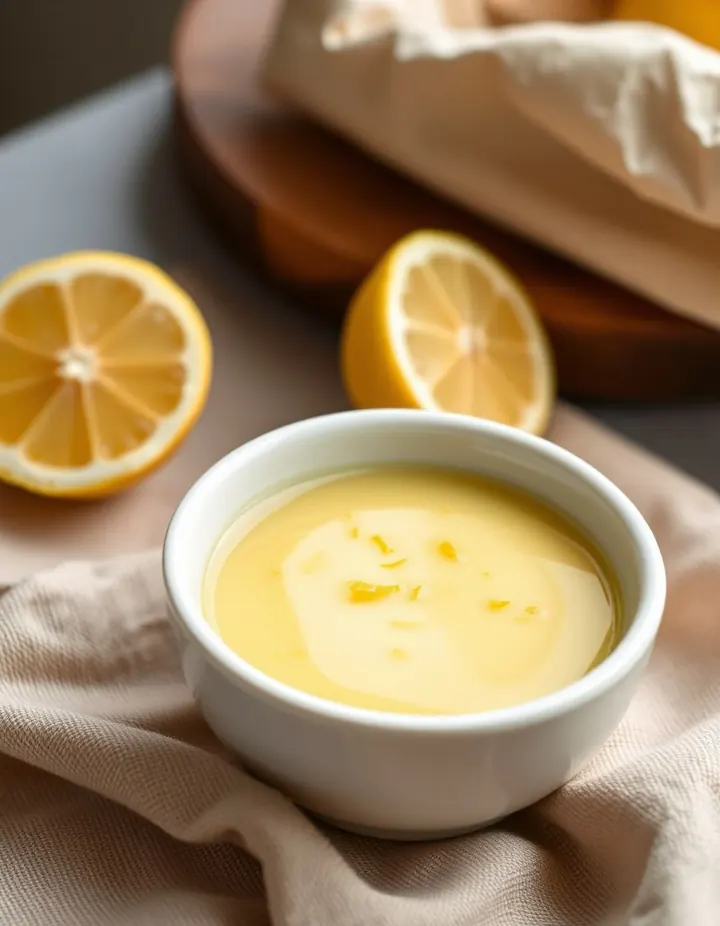 Illustration
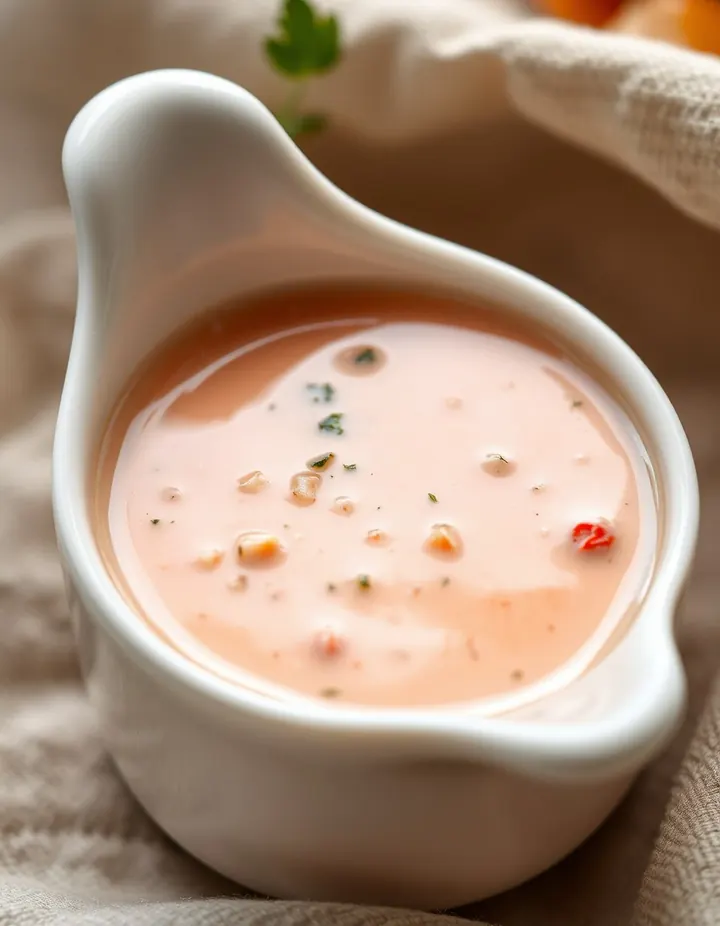 Illustration
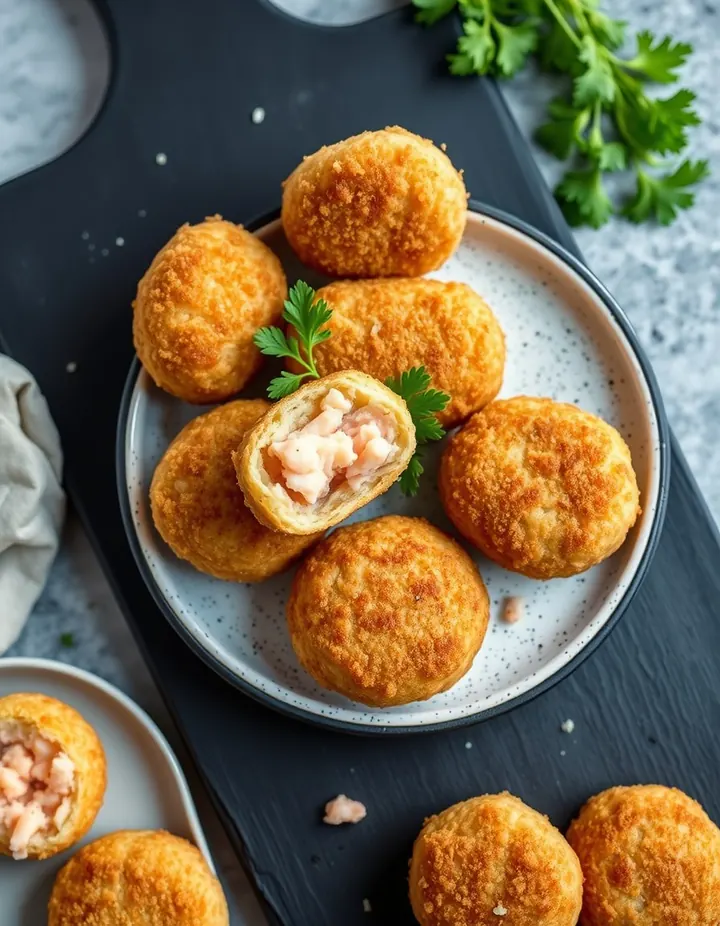 Illustration
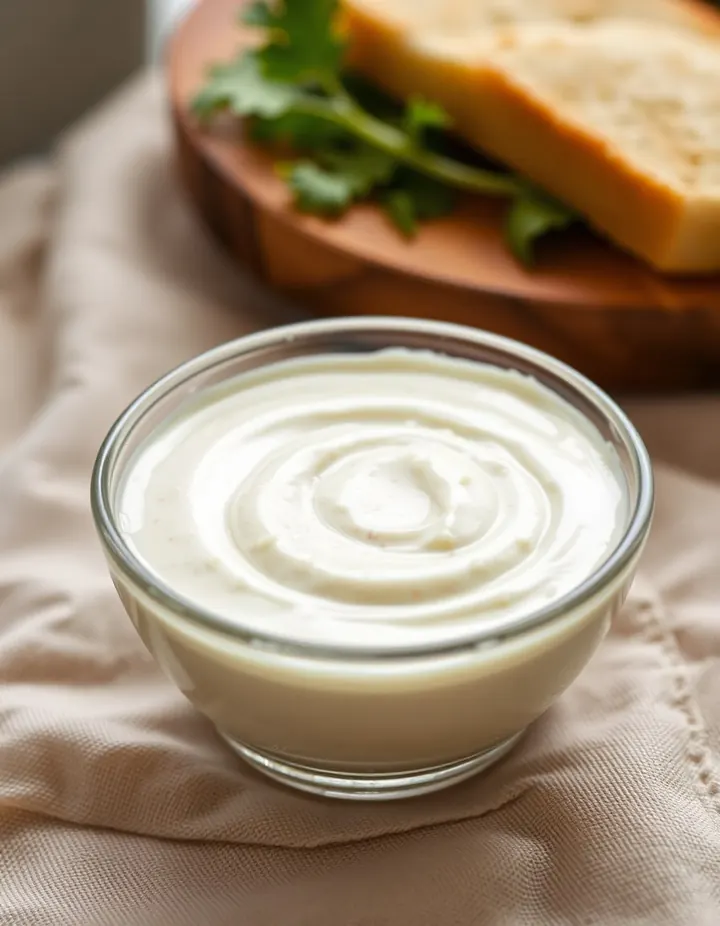 Illustration
The Sunday pairing: one pairing, the chemistry behind it, and how to cook it. No spam, unsubscribe anytime.
Prefer an account? Create a free account for sign-in; Pro adds the full results and chemistry.