Why it works: Apricot and sugar are a kitchen classic. They rank in the top 18% of all ingredient pairs, and cooks put them together in 3,630 recipes. Both carry 2-nonenal, which smells fatty, green. The science ↓
Apricots, Dried and Salted
Ingredients
Directions
Prepare
Soak the apricots in salt water (2 ounces of salt to 1 quart of water) for a few hours.
Lay the apricots on a mat to dry in the sun.
The next day, press the apricots between your hands to flatten them and remove the stones.
Repeat the drying process the following day.
If the weather is damp, dry the apricots in a heated room or a cool oven.
Soak and sugar
Soak the dried apricots in lime water for 5 minutes until tender.
Remove the apricots, wipe them dry with a soft cloth, and rub crystallized sugar into each apricot.
Use 1.5 pounds of sugar for every pound of apricots.
Pack
Pack the apricots tightly in jars with plenty of sugar in between.
Transcribed from a scanned cookbook and modernised for today's kitchens. Where the book gave no heat or time, or said "a moderate oven", the temperatures and times here may be modern equivalents rather than the book's own figures.
Explore the science
The flavor team
The pairs that carry this dish. Each one is judged two ways: how much their aromas overlap, and how often cooks already put them together.
-
Apricot + sugartop 18% of all pairsSmell alikelowCooked together3,630 recipes
Shared aroma: 2-nonenal (fatty, green).
Ranks compare each pair with 20,000 random ingredient pairs on CompKitchen. How we score pairs
What each ingredient does
- Soft ripe apricots
- The fruit that is dried, flattened and softened to become chewy and tender.
- Coarse sea salt
- Draws water out of the fruit, helping to preserve it and firm its texture before drying.
- Sugar
- Draws out remaining moisture and adds sweetness, helping preserve the dried apricots.
The step that matters
Dry the apricots fully before sugaring. Salt and sugar preserve fruit largely by drawing out water. If the apricots still hold moisture when packed, the sugar cannot preserve them well and they may spoil, so each drying day matters, especially in damp weather.
“What each ingredient does” and “The step that matters” were written by Claude from this recipe’s own method and reviewed in samples by CompKitchen.
You might also like
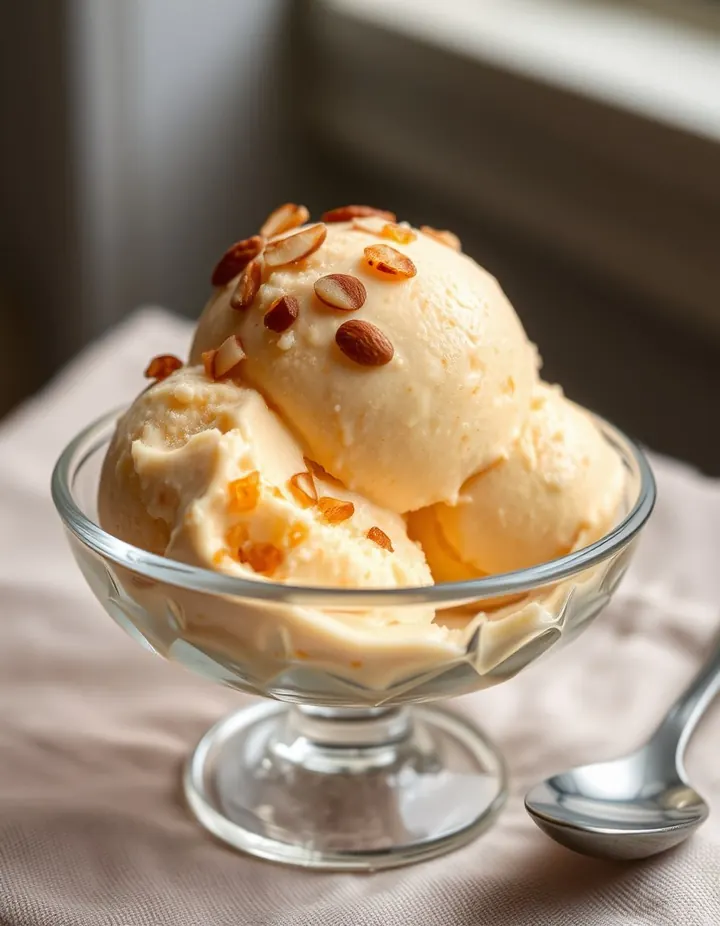 Apricot Ice Cream26 recipes
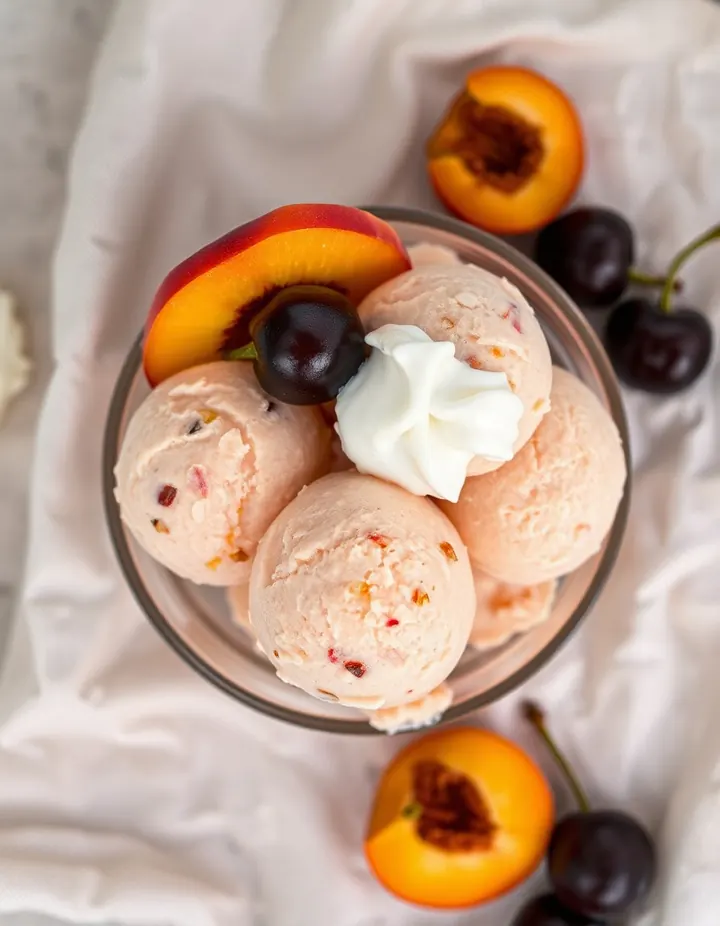 Mixed Fruit Sherbet6 recipes
 White Cake431 recipes
 Pound Cake373 recipes
The free Flavor Lab newsletter: one surprising pairing a week and the molecular reason it works, in 60 seconds. No spam, unsubscribe anytime.
Prefer an account? Create a free account to save pairings and unlock the full chemistry.