Why it works: Biscuit and angelica share more aroma than cooks usually use. They rank in the top 4% of all ingredient pairs, and cooks put them together in 69 recipes. Both carry coumarin, which smells sweet, hay. The science ↓
Dutch Charlotte
Ingredients
Directions
Set the jelly base
Line the bottom of a Charlotte mould with a thin layer of jelly and decorate with slices of cherries and angelica. Set aside to firm up.
Make the chocolate cream
Mix the chocolate with a little boiling water to form a smooth paste. Combine it with the milk and sugar in a saucepan and stir until it boils. Let it boil for five minutes.
Soak the gelatine. Dissolve the gelatine over low heat, straining out excess water. Add the dissolved gelatine to the milk mixture.
Strain the mixture into a basin. Flavor with vanilla and let cool.
Whisk the cream. Fold the cream into the cooled mixture.
Assemble and serve
Once the jelly in the mould is set, line the sides with the biscuits, trimming them to fit closely. Brush the edges with egg white to hold them in place.
Before the cream mixture begins to set, carefully pour it into the mould without disturbing the biscuits. Place in a cool area until firm.
To serve, dip the bottom of the mould in hot water, then turn out onto a silver or glass dish and garnish with chopped jelly.
Transcribed from a scanned cookbook and modernised for today's kitchens. Where the book gave no heat or time, or said "a moderate oven", the temperatures and times here may be modern equivalents rather than the book's own figures.
Explore the science
The flavor team
The pairs that carry this dish. Each one is judged two ways: how much their aromas overlap, and how often cooks already put them together.
-
Biscuit + angelicatop 4% of all pairsSmell alikestrongCooked together69 recipes
Shared aroma: coumarin (sweet, hay).
-
Milk + vanillatop 5% of all pairsSmell alikemoderateCooked together19,187 recipes
Shared aroma: ethyl caproate (fruity, apple peel).
-
Chocolate + vanillatop 5% of all pairsSmell alikemoderateCooked together10,020 recipes
Shared aroma: sotolon (curry, maple).
-
Vanilla + angelicatop 6% of all pairsSmell alikestrongCooked together170 recipes
Shared aroma: alpha-pinene (pine, turpentine).
-
Sugar + vanillatop 8% of all pairsSmell alikelowCooked together35,032 recipes
Shared aroma: beta-damascenone (apple, rose).
Sugar and vanilla barely smell alike, yet cooks put them together in 35,032 recipes: they work on texture and structure more than aroma.
Ranks compare each pair with 20,000 random ingredient pairs on CompKitchen. How we score pairs
What each ingredient does
- Savoy biscuits
- Form the sides of the mould and hold their shape around the set cream.
- Gelatine
- Sets the cream so the dessert holds its shape when turned out.
- Thick cream
- Adds richness and a light, airy texture when folded into the mixture.
- Milk
- Forms the creamy base that the chocolate and sugar are cooked into.
- Chocolate
- Gives the cream its flavor and dark color.
- Wine jelly
- Forms a set layer on the bottom that becomes the top when turned out.
The step that matters
Pour the cream before it sets. Gelatine begins to set as the mixture cools. If the cream is too firm, it will not settle smoothly around the biscuits, and if it is too runny it may seep through gaps and disturb the lining.
Swap the angelica
How well each one fits the dish's main ingredients (biscuit, wine, sugar, milk, chocolate, vanilla, cream):
- Cinnamonfits better
- Nutmegfits about as well
- Angelicathe original
- Peppermintfits about as well
Fit is the average pairing score against biscuit, wine, sugar, milk, chocolate, vanilla, cream. Candidates are from the same food group and used in at least 100 recipes.
“What each ingredient does” and “The step that matters” were written by Claude from this recipe’s own method and reviewed in samples by CompKitchen.
You might also like
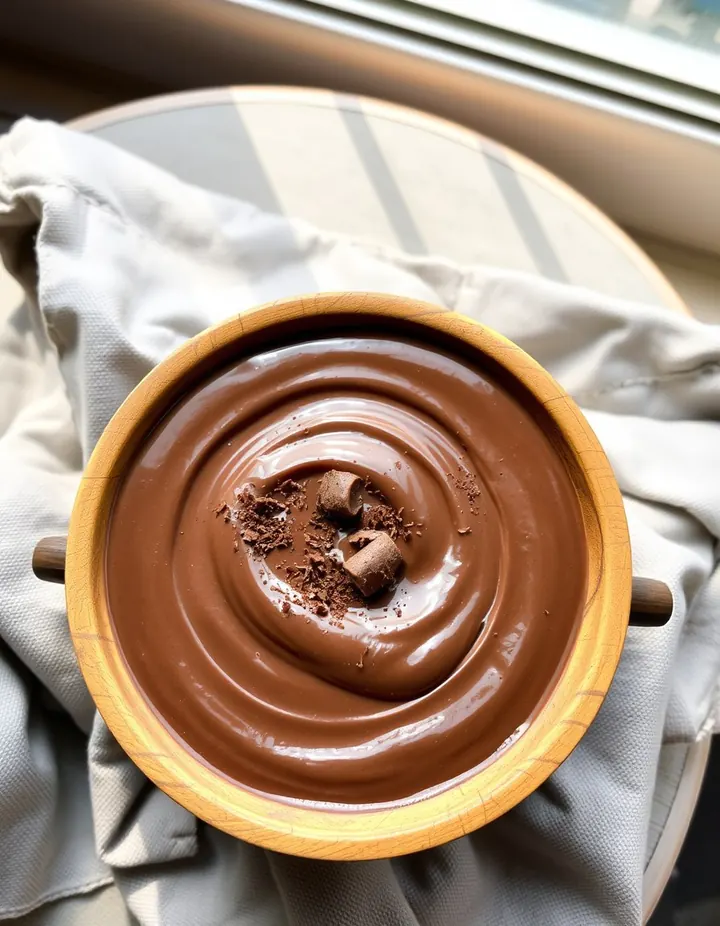 Chocolate Cream171 recipes
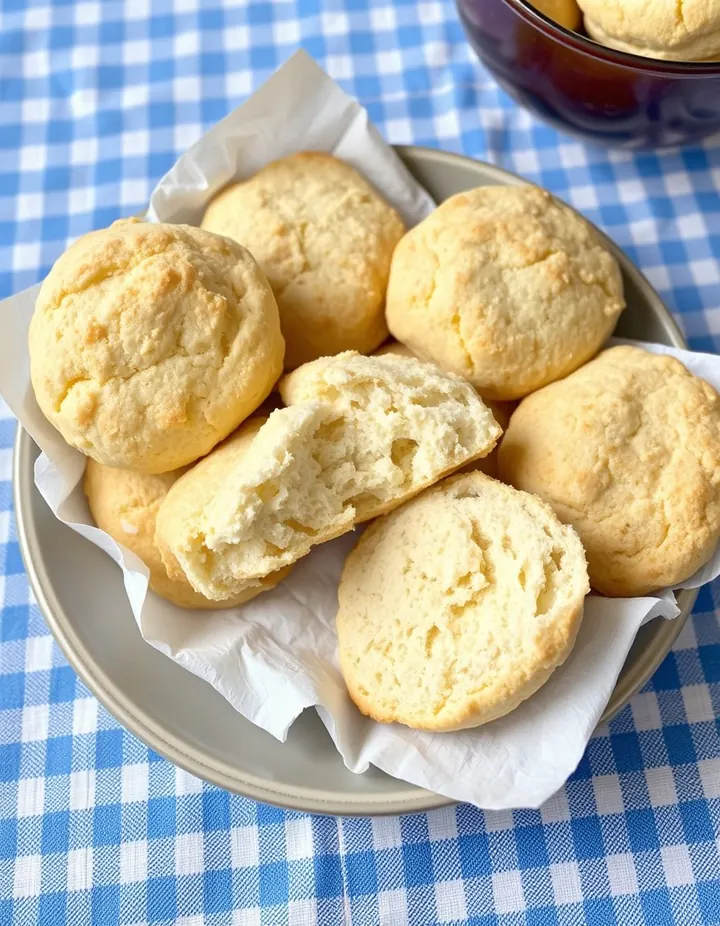 Baking Powder Biscuit119 recipes
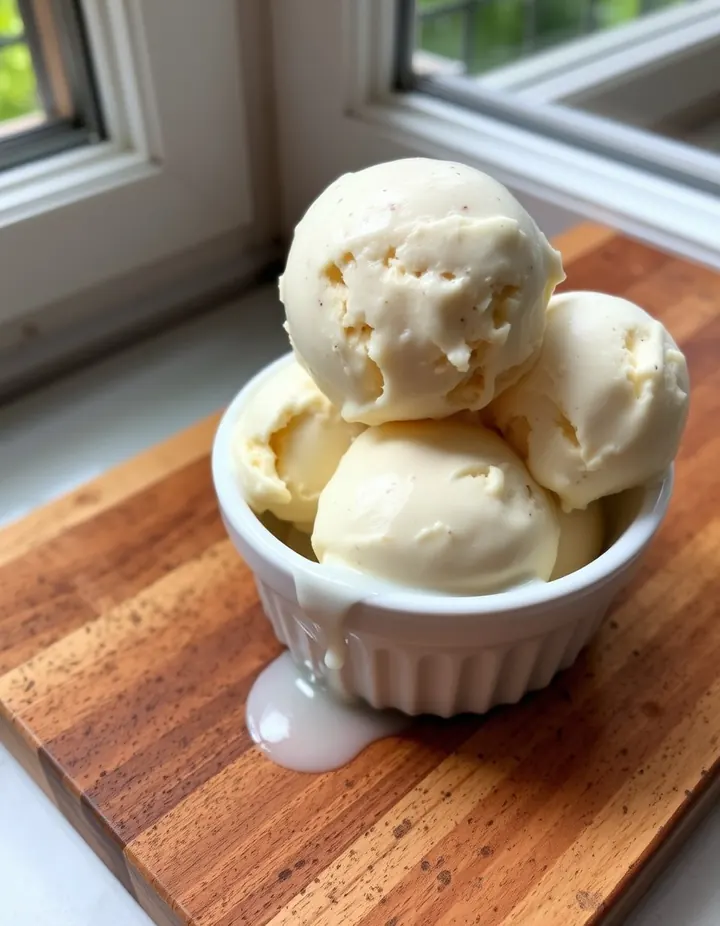 Vanilla Ice Cream108 recipes
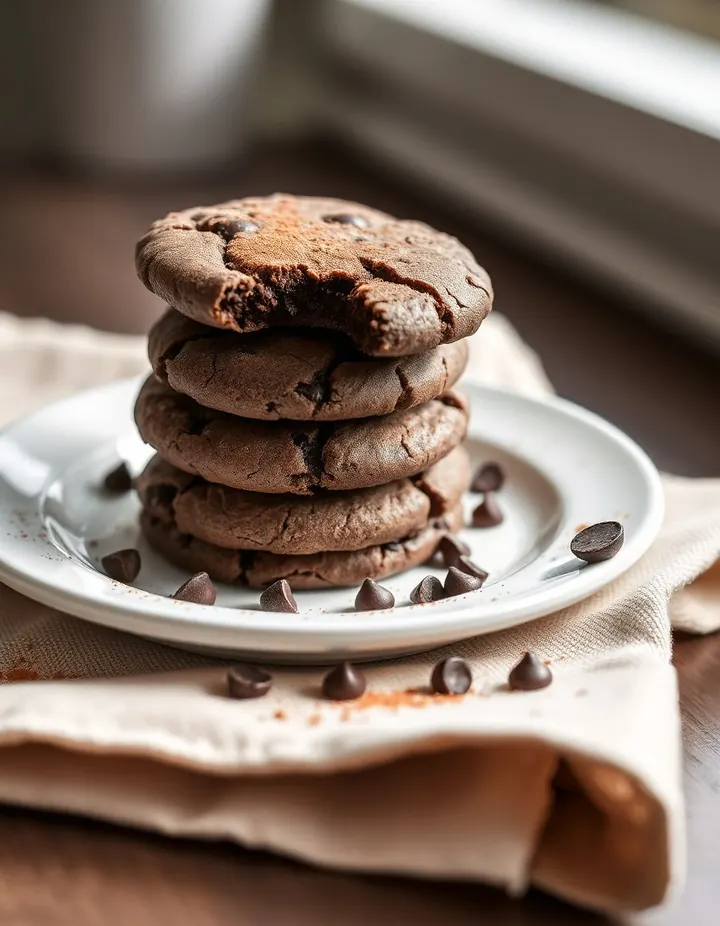 Chocolate Cookies76 recipes
The free Flavor Lab newsletter: one surprising pairing a week and the molecular reason it works, in 60 seconds. No spam, unsubscribe anytime.
Prefer an account? Create a free account to save pairings and unlock the full chemistry.