Why it works: Mace and nutmeg are a kitchen classic. They rank in the top 4% of all ingredient pairs, and cooks put them together in 6,557 recipes. Both carry myristicin, which smells spice, warm. The science ↓
Lobsters to Pot
Ingredients
Directions
The book gives no oven temperature. The 350°F (175°C) in the steps was added when the recipe was transcribed, as a starting point.
Prepare the lobster
Boil the lobsters until half cooked, then remove the meat and cut it into small bits.
Season the lobster meat with mace, white pepper, nutmeg, and salt.
Press the seasoned meat into a pot and cover with butter.
Bake and finish
Bake in a 350°F (175°C) oven for 30 minutes, then add the spice.
Once cooled, remove the lobster and place it back into the pot with some of the butter.
In a mortar, beat the remaining butter with some of the spice, then mix it to cover the lobster in the pot.
Strain the mixture and add cayenne if desired.
Alternative method
For a different method, remove the lobster meat whole, split the tail, and remove the gut.
Season with mace, nutmeg, white pepper, salt, and finely powdered cloves.
Place a little butter in a pan, lay the lobster on top with bay leaves, cover with butter, and bake gently.
Once done, pour the contents onto a sieve and arrange the pieces in potting pots with seasoning.
When cooled, pour clarified butter over the lobster.
Transcribed from a scanned cookbook and modernised for today's kitchens. Where the book gave no heat or time, or said "a moderate oven", the temperatures and times here may be modern equivalents rather than the book's own figures.
Explore the science
The flavor team
The pairs that carry this dish. Each one is judged two ways: how much their aromas overlap, and how often cooks already put them together.
-
Mace + nutmegtop 4% of all pairsSmell alikemoderateCooked together6,557 recipes
Shared aroma: myristicin (spice, warm).
-
Nutmeg + peppertop 7% of all pairsSmell alikestrongCooked together13,015 recipes
Shared aroma: 4'-methylacetophenone (bitter almond).
-
Mace + white peppertop 9% of all pairsSmell alikemoderateCooked together1,695 recipes
Shared aroma: myrcene (balsamic, herbaceous).
-
White pepper + nutmegtop 13% of all pairsSmell alikelowCooked together1,375 recipes
Shared aroma: eucalyptol (eucalyptus, herbal).
-
Mace + peppertop 16% of all pairsSmell alikelowCooked together12,257 recipes
Shared aroma: myristicin (spice, warm).
Mace and pepper barely smell alike, yet cooks put them together in 12,257 recipes: they work on texture and structure more than aroma.
Ranks compare each pair with 20,000 random ingredient pairs on CompKitchen. How we score pairs
What each ingredient does
- Lobsters
- Provides the main meat, which turns firm and opaque as it cooks.
- Butter
- Adds moisture and richness, and coats the meat to keep it from drying out.
- Mace
- Adds a warm, aromatic spice flavour to the lobster meat.
- Nutmeg
- Adds a sweet, warm aroma that complements the seafood.
- White pepper
- Adds mild, earthy heat without visible specks.
The step that matters
Boil the lobsters until half cooked. The lobster keeps cooking during baking, so overcooking at the start makes the meat tough and rubbery. Stopping early leaves it tender after the oven.
Swap the white pepper
How well each one fits the dish's main ingredients (lobster, mace, nutmeg, butter, pepper):
- Cinnamonfits better
- Clovefits better
- Allspicefits better
- White pepperthe original
Fit is the average pairing score against lobster, mace, nutmeg, butter, pepper. Candidates are from the same food group and used in at least 100 recipes.
“What each ingredient does” and “The step that matters” were written by Claude from this recipe’s own method and reviewed in samples by CompKitchen.
You might also like
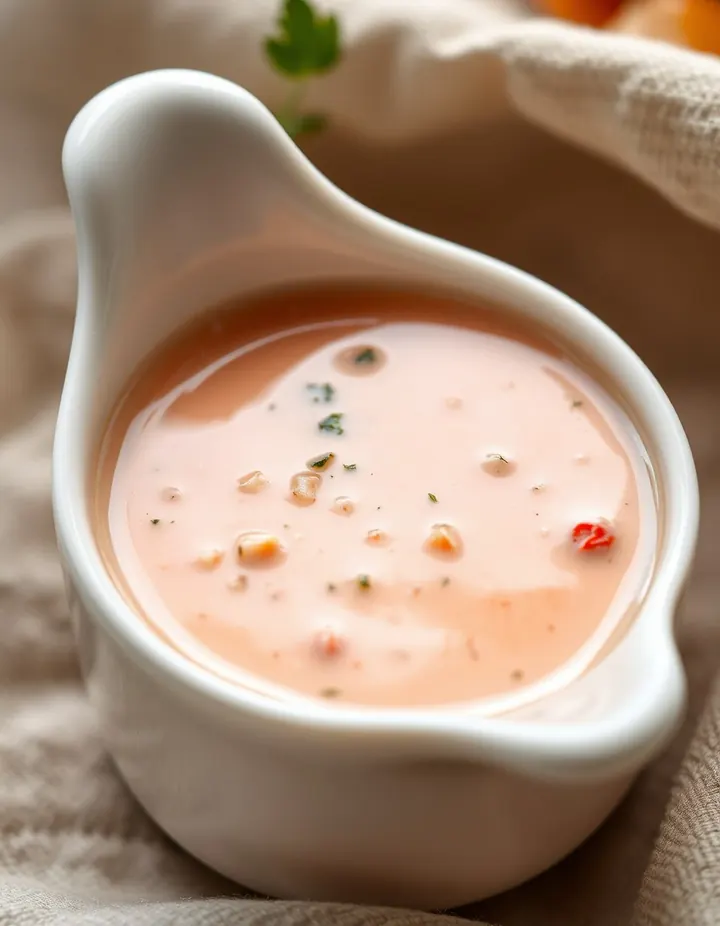 Lobster Sauce174 recipes
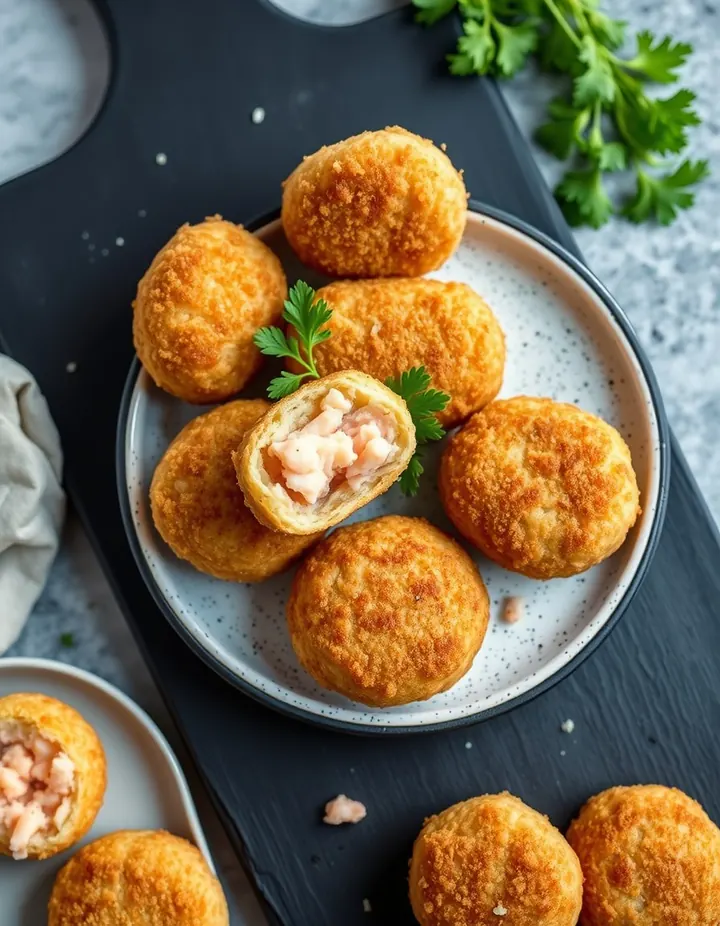 Lobster Croquettes99 recipes
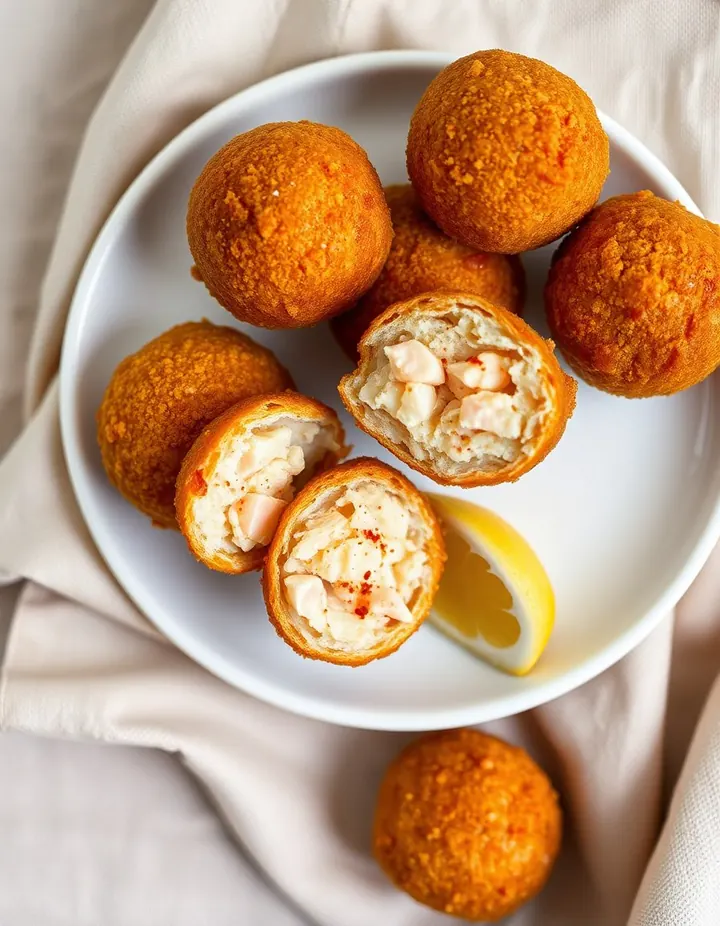 Lobster Balls7 recipes
 Tomato Soup526 recipes
The free Flavor Lab newsletter: one surprising pairing a week and the molecular reason it works, in 60 seconds. No spam, unsubscribe anytime.
Prefer an account? Create a free account to save pairings and unlock the full chemistry.