Why it works: Lemon and sugar are a kitchen classic. They rank in the top 18% of all ingredient pairs, and cooks put them together in 53,532 recipes. Both carry 2-nonenal, which smells fatty, green. The science ↓
Candied Orange or Lemon Peels
Ingredients
Directions
The book says “a slow oven”. The 300°F in the steps is the modern equivalent, not the book's own figure.
Prepare the peel
Soak the cleaned lemon or orange peels in salt and water for 2 days.
Scald and drain the peels until dry.
Candy the peel
Boil the peels in a thin syrup until they look clear.
Prepare a thick syrup with fine loaf sugar and add the peels.
Simmer until the sugar candies around the peels.
Lay the peels separately on a wire rack to drain.
Dry
Sprinkle sifted sugar over the peels and let them dry in a cool oven (300°F / 150°C).
Transcribed from a scanned cookbook and modernised for today's kitchens. Where the book gave no heat or time, or said "a moderate oven", the temperatures and times here may be modern equivalents rather than the book's own figures.
Explore the science
The flavor team
The pairs that carry this dish. Each one is judged two ways: how much their aromas overlap, and how often cooks already put them together.
-
Lemon + sugartop 18% of all pairsSmell alikelowCooked together53,532 recipes
Shared aroma: 2-nonenal (fatty, green).
Lemon and sugar barely smell alike, yet cooks put them together in 53,532 recipes: they work on texture and structure more than aroma.
Ranks compare each pair with 20,000 random ingredient pairs on CompKitchen. How we score pairs
What each ingredient does
- Lemon or orange peels
- Provide the main flavour and the candied body once sugar penetrates the peel.
- Fine loaf sugar
- Forms a thick syrup that candies the peel, preserving it and making it sweet and glossy.
The step that matters
Simmering in the thick syrup until the sugar candies. If the syrup is too hot or the peel is simmered too hard, the sugar can crystallise unevenly or the peel can break down. Gentle simmering lets sugar slowly replace the water in the peel, so it becomes translucent and holds its shape.
“What each ingredient does” and “The step that matters” were written by Claude from this recipe’s own method and reviewed in samples by CompKitchen.
You might also like
 Lemon Cake228 recipes
 Lemon Ice147 recipes
 Lemon Sherbet103 recipes
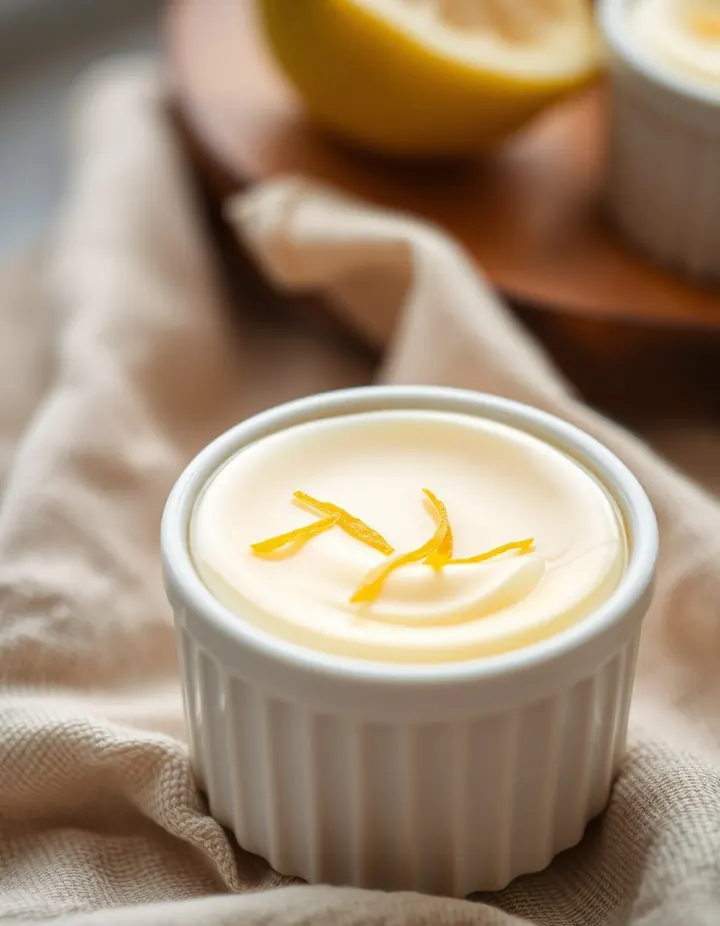 Lemon Custard64 recipes
The free Flavor Lab newsletter: one surprising pairing a week and the molecular reason it works, in 60 seconds. No spam, unsubscribe anytime.
Prefer an account? Create a free account to save pairings and unlock the full chemistry.