Why it works: Pepper and lemon match in chemistry and in kitchens. They rank in the top 3% of all ingredient pairs, and 27,047 recipes mention both. Both carry trans-2-nonenal, which smells cardboard, fatty. The science ↓
Oyster Patties
Ingredients
Directions
The book says “a brisk oven”. The 400°F (200°C) in the steps is the modern equivalent, not the book's own figure.
Prepare the cases
Preheat the oven to 400°F (200°C).
Roll the puff pastry to ½ inch thick and cut into rounds about 3 inches in diameter.
Mark the tops with a smaller round and bake until golden.
Make the oyster filling
Melt the butter in a saucepan.
Add the flour and mix well.
Pour in the oyster liquor and enough milk to make ½ cup.
Stir until boiling.
Remove the gills from the oysters. Cut the oysters in halves.
Add the oysters to the saucepan.
Season with salt, cayenne pepper, and lemon juice to taste.
Stir in the cream.
Assemble and serve
Remove the small rounds from the tops of the baked pastry cases. Hollow them out.
Fill the cases with the oyster mixture.
Replace the tops.
Serve hot garnished with curled parsley.
Transcribed from a scanned cookbook and modernised for today's kitchens. Where the book gave no heat or time, or said "a moderate oven", the temperatures and times here may be modern equivalents rather than the book's own figures.
Explore the science
The flavor team
The pairs that carry this dish. Each one is judged two ways: how much aroma chemistry they share, and how many recipes mention both.
-
Pepper + lemontop 3% of all pairsAroma overlapstrongMentioned together27,047 recipes
Shared aroma: trans-2-nonenal (cardboard, fatty).
-
Butter + creamtop 8% of all pairsAroma overlapmoderateMentioned together41,516 recipes
Shared aroma: delta-dodecalactone (sweet, creamy).
-
Butter + flourtop 12% of all pairsAroma overlaplowMentioned together124,287 recipes
Shared aroma: isobutyraldehyde (malty, green).
-
Butter + oystertop 12% of all pairsAroma overlapmoderateMentioned together8,184 recipes
Shared aroma: 2,6-nonadienal (cucumber, green).
-
Butter + lemontop 16% of all pairsAroma overlapmoderateMentioned together41,227 recipes
Shared aroma: 3-hexenal (apple, fruity).
Butter and flour share little aroma chemistry, yet 124,287 recipes mention both: they likely work on texture and structure more than aroma.
Ranks compare each pair with 20,000 random ingredient pairs on CompKitchen. How we score pairs
What each ingredient does
- Puff paste
- Forms the flaky, crisp case that holds the filling.
- Oysters
- Provide the main flavor and tender texture of the filling.
- Butter
- Enriches the sauce and carries flavor into the roux.
- Flour
- Thickens the butter and oyster liquor into a smooth sauce.
- Cream
- Adds richness and softens the sauce's texture.
The step that matters
Stir the flour into the butter and bring the sauce to a boil. Flour must cook briefly in the melted butter to lose its raw taste and then be stirred steadily as liquid is added, so the sauce thickens smoothly without lumps. Boiling activates the starch so the filling holds its shape inside the pastry.
“What each ingredient does” and “The step that matters” were written by Claude from this recipe’s own method and reviewed in samples by CompKitchen.
You might also like
 Lemon Sauce236 recipes
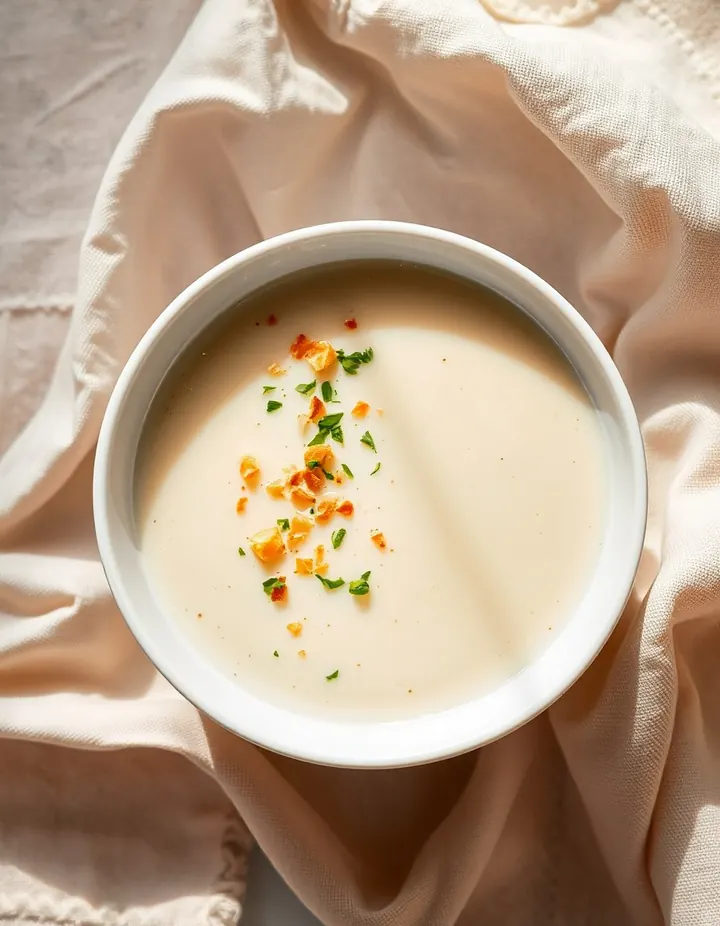 Mock Oyster Soup21 recipes
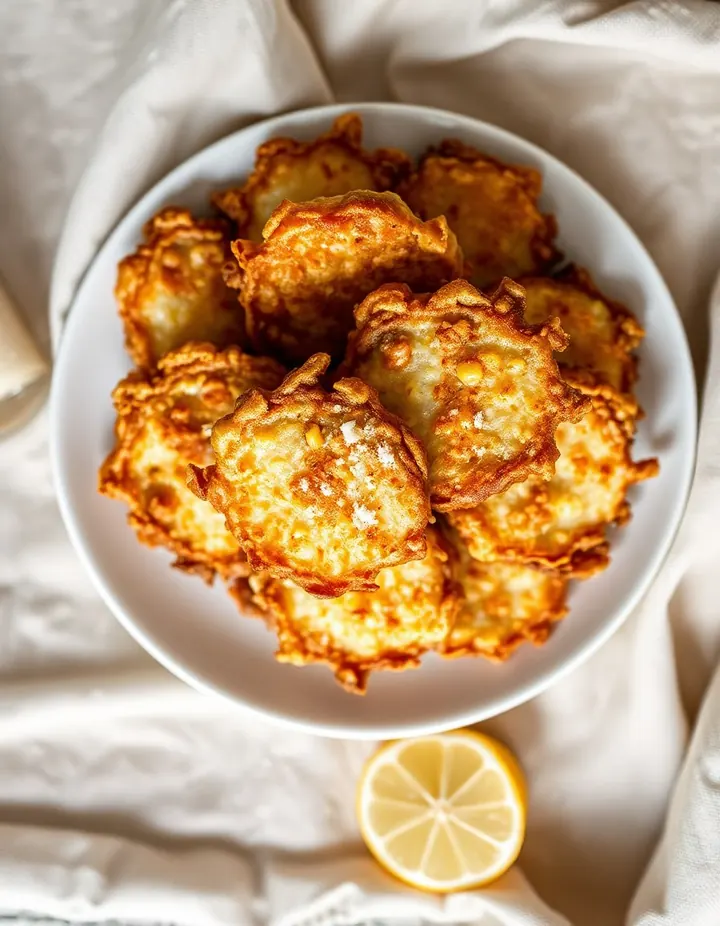 Corn Fritters6 recipes
 Tomato Soup526 recipes
The Sunday pairing: one pairing, the chemistry behind it, and how to cook it. No spam, unsubscribe anytime.
Prefer an account? Create a free account for sign-in; Pro adds the full results and chemistry.