Why it works: Lemon and sugar are a kitchen classic. They rank in the top 18% of all ingredient pairs, and cooks put them together in 53,532 recipes. Both carry 2-nonenal, which smells fatty, green. The science ↓
Lemon Marmalade
Ingredients
Directions
Prepare the fruit
Wash the lemons and pare the skin very thinly, cutting it into slender chips. Boil the chips in a small pan with 2 cups of water for 30 minutes.
Remove the white part from the lemons and roughly chop the pulp.
Cook and strain
Add the pulp to a preserving pan with the remaining water and boil for 1 hour, stirring frequently.
Strain the mixture through a jelly bag without pressure.
Combine the skins and the strained liquid in the preserving pan.
Sugar and jar
Measure the liquid and add 1 lb of sugar for each cup of liquid. Boil the mixture for 30 minutes.
Pour into jars and cover for storage.
Transcribed from a scanned cookbook and modernised for today's kitchens. Where the book gave no heat or time, or said "a moderate oven", the temperatures and times here may be modern equivalents rather than the book's own figures.
Explore the science
The flavor team
The pairs that carry this dish. Each one is judged two ways: how much their aromas overlap, and how often cooks already put them together.
-
Lemon + sugartop 18% of all pairsSmell alikelowCooked together53,532 recipes
Shared aroma: 2-nonenal (fatty, green).
Lemon and sugar barely smell alike, yet cooks put them together in 53,532 recipes: they work on texture and structure more than aroma.
Ranks compare each pair with 20,000 random ingredient pairs on CompKitchen. How we score pairs
What each ingredient does
- Lemons
- Peel and pulp supply pectin and acid, which help the marmalade set and taste bright.
- Sugar
- Sweetens the marmalade and, when boiled with the fruit, helps it gel and keep.
The step that matters
Boiling after the sugar is added. Once the sugar goes in, the boil must be steady and long enough for the pectin and sugar to reach a gel point. Undercooked marmalade stays runny, while overcooking can darken and toughen it. Stir to prevent scorching on the base of the pan.
“What each ingredient does” and “The step that matters” were written by Claude from this recipe’s own method and reviewed in samples by CompKitchen.
You might also like
 Lemon Cake228 recipes
 Lemon Ice147 recipes
 Lemon Sherbet103 recipes
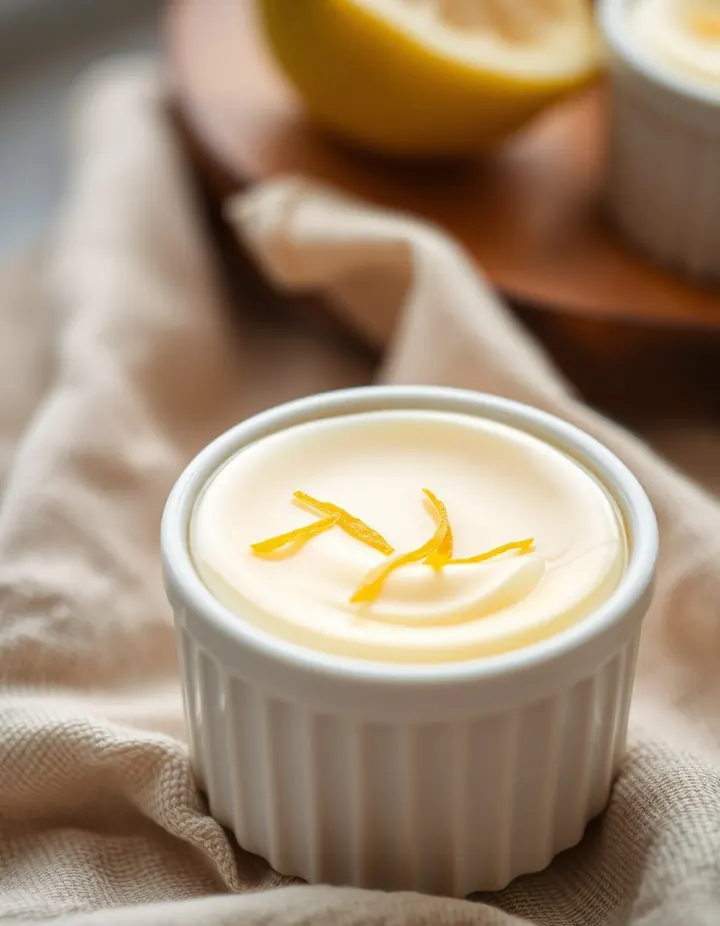 Lemon Custard64 recipes
The free Flavor Lab newsletter: one surprising pairing a week and the molecular reason it works, in 60 seconds. No spam, unsubscribe anytime.
Prefer an account? Create a free account to save pairings and unlock the full chemistry.