Why it works: Oyster and butter are a kitchen classic. They rank in the top 12% of all ingredient pairs, and cooks put them together in 8,184 recipes. Both carry 2,6-nonadienal, which smells cucumber, green. The science ↓
Buttered Eggs and Oysters
Ingredients
Directions
Prepare
Remove gills from oysters and cut each into three or four pieces.
Beat the eggs in a bowl.
Add the oysters to the beaten eggs.
Cook and serve
Melt the butter in a pot over low heat.
Pour the egg and oyster mixture into the pot.
Add seasoning and stir until creamy.
Serve the mixture heaped on squares of hot buttered toast.
Transcribed from a scanned cookbook and modernised for today's kitchens. Where the book gave no heat or time, or said "a moderate oven", the temperatures and times here may be modern equivalents rather than the book's own figures.
Explore the science
The flavor team
The pairs that carry this dish. Each one is judged two ways: how much their aromas overlap, and how often cooks already put them together.
-
Oyster + buttertop 12% of all pairsSmell alikemoderateCooked together8,184 recipes
Shared aroma: 2,6-nonadienal (cucumber, green).
-
Egg + oystertop 14% of all pairsSmell alikemoderateCooked together4,103 recipes
Shared aroma: 2-nonenal (fatty, green).
-
Egg + buttertop 17% of all pairsSmell alikemoderateCooked together118,967 recipes
Shared aroma: decanal (soap, orange peel).
Ranks compare each pair with 20,000 random ingredient pairs on CompKitchen. How we score pairs
What each ingredient does
- Eggs
- Set into a soft, creamy structure that binds the oysters together.
- Oysters
- Provide the main savory flavor and a tender, briny texture.
- Butter
- Adds richness and fat, helping the eggs stay silky and keep from sticking.
The step that matters
Stir the mixture over low heat. Eggs turn grainy and watery when cooked too fast or too hot, because the proteins tighten and squeeze out liquid. Gentle heat and steady stirring keep the curds small and creamy.
“What each ingredient does” and “The step that matters” were written by Claude from this recipe’s own method and reviewed in samples by CompKitchen.
You might also like
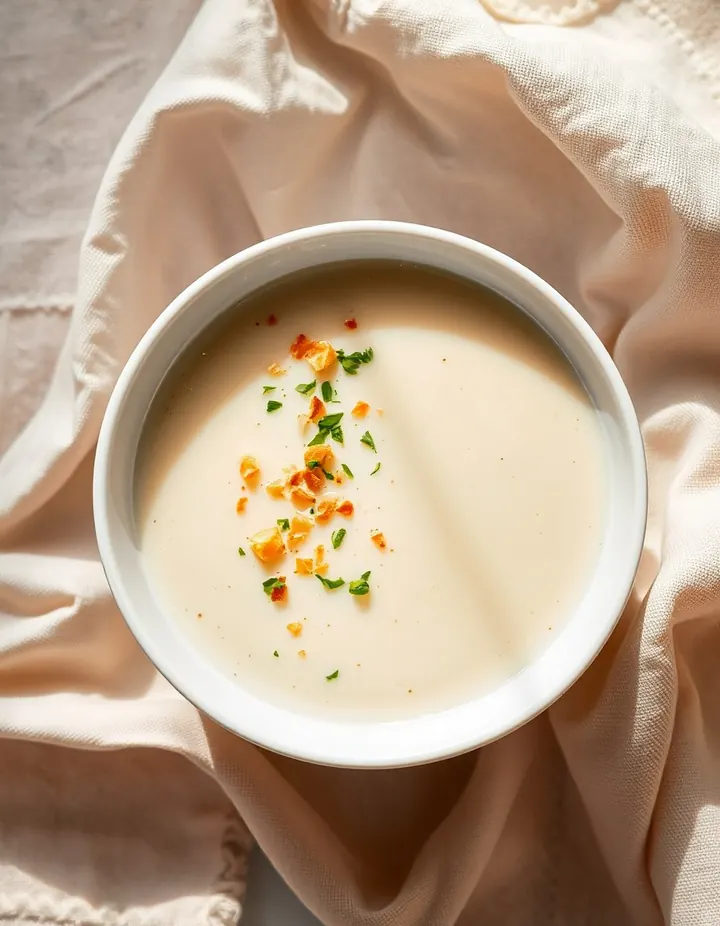 Mock Oyster Soup21 recipes
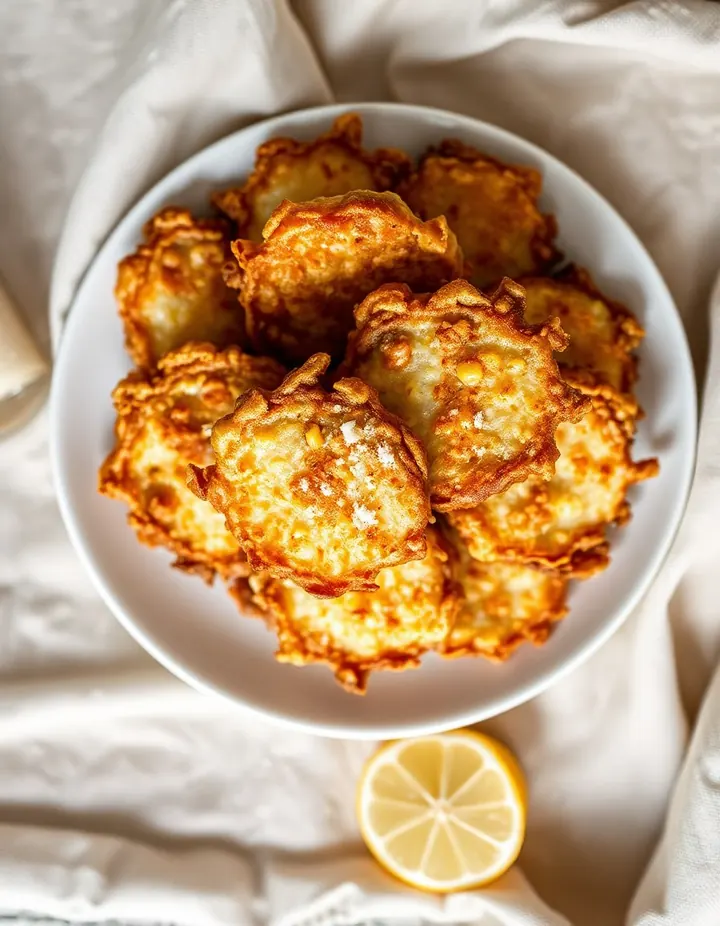 Corn Fritters6 recipes
 Tomato Soup526 recipes
 Brown Bread461 recipes
The free Flavor Lab newsletter: one surprising pairing a week and the molecular reason it works, in 60 seconds. No spam, unsubscribe anytime.
Prefer an account? Create a free account to save pairings and unlock the full chemistry.