Why it works: Apricot and sugar are a kitchen classic. They rank in the top 18% of all ingredient pairs, and cooks put them together in 3,630 recipes. Both carry 2-nonenal, which smells fatty, green. The science ↓
Dried Apricots
Ingredients
Directions
Prepare
Pare and stone the apricots and place them in a preserving pan.
Pound and sprinkle a little sugar among the apricots, then cover them with the remaining sugar.
Let them sit for 24 hours, turning them three or four times in the syrup.
Dry and store
Boil the apricots quickly until they look clear.
Once cooled, lay them on glass dishes.
Place them in a stove, turning them every half hour on the first day, every hour on the second day, and so on until perfectly dry.
Store in covered boxes for later use.
Transcribed from a scanned cookbook and modernised for today's kitchens. Where the book gave no heat or time, or said "a moderate oven", the temperatures and times here may be modern equivalents rather than the book's own figures.
Explore the science
The flavor team
The pairs that carry this dish. Each one is judged two ways: how much their aromas overlap, and how often cooks already put them together.
-
Apricot + sugartop 18% of all pairsSmell alikelowCooked together3,630 recipes
Shared aroma: 2-nonenal (fatty, green).
Ranks compare each pair with 20,000 random ingredient pairs on CompKitchen. How we score pairs
What each ingredient does
- Apricots
- Provide the fruit that dries down into a chewy, concentrated texture.
- Double-refined sugar
- Draws moisture out of the fruit and forms a syrup that preserves it and adds sweetness.
The step that matters
Boil the apricots quickly until they look clear. Brief boiling in sugar syrup softens the fruit and lets sugar penetrate, so it dries evenly. Overboiling can break the fruit down and make it tough or mushy.
“What each ingredient does” and “The step that matters” were written by Claude from this recipe’s own method and reviewed in samples by CompKitchen.
You might also like
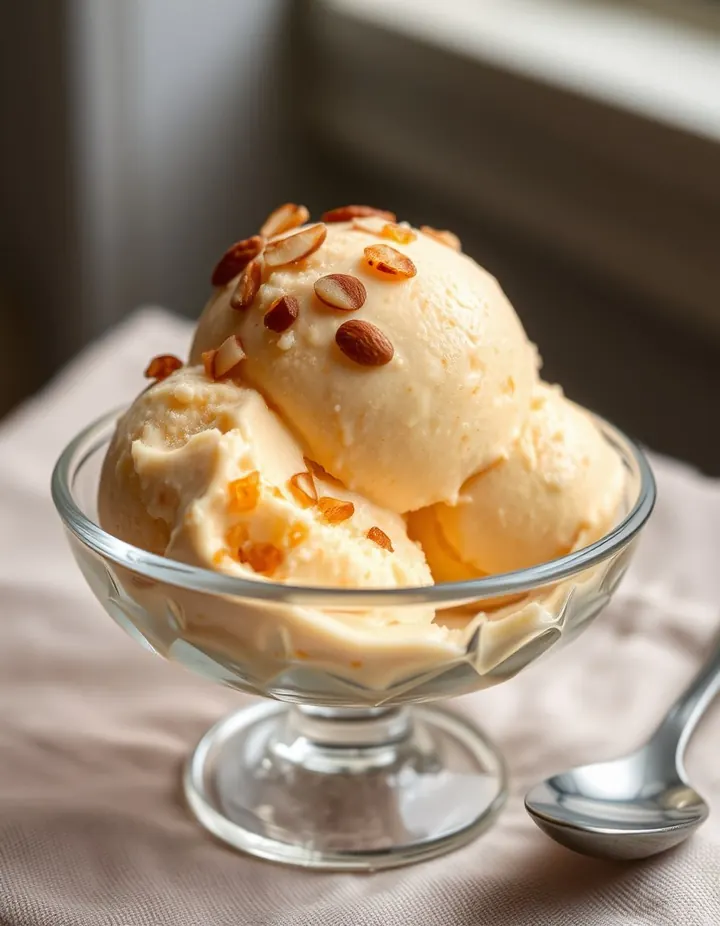 Apricot Ice Cream26 recipes
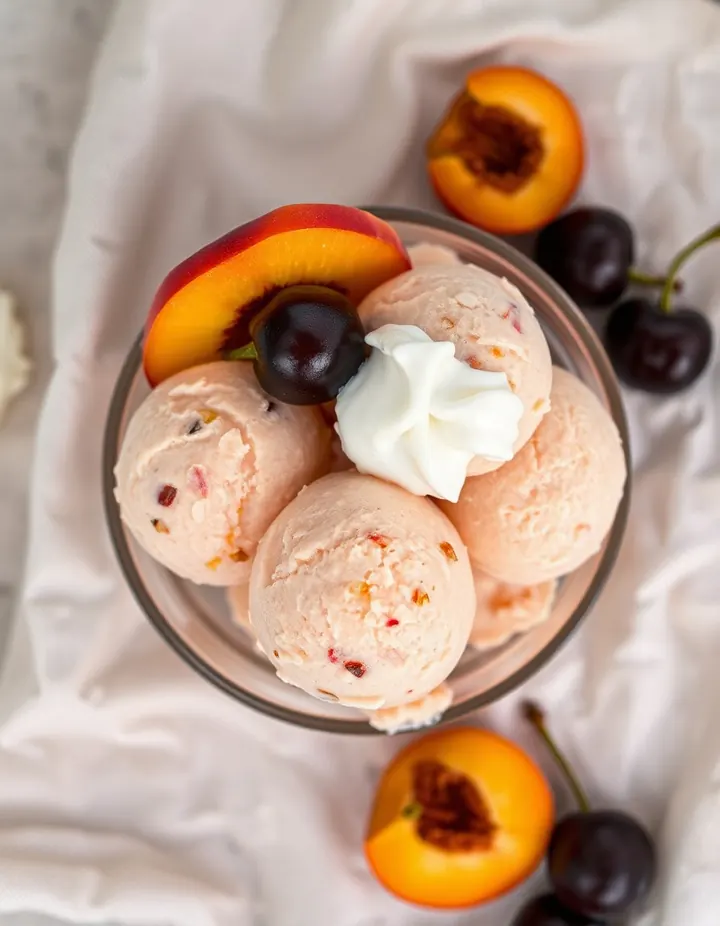 Mixed Fruit Sherbet6 recipes
 White Cake431 recipes
 Pound Cake373 recipes
The free Flavor Lab newsletter: one surprising pairing a week and the molecular reason it works, in 60 seconds. No spam, unsubscribe anytime.
Prefer an account? Create a free account to save pairings and unlock the full chemistry.